A Pile of Picture Books For Ages 3-5

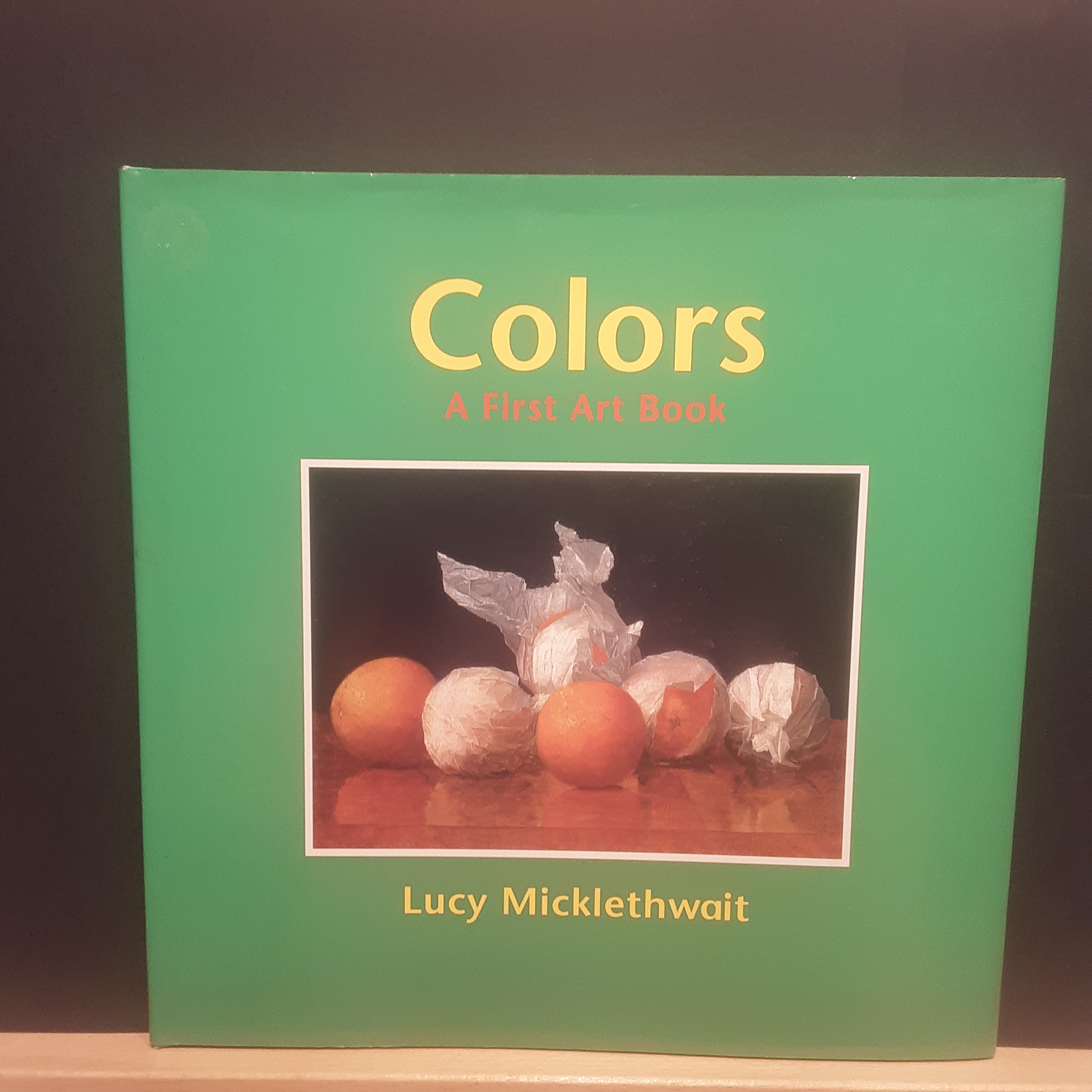
Colors: A First Art Book by Lucy Micklethwait c2005 by Frances Lincoln Limited : London

It is going to be very hot here today, and the city recommends the libraries as a good place to cool off. Can’t think of a better thing to do than bring out some picture books and settle in for the afternoon. I use age guidelines loosely, as I enjoy a good picture book and it has been a very long time indeed since I was in Mrs. Cook’s kindergarten room. The titles today will eventually be on Book List #2 as a page. Preschool picture books should be eye catching, have few or, in the case of this first title, no characters. There should be repetition, a rhythm to the story, and simple themes. Color books, ABC books, Counting Books, all are welcome, and books that the child can enjoy quietly and alone will build attention spans and prepare the way for reading. Let’s get started…..

In Lucy Micklethwait’s book children are introduced to colors through works of art. After your child has identified the colors in the paintings, a conversation could start about the painting. What is going on in the picture? Who are the people? How would that fruit taste? What sound does that owl make? What other things are yellow?
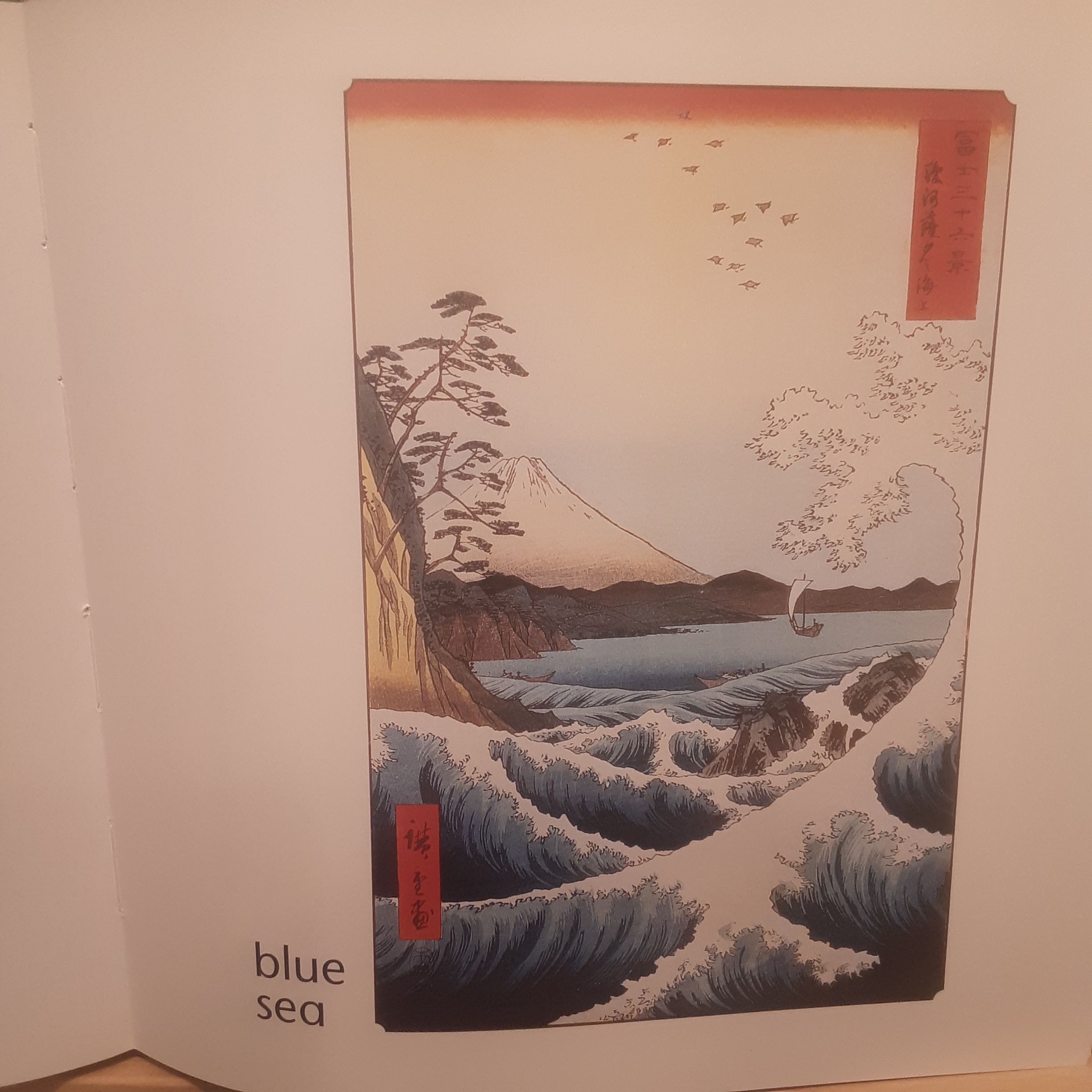
View from Satta in Suruga Province by Ando Hiroshige (1797-1858) Woodblock Print

A picture list is included at the end of the book. Lots to see here!
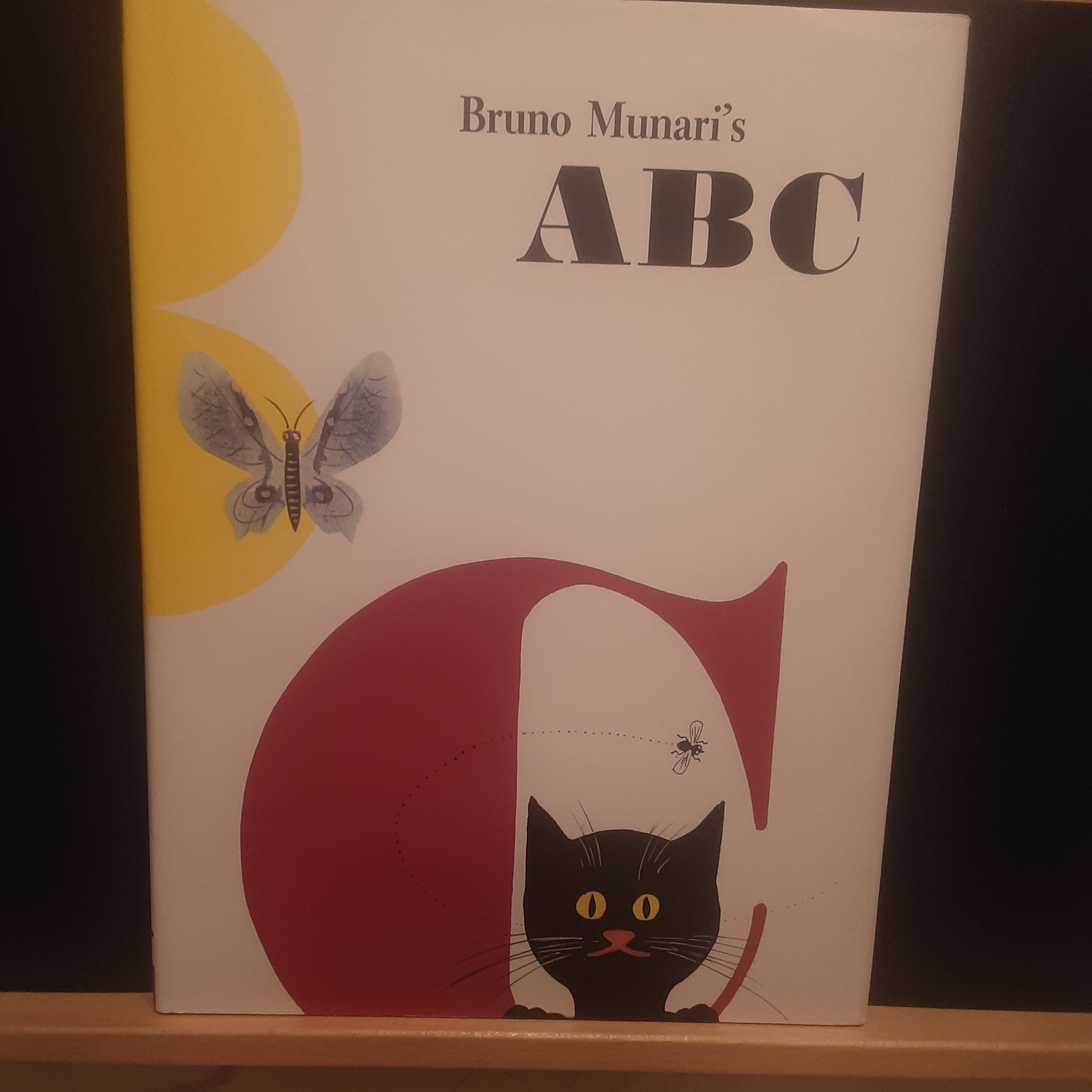
Bruno Munari’s ABC by Bruno Munari c1960 This edition published 2006 by Chronicle Books : San Francisco Bruno Munari’s Zoo by Bruno Munari c1963 This edition published 2005 by Chronicle Books : San Francisco

These two oversized picture books by Italian graphic designer Munari bring bold art and humor home to roost. In the ABC book, The page for L depicts a simple green leaf, a long leaf, and a little leaf, and a bright, large lemon. V shows us a Vertical, Violet, Violin with a tiny fly on a Voyage. The illustrations are double-page spreads with plenty of white space around the objects. In the Zoo book, birds are shown seeking shelter from the rain under a double-wide elephant. An arrow sign directing the zoo visitor to the birds points up. There are signs for the monkeys, flamingos, snakes, and ferocious animals. Readers are told that the humpy camel has a seat for them, a spiky porcupine loses himself among equally spiky grasses. Both books are a delight to peruse and will enjoy many return visits from your youngsters.
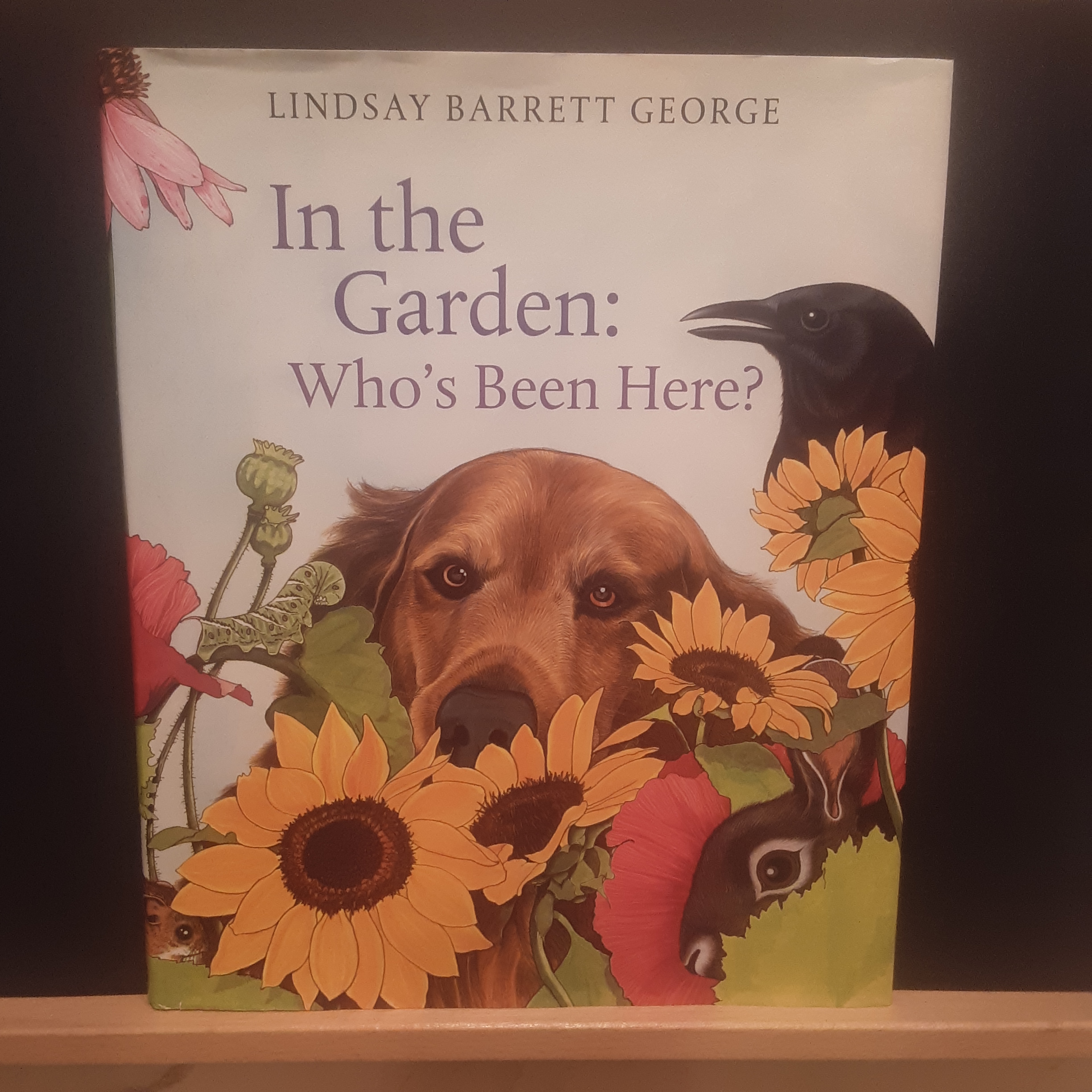
In the Garden: Who’s Been Here? by Lindsay Barret George c2006 HarperCollins Children’s Books : New York

Two children are sent to the garden by their mother to pick vegetables on a moist summer morning. A walk down the row of tomato plants reveals a nibbled leaf. Readers turn the page to find that a tomato hornworm is the culprit. A crow has been pecking kernels of corn, and a woodchuck has found the carrots. This large format book is a colorful introduction to the garden and its critters. An information page at the back gives a few facts about each animal or insect mentioned in the text. Read this before a visit to your local farmers market.

Blueberries for Sal by Robert McCloskey c1948 The Viking Press : New York

The blueberries are ripening as we speak, and youngsters are looking forward to hearing the kuplink, kuplank, kuplunk of the berries landing in their tin pails. You know this classic summer story about Sal and Little Bear who both love blueberries. July is the time to share this book with somebody, perhaps with some blueberry pie or muffins on the side.
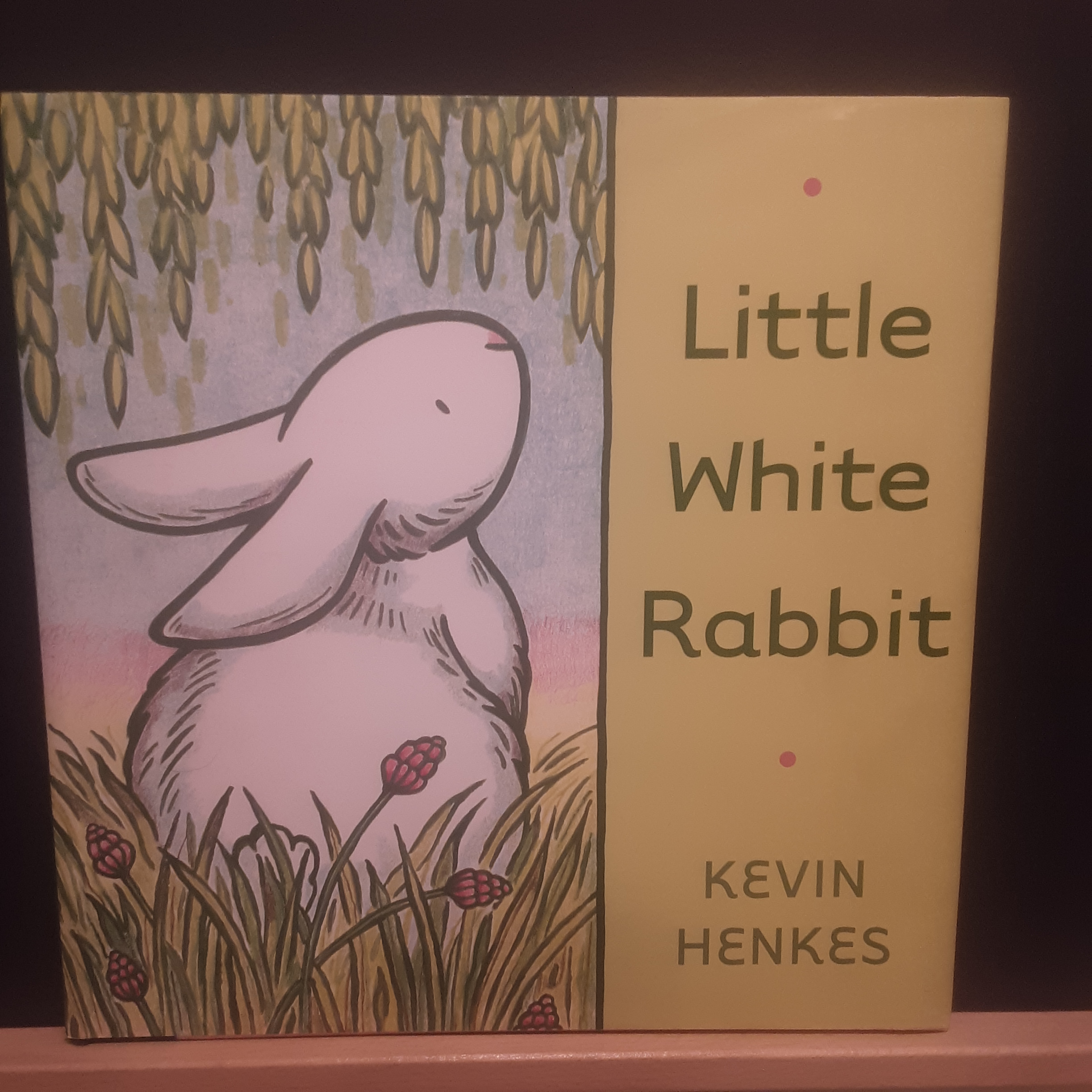
Little White Rabbit by Kevin Henkes c2011 HarperCollins : New York

As little white rabbit hopped along he wondered what it would be like to be green like the grass, or tall like a fir tree. He wondered what it would be like to be still like a rock, unable to move. This very short and simple story is perfect for the youngest listener, and joins many other titles by Kevin Henkes who understands story time very well. If you visit his website at kevinhenkes.com you can hear him read aloud to children.
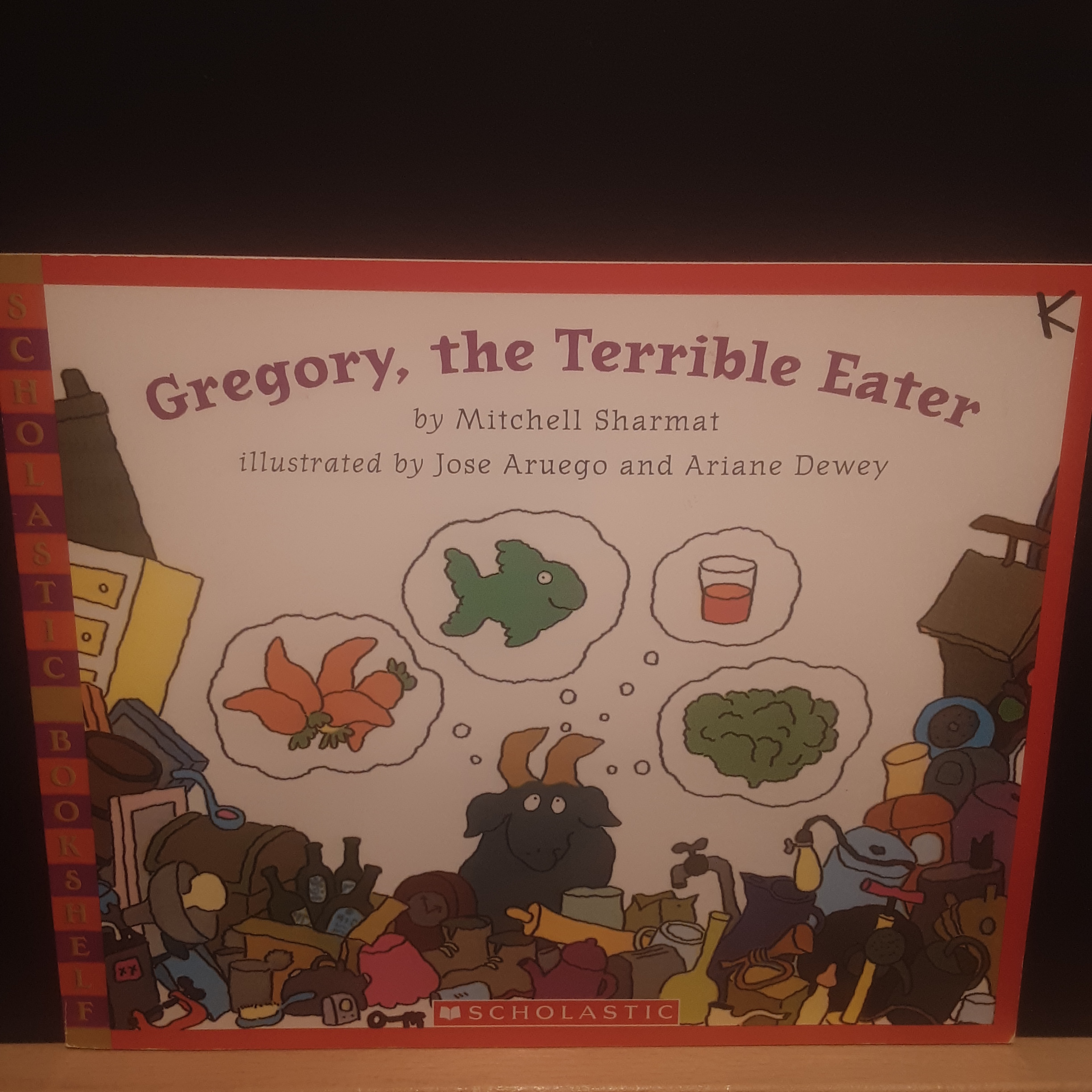
Gregory, the Terrible Eater by Mitchell Sharmat Illustrated by Jose Aruego and Ariane Dewey. c1980 Scholastic Inc.: New York

Gregory the goat’s parents think he is a fussy eater. Here are the author’s words:

“I’m not fussy,” said Gregory.”I just want fruits, vegetables. eggs, fish, bread, and butter. Good stuff like that.”

Mother Goat stopped eating the shoe. “Now what kind of food is that, Gregory?” she said.

“It’s what I like,” said Gregory.

“It’s revolting,” said Father Goat. He wiped his mouth with his napkin.

Can a bit of reverse psychology help cure a picky eater at your house? My kindergarten students loved hearing about Gregory learning to try new things, like scrambled eggs with a side of waxed paper.
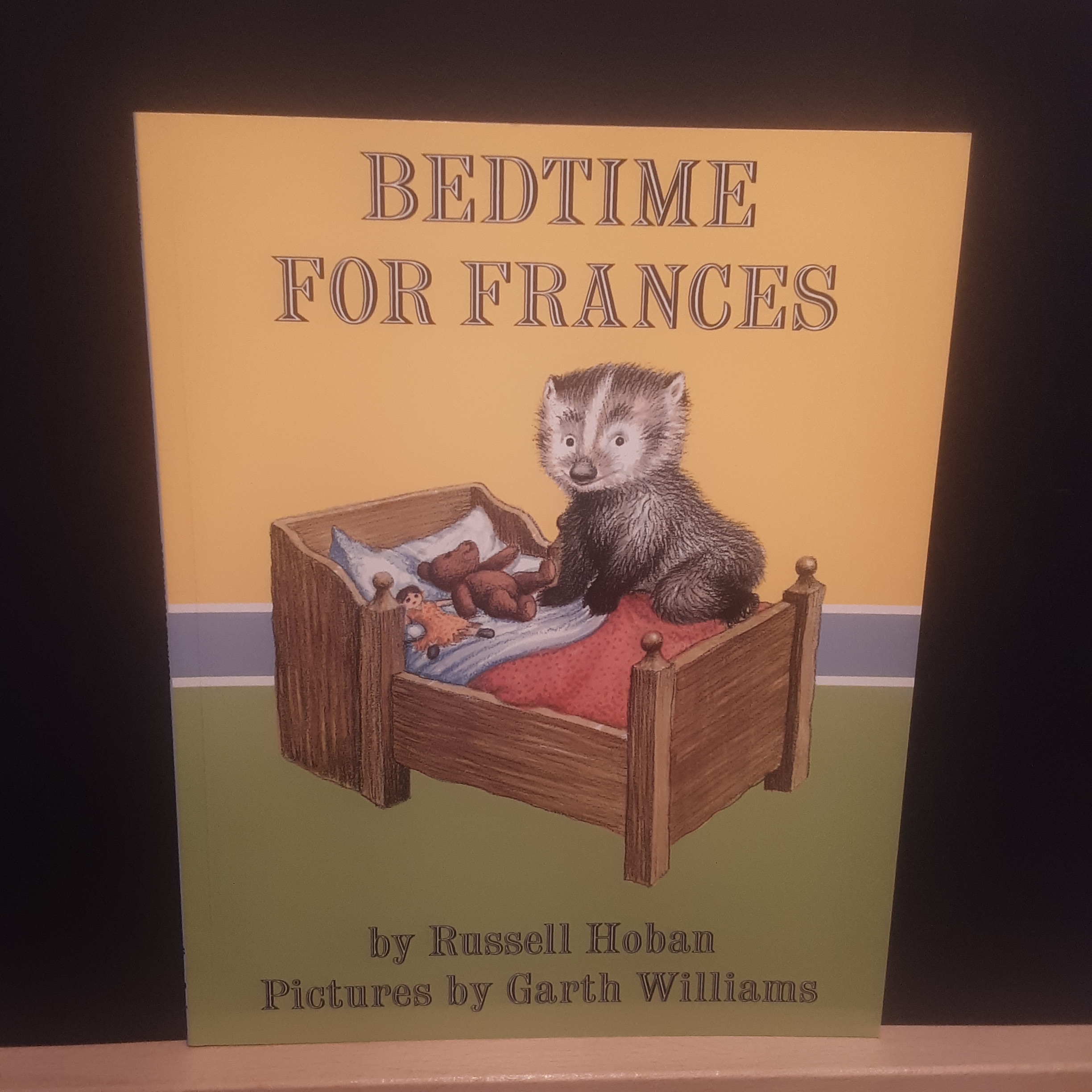
Bedtime for Frances by Russell Hoban with illustrations by Garth Williams c1960 HarperCollins : New York

What delaying tactics are employed when bedtime arrives at your house? Frances the badger knows them all. Longer summer days and warm weather are not conducive to snuggling down and getting to sleep. This bedtime classic will help with any fears of the dark for your not-sleepy-yets.
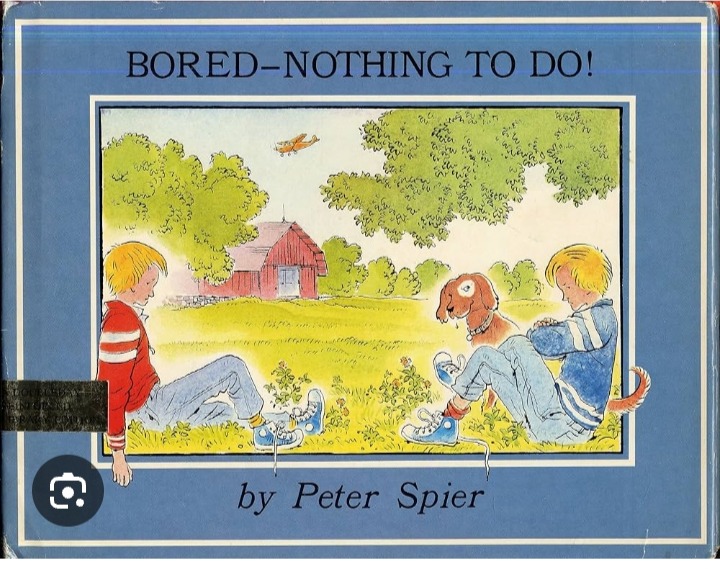
Bored Offspring? Try These Cures from Tony Fucile and Peter Spier

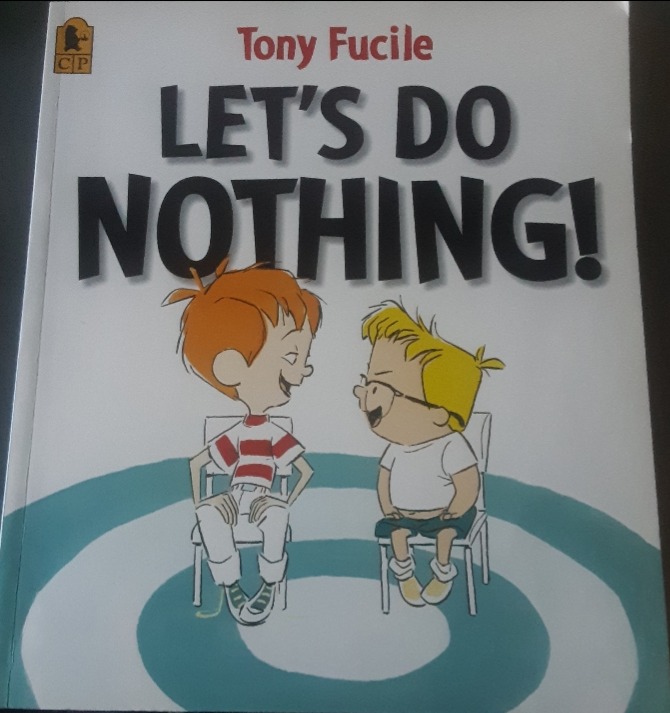
Let’s Do Nothing by Tony Fucile c2009 Candlewick Press

Friends Frankie and Sal have done it all. They have played all their board games and baked loads of cookies. They have played every sport and read all their comic books. What on earth is left to do? Maybe it is time to try doing absolutely NOTHING…

Turns out doing nothing can be quite a challenge, as the boys discover. In our house, we played a game called, “Quaker’s Meeting” which required you to sit perfectly still, no smiling or laughing or fun allowed. A judge would be appointed, who would glare at the contestants or make faces until somebody cracked. Somebody always cracked, of course, and great fun was had. What happens when Frankie and Sal attempt to sit quietly is illustrated with hilarious pictures that will have your audience laughing aloud.

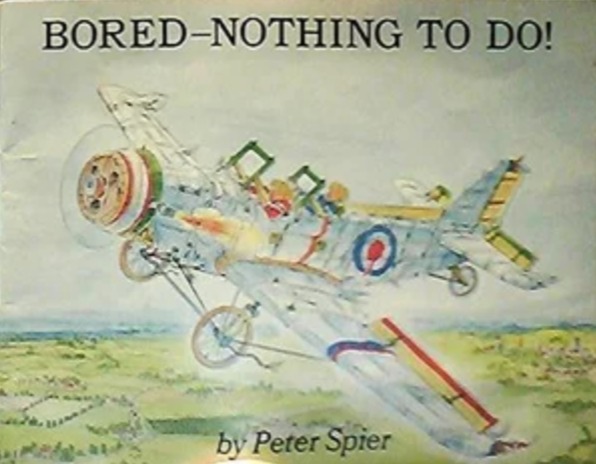
Bored-Nothing To Do by Peter Spier c1978 by Doubleday

This book may be hard to find, if you see a used copy, snatch it up, because it is a treasure There are videos online of people reading it aloud, so there is free access to the story for your family available if your local library can’t find you a copy.

In the country, if one was bored during the summer vacation, your folks would tell you to go outside and stay out! There were trees to climb, maybe a brook to play in, forts to be built and defended, and plenty to do with a little imagination. Peter Spier tells the story of some bored but very imaginative children/ engineers who find a plane propeller in the barn and build themselves a flying machine. Readers will enjoy seeing all the found objects used in construction of a home made airplane. Better hide any propellers on your property.

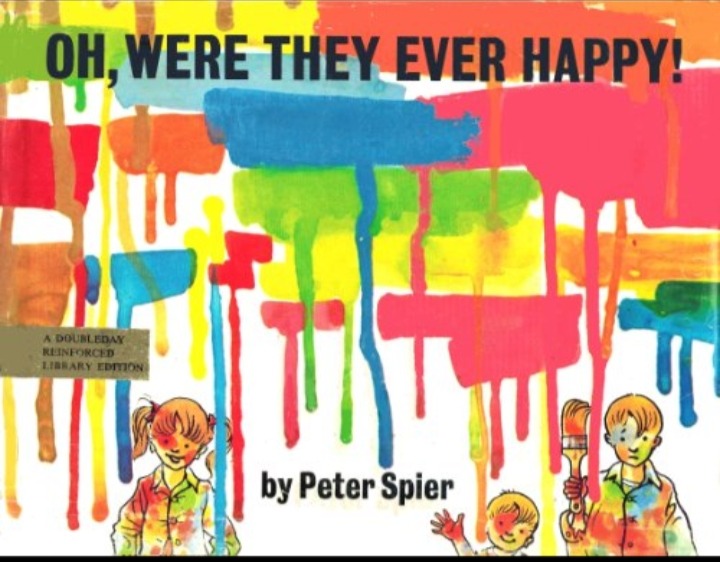
Oh, Were They Ever Happy, by Peter Spier c1988 by Doubleday

Children left alone at home for a few hours on a slow Saturday afternoon just might decide to do some helpful chores….like painting the house. How will the neighbors, and most importantly, the parents, react when they behold the colorful new house on the block? My 6 to 9-year-old listeners enjoyed seeing this project progress in each more wildly painted page.

Life on the Island…Northern Style

Here are five books where the story takes place on a Northern island. There are no tropical breezes, only cool, blustery Atlantic weather and shorter days. It is time to think about summer reading, and these titles will help to while away quiet afternoons or evenings when the lawns are mowed, dishes are washed, and a book is just the thing. As every good fiction reader knows, characters that land on an island must be about to have an adventure, with or without pirates….

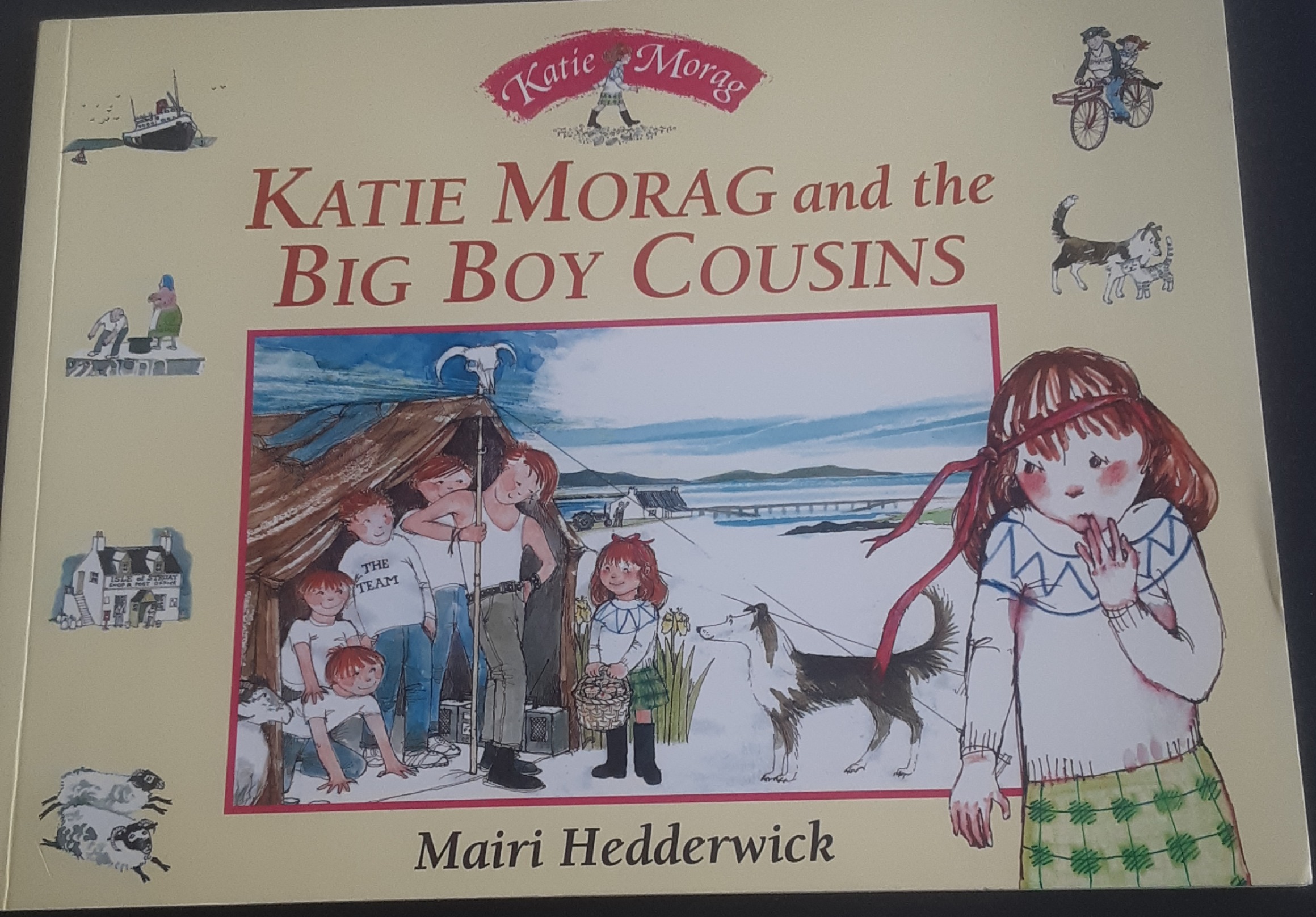
Katie Morag and the Big Boy Cousins by Mairi Hedderick c 1987 Random House Children’s Books : London This edition printed by Red Fox Books in 1999.

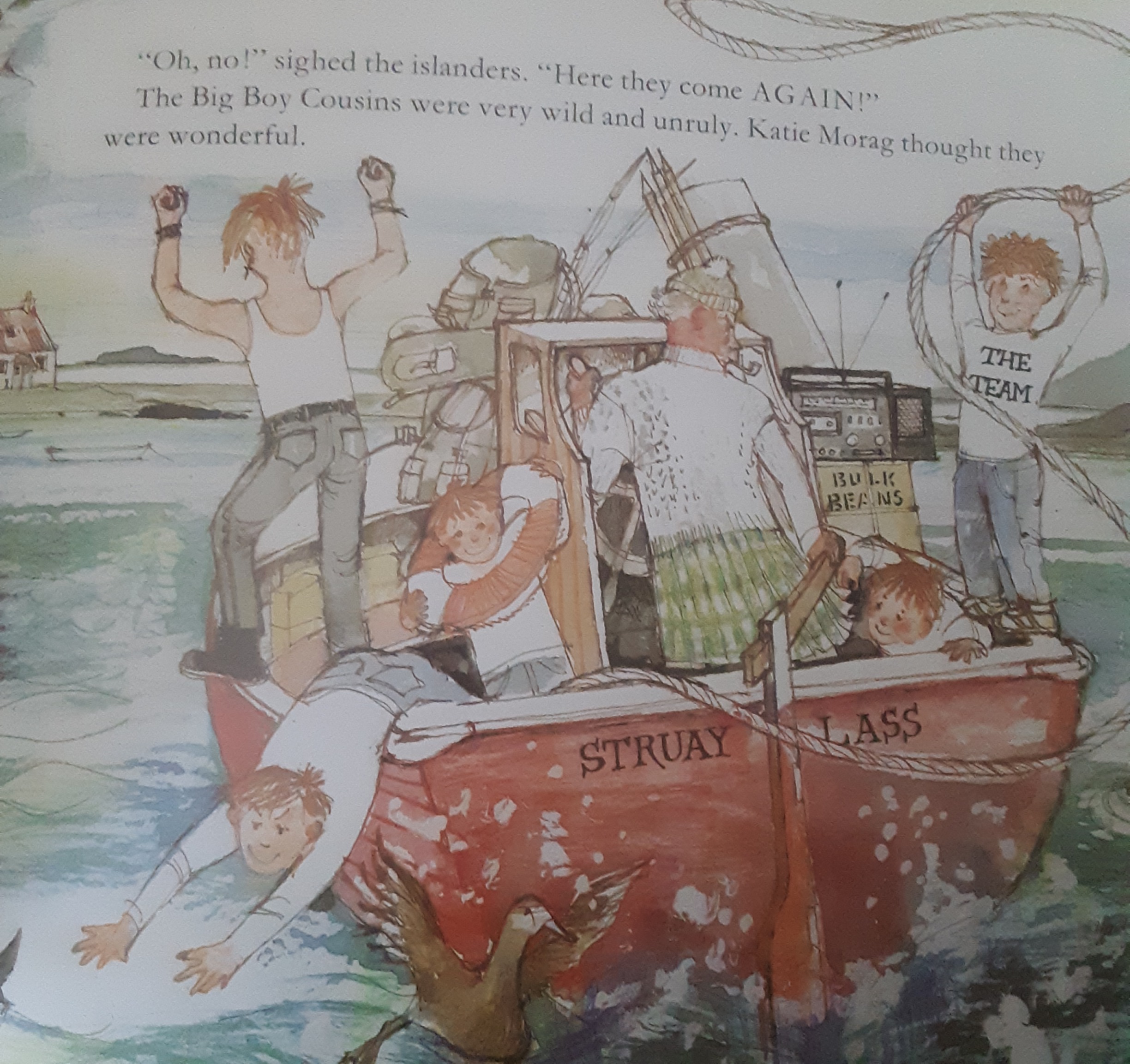
Katie Morag’s grandmother, who is known on the Isle of Struay, Scotland as Grannie Island, has invited a batch of Katie’s boy cousins for a visit. The cousins are full of mischievous pranks and out-of-bounds behavior that make the other islanders dread their annual appearance. Katie, however, is looking forward to some fun. How will Grannie Island handle this wild bunch?

Mairi Hedderwick paints the skies, sandy beaches, and small villages of an island in the Inner Hebrides for young readers. The Isle of Struay is based on the actual Isle of Coll. There are more adventures with Katie Morag to be had for readers ages 5-9.

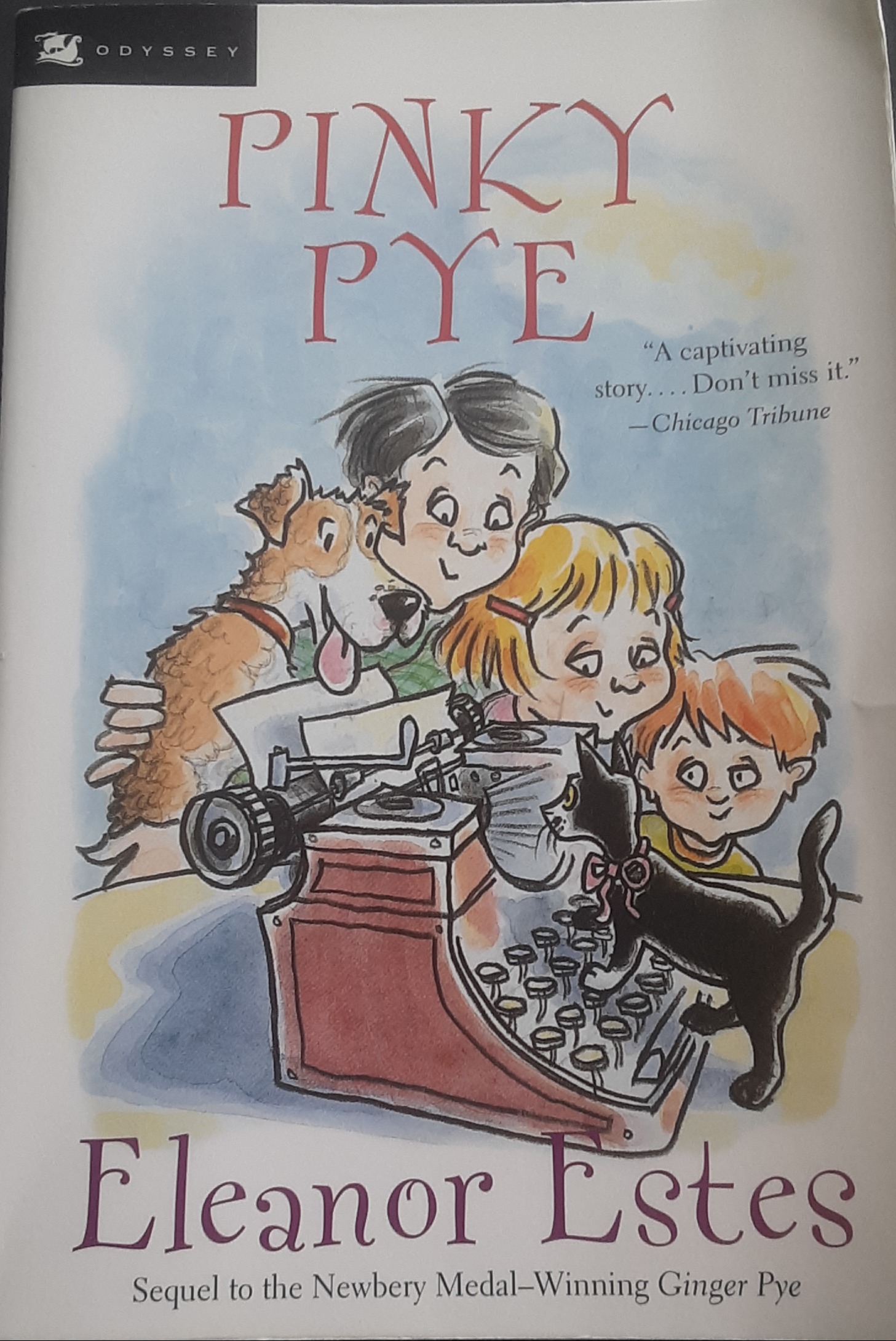
Pinky Pye by Eleanor Estes c1958 This edition Odyssey Classics by Harcourt printed in 2000 with original illustrations by Edward Ardizzone

The Pye family, including their famous dog Ginger and smart cat Gracie are headed off to Fire Island for the summer. Father Pye, a renowned ornithologist, has been asked by Washington to investigate the very unusual sighting of a puffin by a reliable bird watcher on Fire Island. The bird watcher agrees to rent a cottage to the Pyes for a reasonable price, so Mr. and Mrs. Pye, Jerry age ten, Rachel age nine, their small Uncle Bennie age three, their pets, and piles of luggage are soon waiting for the ferry that will take them to the island.

Soon after their arrival the Pyes add a kitten named Pinky, for her raspberry pink tongue, to the family. Pinky is the only cat ever known to possess the ability to type. Her messages are some of the best parts of the book.

The authors words: As typed by Pinky… ” The String Bean Game”

  • a. This important game HAS to be played with someone.
  • b. Go to the icebox , sit in front of it, say “Woe,” and Pye, or whoever you own will come. Pye will understand what you want, for you will have the eager string bean game expression on your face.
  • c. Now, crouch and wiggle This means you are ready for the throw.
  • d. Now. He throws Bean. Tear after it as though you have been shot out of a cannon. People are always surprised to see how fast you can get going without having to gather speed. Never let speed be ungathered. Race after Bean, bring it back and lay it at Pye’s feet. He throws Bean again. Race after it again. and if it has gone around a corner, knock recklessly into a wall as you make the speedy turn. Pick it up and trot back with it……….”Hurray!” the people will exclaim noisily. “She retrieves like a dog!” What nonsense! Dogs retrieve like dogs—huff, huff, pant. Cats retrieve like cats and bring variety to the game.

There is a mystery to be solved among other island events. Gracie the cat wants very much to gain entrance to the eaves to investigate. Everything that is good in a middle-grade book exists in this summer story. Give it a try.

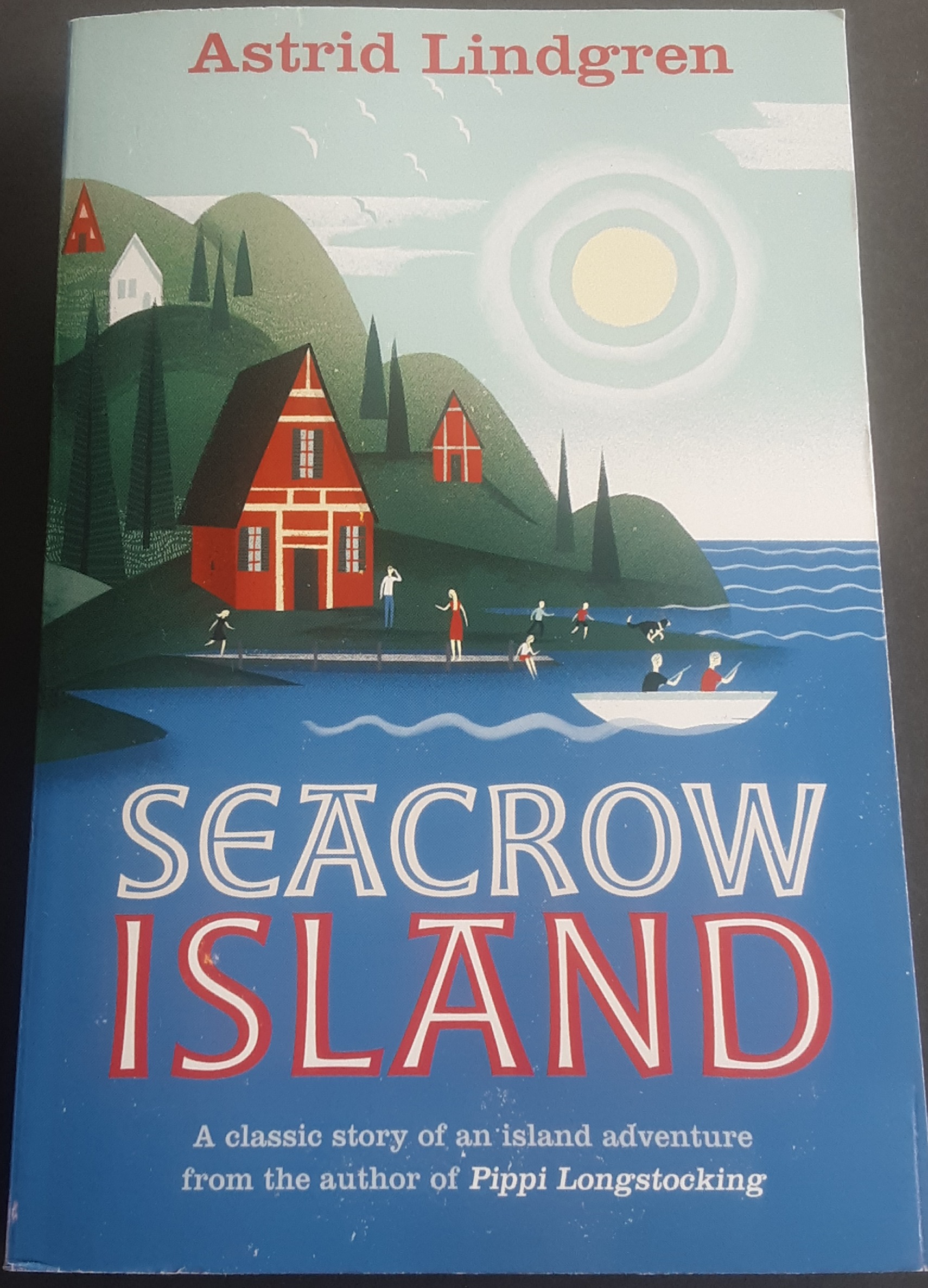
Seacrow Island by Astrid Lindgren. c1964. This edition published 2016 by Oxford University Press

The author’s words:

“If you go down to the quay in Stockholm on a summer morning and see a little white boat called Seacrow I lying there, that is the right boat to take and all you have to do is to go on board…….She crosses wide expanses of open water and steams through narrow channels, past hundreds of green islands and thousands of grey, bare rocks. She does not go fast and the sun is low when at last she reaches the quay at Seacrow Island. She has no need to go any further, for there is only the open sea beyond with its bare rocks and its islands where nobody lives except eider ducks, gulls and other sea birds.”

The Melkerson family is on their way to summer at a place they have never been before. Melker, the father, has rented a cottage sight unseen because he liked the name Seacrow Island. His family consists of Malin, his nineteen-year-old daughter and three sons, Johan, Niklas, and Pelle. Pelle is the youngest and he is seven. Will the unknown Carpenter’s Cottage turn out to be cozy? What is there to do on such a remote and quiet island? The Melkerson’s adventures are about to begin as they learn about sailing, fishing and the wildlife all around them. Ever since their mother died, the brothers hope that the young men who fall in love with Malin every quarter hour will not marry her and take her away. She is the support and heart of the family. New friends and interesting characters are always to be found in a story by Astrid Lindgren. This book has been a favorite in Sweden for generations of readers.

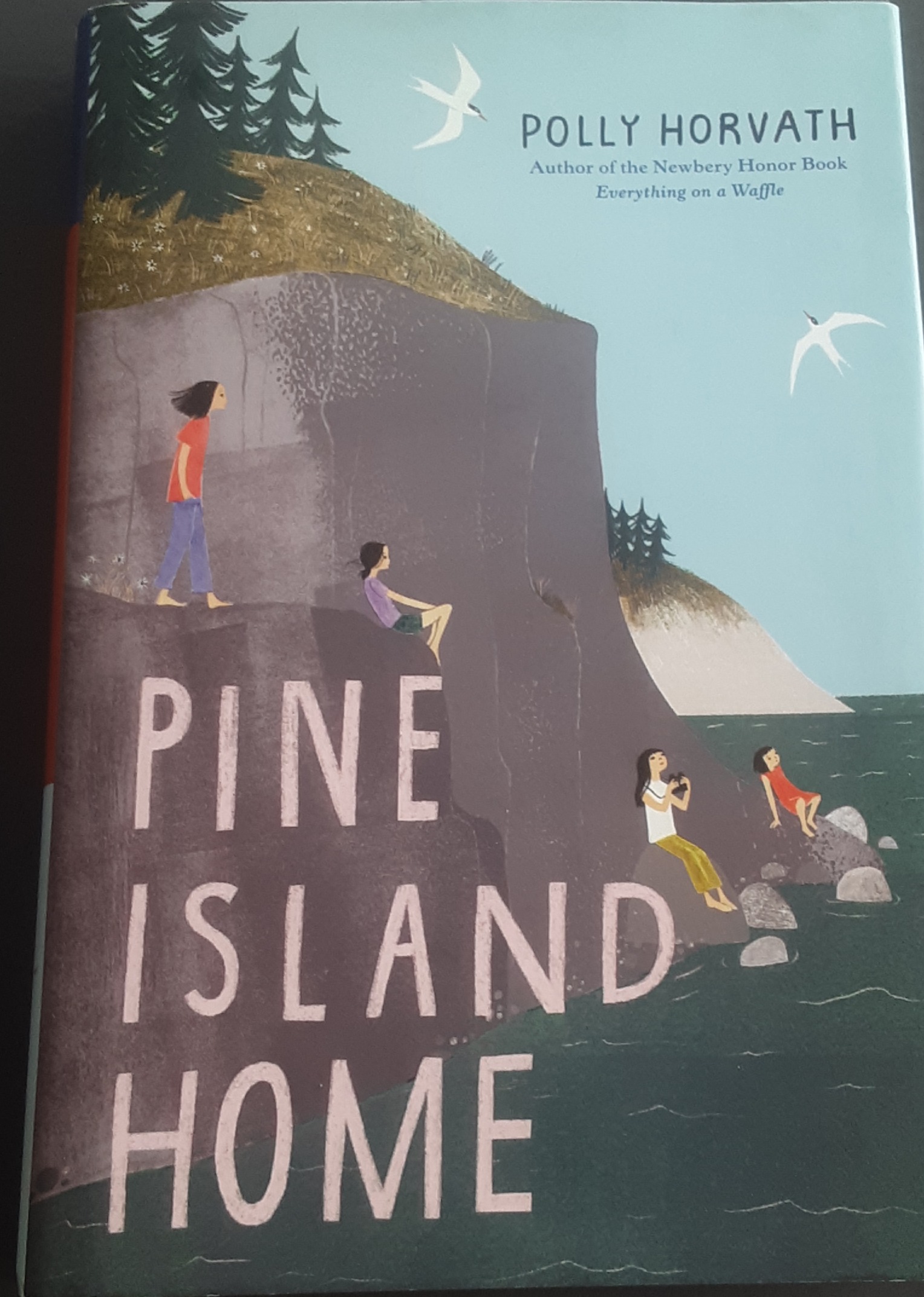
Pine Island Home by Polly Horvath. c2020 Holiday House

The adults in the lives of the McCready sisters have selfishly and thoughtlessly allowed themselves to be carried off by tsunamis and heart attacks, leaving the girls orphaned and alone. Fiona fourteen, Marlin, twelve, Natasha, ten, and Charlie, eight, have been raised in a missionary family and have learned to adjust to living in all sorts of places, but now they face new challenges at their Aunt Martha’s farm on an island in British Columbia, Canada. Fortunately Aunt Martha left them the farm, money, and a kitchen fully stocked with food, and even enrolled them in the local schools. The sisters are determined to hide the absence of a responsible adult from Social Services because they fear being separated. After all they have been through, that would be unendurable.

The McCready girls are a match for difficulties that would defeat less talented and intelligent children. Fiona makes a deal with cranky neighbor Al Farber to pose as their guardian in exchange for hot homecooked meals prepared by Marlin who is quickly becoming a proficient cook. The story of how the girls learn to cope is the main theme of this story, the island location is secondary. Helpful adults do turn up, and the strong bond between the sisters is reassuring. Tune in to the sequel, “Pine Island Visitors” for more Polly Horvath magic.

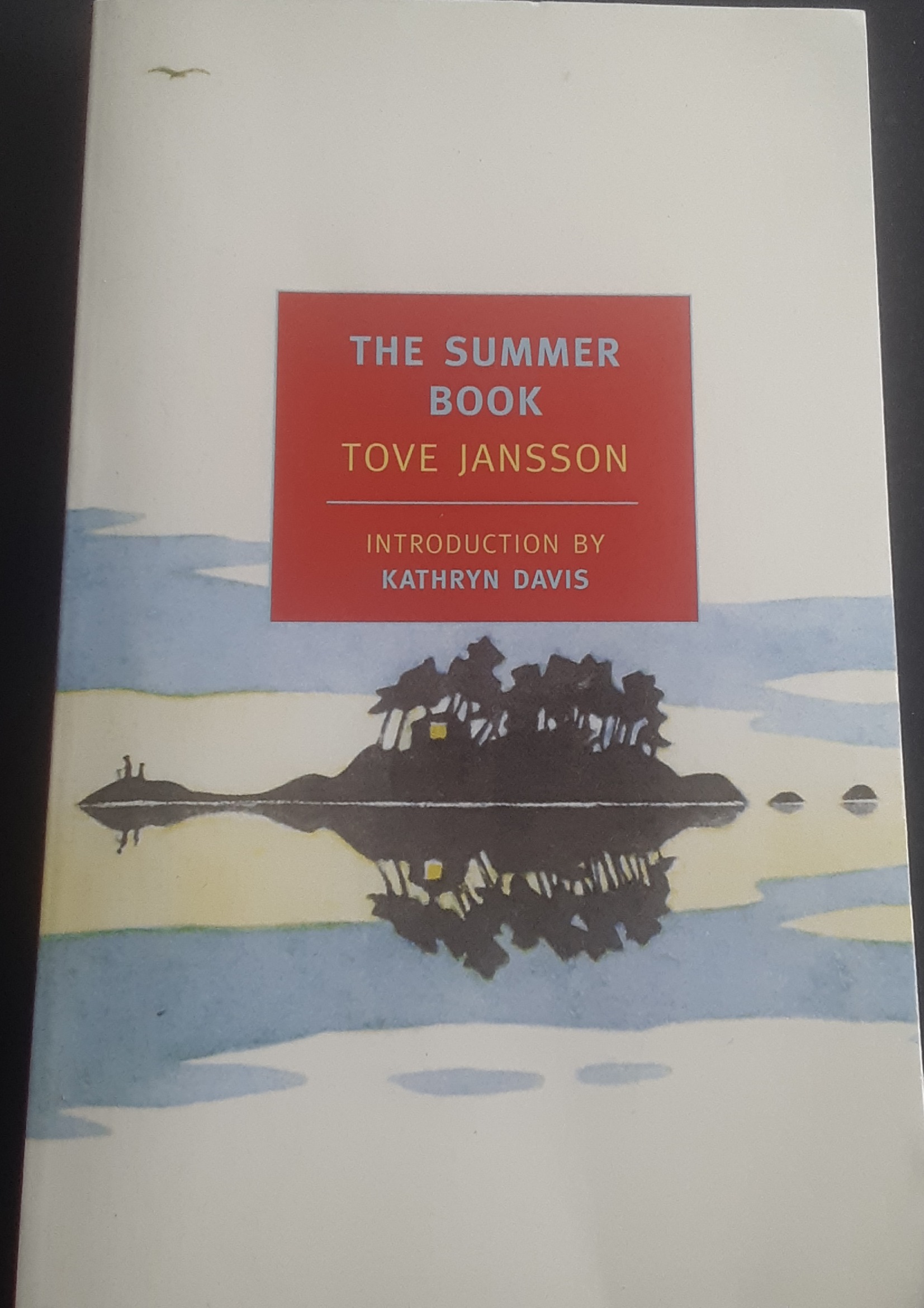
The Summer Book by Tove Jansson c1972 This edition published by The New York Review of Books in 2008.

This one is for the grown-ups. The setting is a tiny island in the Gulf of Finland. Six-year old Sophia, her father and grandmother are sharing a small cottage for the summer. There is no plot to follow, just the passage of a season on the island. Each chapter is a slice of life episode with weather, nature, an occasional visitor, and conversations between the child and her grandmother as the main events. Sound too quiet? Here are the authors words about a tremendous storm that broke as the family were fishing away from their own island:

“Papa broke the padlock on the door with a big stone. He did it to save his family. ……………….The walls of the house trembled steadily with the thundering of the sea, and it began to get cold. Spume from the breakers covered the windowpanes and ran over the sill and across the floor. Every now and then Papa would get up and go out to see to the boat.

The seas breaking against the sheer outer side of the island had grown. One after another, the waves rose up in their white immensity to a tremendous height, and foam hissed against the rocks like the blows of a whip. Tall curtains of water flew across the island and sailed on west. The storm was titanic!”

Islanders do not always welcome those who build large new houses that mar the view. Here are the author’s words when Sophia and Grandmother get caught checking out the new neighbor’s island and are invited in:

“Don’t look so cross,” Grandmother whispered. “This is socializing and you have to learn how to do it.” Malander came back with bottles and glasses and put them on the table. “Cognac, he said. “And whiskey. But I’m sure you’d rather have a lemonade. “I’m very fond of cognac,” Grandmother said. “A small glass and no water, thank you. Sophia? What would you like?”

“The other!” Sophia hissed in her ear. “Sophia would prefer a lemonade.” Grandmother said, and thought: We’ve got to teach her some manners. We’ve made a mistake. She has to spend more time with people she doesn’t like, before it’s too late.”

Sophia and her Grandmother talk about life, death, heaven, hell, and what happens when an angleworm gets cut in half. They build a miniature Venice, trade a cat that kills birds for a boring, soft lap cat, and have arguments. You are given the flavors, scenery, and essence of a Northern Island to dwell in and remember after this slim book ends. I recommend a second reading, maybe more.