Leaving Home, Going Home, and Flying Away.

Three Adventures from the overloaded shelves…

Leaving Home
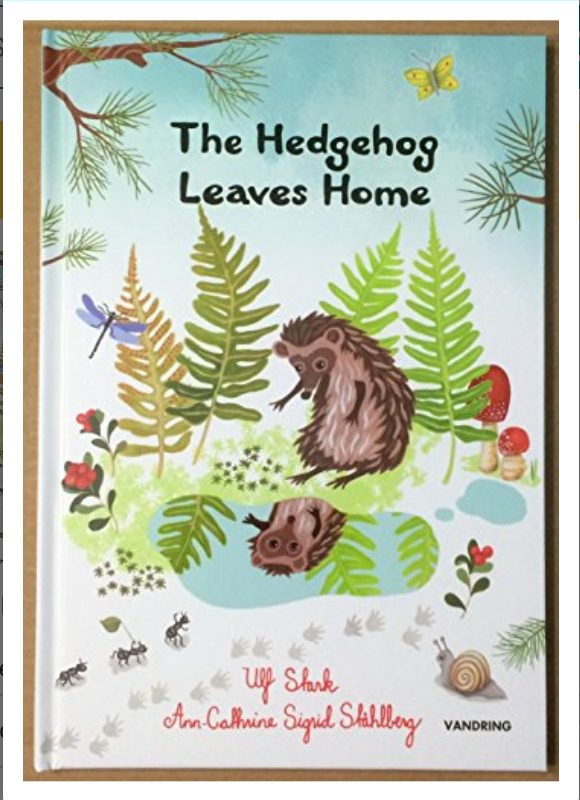
The Hedgehog Leaves Home by Ulf Stark Illustrated by Ann-Cathrine Sigrid Stahlberg c 2011 by IKEA Family / Vandring

It is always a bit embarrassing to discover an author new to you who has written 30 or more books, but it is also good news if you find you like what they write. Ulf Stark is new to me this year. I think his voice is uniquely down-to-earth and engaging. Listen to his words as he starts off Hedgehog’s story:

“All of a sudden, fall arrived. The leaves on the trees turned yellow and red. Mushrooms pushed up and out of the ground. And it grew colder day by day.

“You are big enough to make your own way in the world now,” said the hedgehog’s mommy, giving him a kiss. “Just watch out for all the dangers in the big wide world.”

“I will,” said the hedgehog.

“And learn as much as you can.”

“I will,” said the hedgehog. And off he set into the forest to find a place to sleep for the winter.”

The story is simply launched, and young hedgehog begins to learn useful things along the way to growing up. He learns that rolling down a hill is fun. He learns which foods are safe to eat and to his taste, and that swimming is not for him. He learns to watch out for foxes, but that there are friends out there who will help you. This is a gentle and encouraging story for any young growing-up people in your household.

Going Home
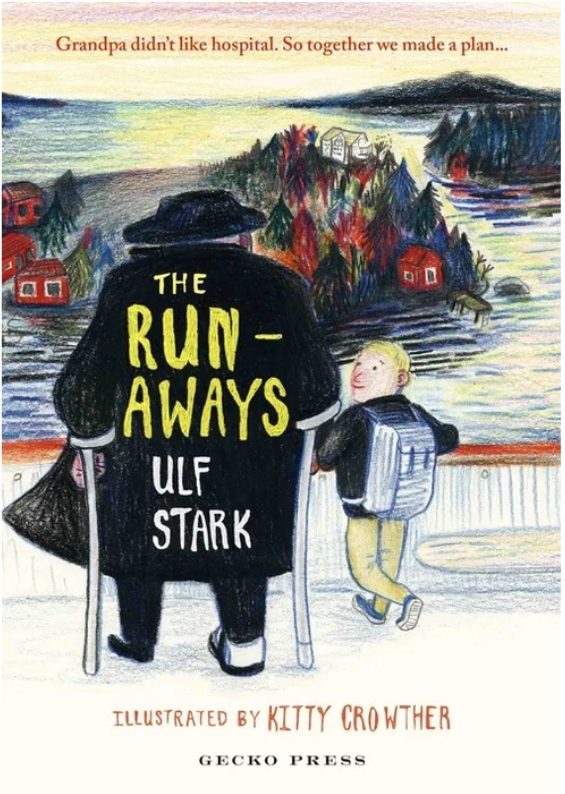
The Runaways by Ulf Stark Illustrated by Kitty Crowther c2018 Gecko Press : Wellington, New Zealand

Gottfried Senior is in the hospital and he is not pleased in the least. He is difficult, spits out the pills to make him calm, and yells at the nurses. The author’s words:

“I’m shut in here like an animal!” he shouted. “What do you think I am? An ape?”

His face turned bright red and he swore, so Dad and I had to cover our ears. Dad thought I didn’t need any more swear words than the ones I already knew. I disagreed.”

All that Grandpa senior wants is to make one last trip to the house where he shared so many happy years with his wife. His grandson, Gottfried Junior, is the only one willing to help Grandpa get his wish.. He hatches an elaborate plan, which includes deceiving his parents into thinking he is attending football practice and finding an accomplice to supply an adult voice and pose as a football coach. Young Gottfried does ask the question, “Was it wrong to lie when it made everyone happy?”

This is not a story to encourage children to run away from home and use unacceptable language. The Runaways is about having grandparents who might be difficult and some reasons why, without TOO many specific details. Running away or lying to your family are usually not the best choices, since the author warns, “You have to think of everything!” This is an honest and gently humorous book that helps with understanding and being ready when it is time to say farewell to a beloved grandparent.

Flying Away

The Land of Green Ginger by Noel Langley Illustrations by Edward Ardizzone c1975 This edition published by David R. Godine : Boston c2007.
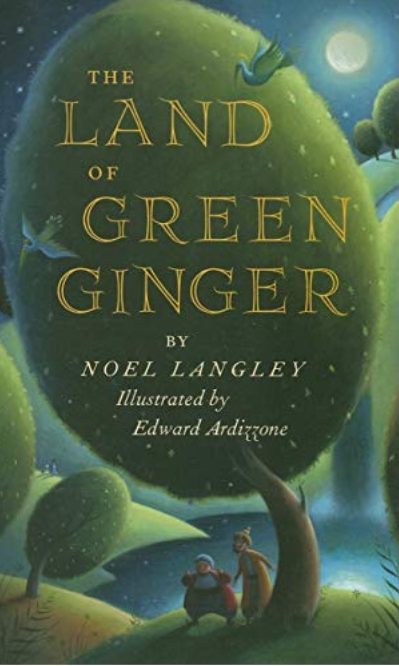
The Land of Green Ginger is a magical floating island, “sprinkled with ginger trees laden down with branch upon branch of sparkling sugar-coated green ginger; and big bright beauteous flowers grew out of the soft velvety grass, and water-lilies floated on a cheerful little hubblebubbling stream. It was all charmingly rural. No bits of paper, no empty bottles, no initials carved on the tree trunks. You cannot imagine such natural wonders, gentle reader; you must simply take my word for it.”

Abu Ali, The son and heir of Aladdin, the Emperor of China, could talk as a day-old baby and upset the Queen Mother, who thought she heard herself referred to as a Button-Nosed-Tortoise. “I understand you called the Queen Mother a Button-Nosed-Tortoise?” inquired the Emperor.

“That’s not quite true,” replied the Son and Heir politely, “I only said she had a Face Like One.”

Abu Ali does turn out to be a well-mannered young man destined to search for the Land of Green Ginger, reverse the spell on a magician who accidentally turned himself into a button-nosed-tortoise, and rescue the beautiful Silver Bud from an unhappy marriage. Of course the Genie of the Lamp appears in the story, along with a flying carpet and various helpful and a few crafty characters with bad intentions. Noel Langley’s sparkling comedic retelling makes this a wonderful story to read aloud. Mr. Langley co-wrote the screen play for The Wizard of Oz movie we all know and love. This book is really, really funny and you can hear the same tone and dialogue that helped make the movie a classic.

I have a copy of Langley’s Desbarollda the Waltzing Mouse, also illustrated by Edward Ardizzone. The writing is exquisitely witty. Edward Ardizzone seems to have done the pictures in so many beloved books. His drawings are sprinkled throughout The Land of Green Ginger and add much to the enjoyment. For anyone over age nine!
There WILL be Dragons : A Small Selection

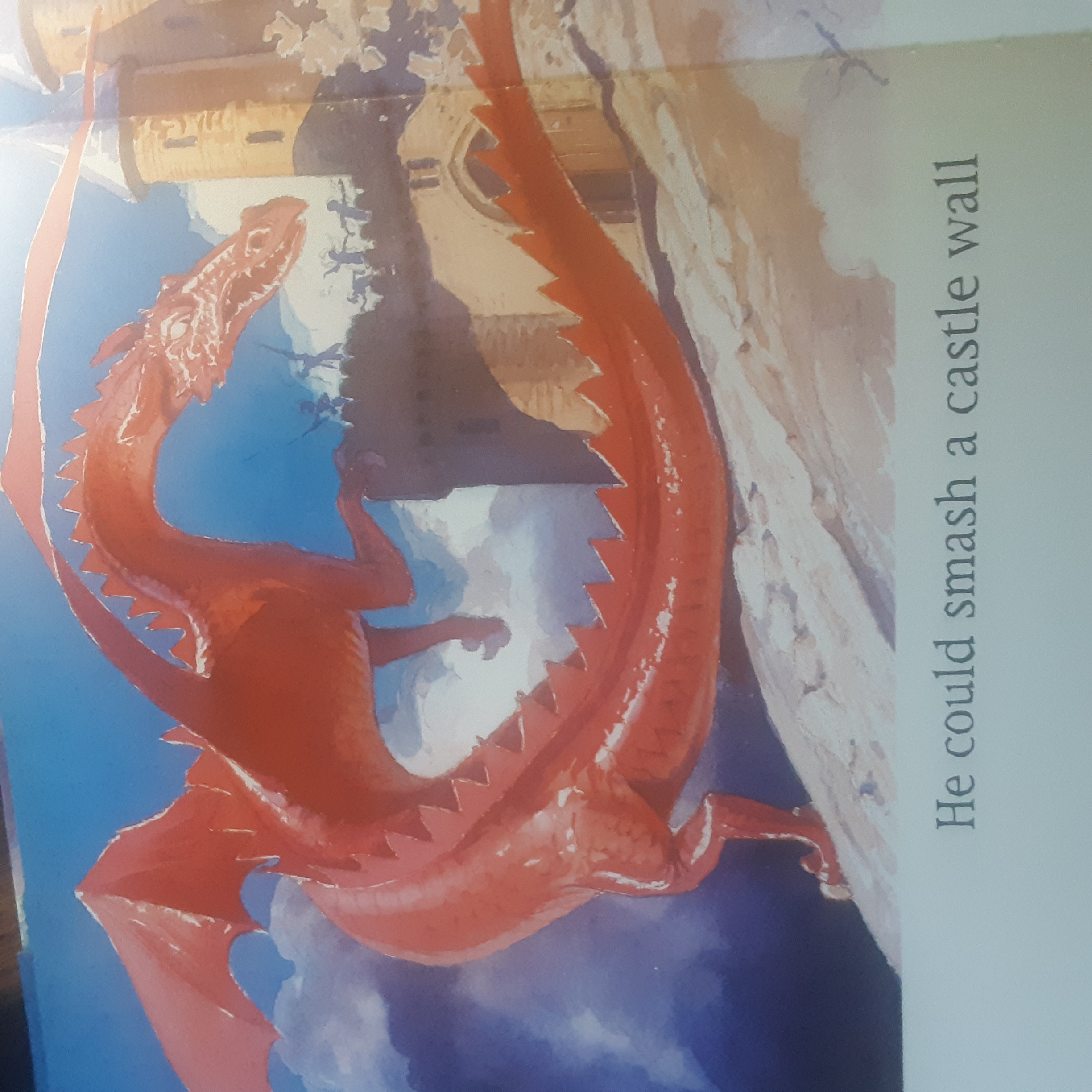
At this moment in time, somebody, somewhere is probably writing a new story featuring a dragon. Dragons are out there, bumping into unicorns, hassling princesses, and causing havoc all over the place. Here are some old and newish stories about this popular and appealingly dangerous creature. Some have been known to be friendly….

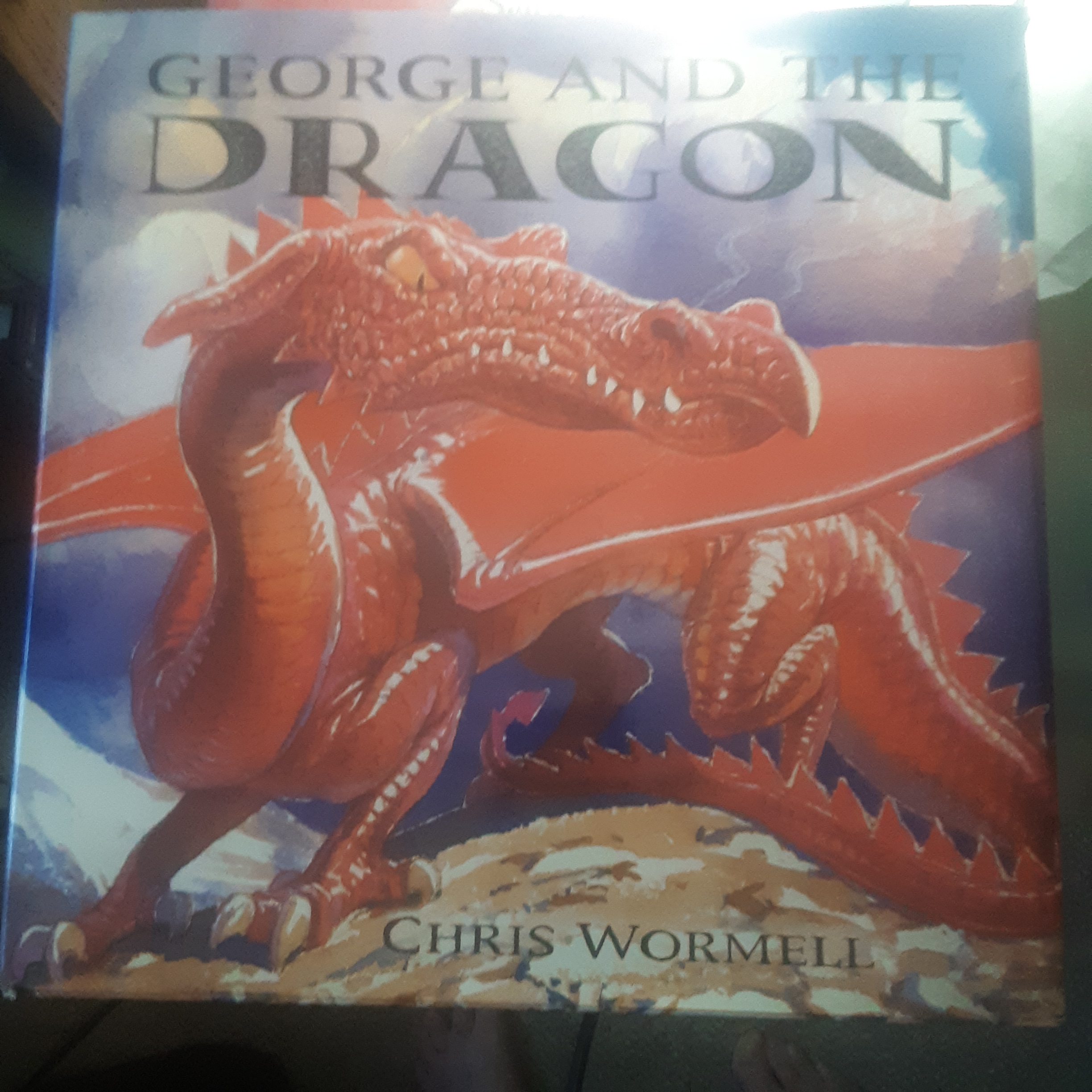
George and the Dragon Written and illustrated by Chris Wormell c2002 Alfred A. Knopf / Random House : New York

George, a mouse, has just moved in to a new neighborhood. He has simple needs, a restoring cup of tea being one of them. Alas, he has yet to shop and supply himself with sugar. A request to the fearsome dragon next door sets off a surprising chain of events. This boldly illustrated picture book is completely satisfying for ages 4 and up.

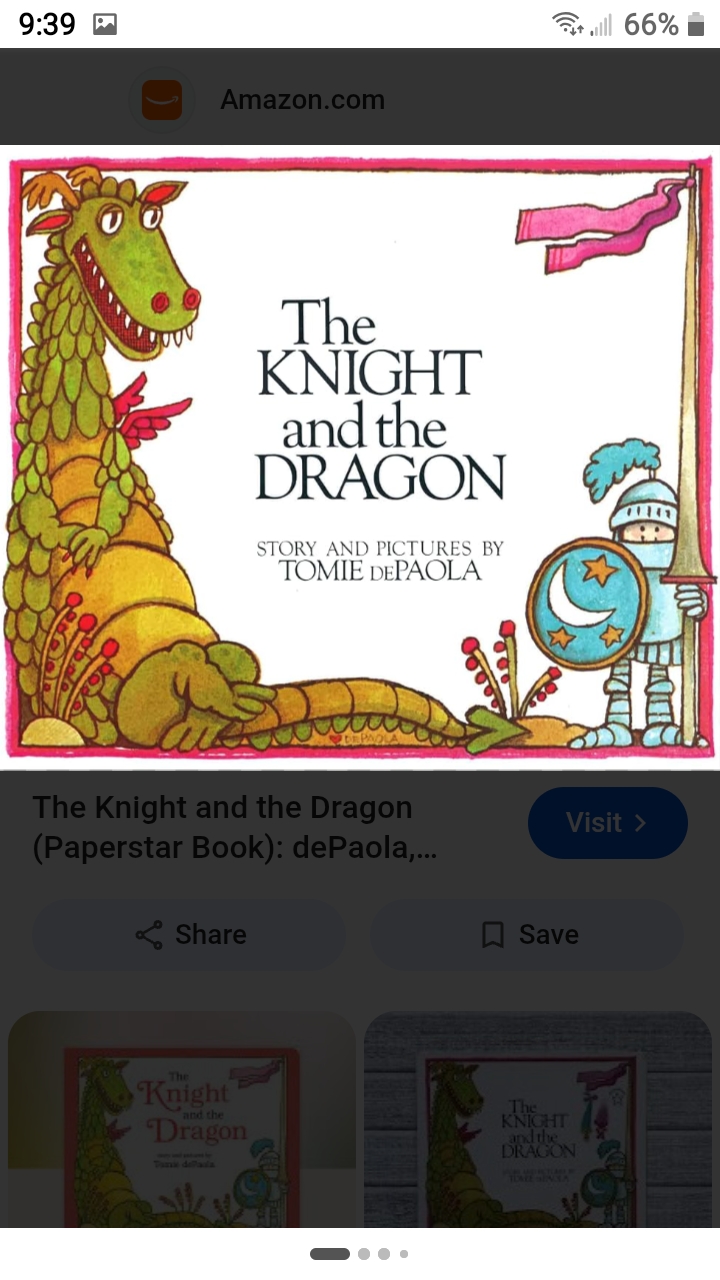
The Knight and the Dragon Written and illustrated by Tomie dePaola c 1980 G.P. Putnam and Sons Books for Young Readers : New York

A knight and a dragon have never met each other in combat. Perhaps a visit to the library will provide some useful guidance. This book is just right for listeners ages 3-6. I always enjoy a plug for library usage skillfully incorporated into a story. Nicely done here, Mr. dePaola.

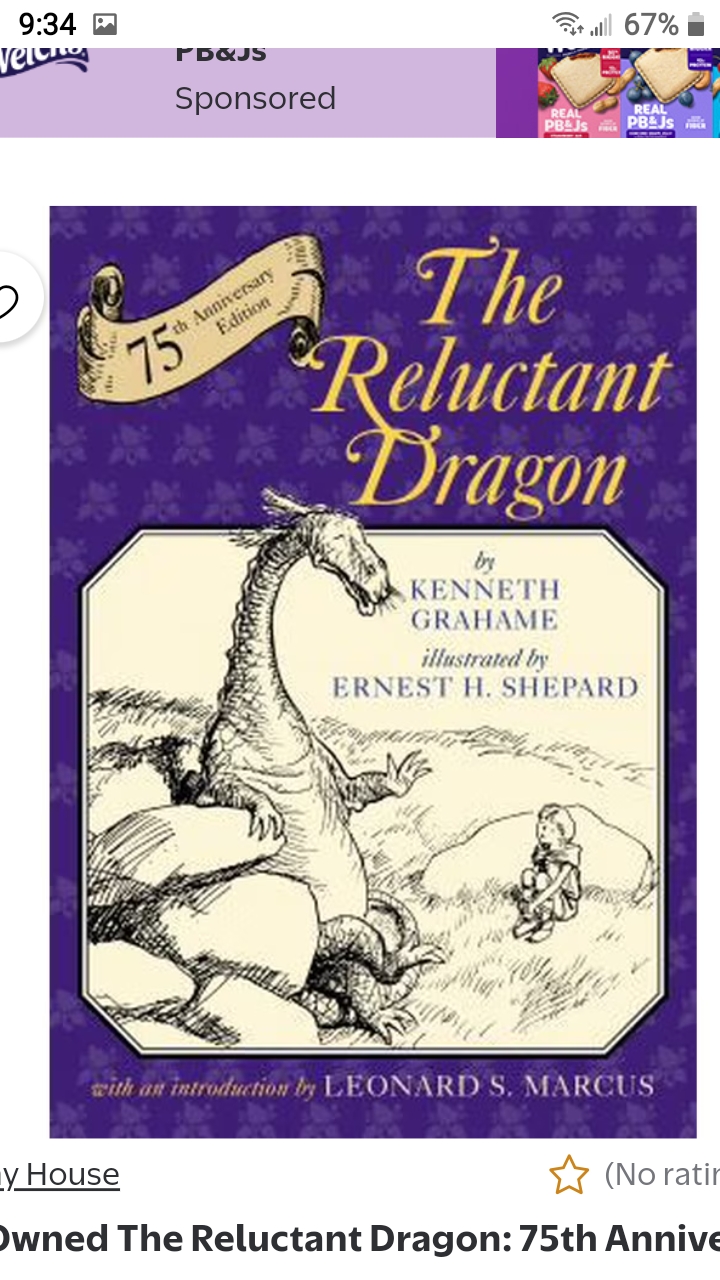
The Reluctant Dragon by Kenneth Grahame Originally published short story included in Grahame’s Dream Days story collection. c1898 In this edition the story stands alone. c1938 by Holiday House Illustrated by Ernest H. Shepard

This could be one of the first stories about a peace loving dragon. Mr. Grahame’s dragon prefers a desultory chat and poetry recitation with the “Boy” who befriends him to battling St. George, but the townsfolk will not be satisfied until they witness a good old-fashioned fight. E.H. Shepard’s illustrations are delightful, as always. What do you expect from the man who brought us the map of the Hundred Acre Wood and pictures of Toad, Ratty, Mole, Badger and friends?

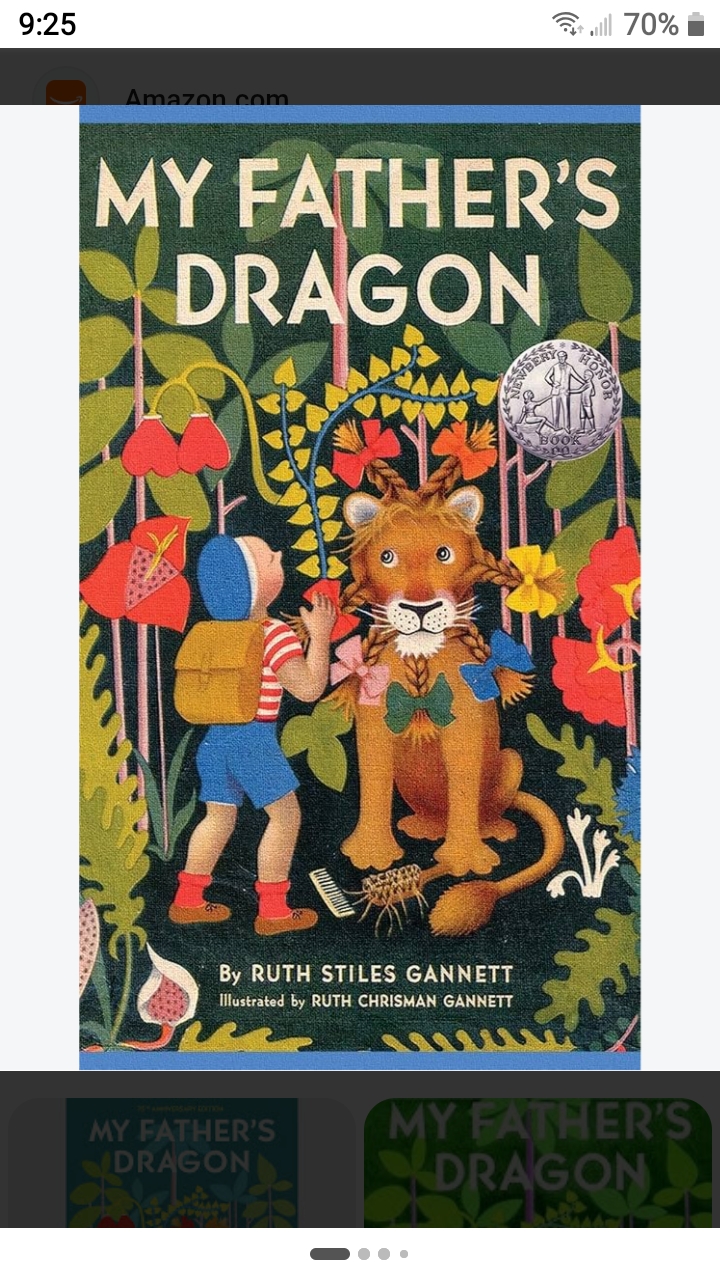
My Father’s Dragon by Ruth Stiles Gannet c1948 Random House : New York Illustrated by Ruth Chrisman Gannett

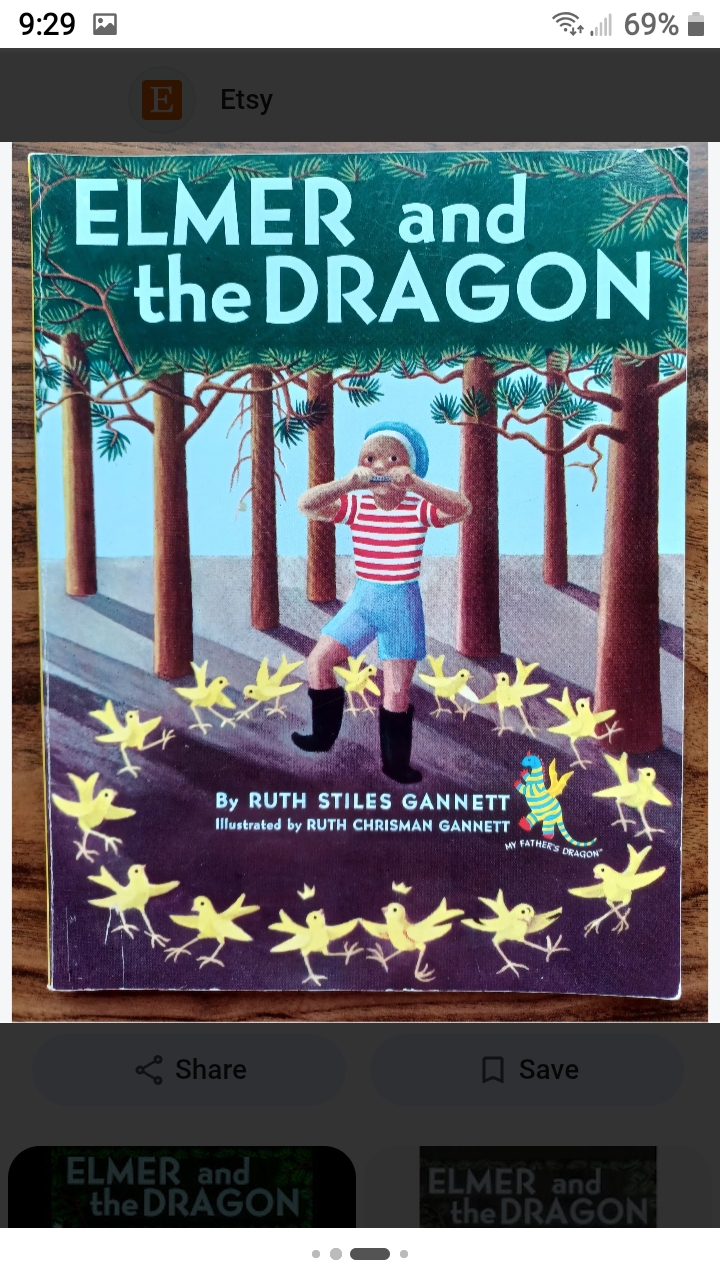
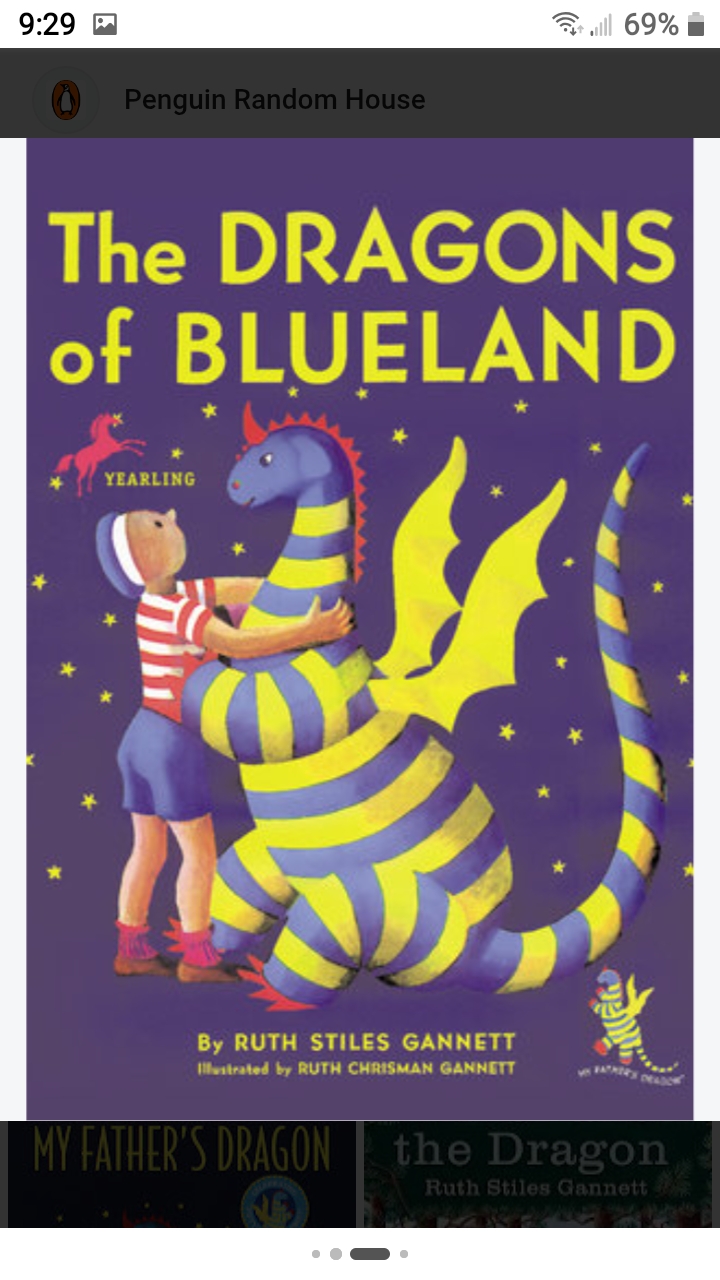
The story of Elmer Elevator, who upon hearing of a young dragon being held captive on Wild Island, heads off to the rescue with his trusty backpack full of useful items. This is a good first chapter book for readers not quite ready for hundreds of pages. It is also a wonderful read aloud choice. For more adventures with Elmer, two sequels: Elmer and the Dragon, and The Dragons of Blueland follow. This trio always appeared at book fairs.

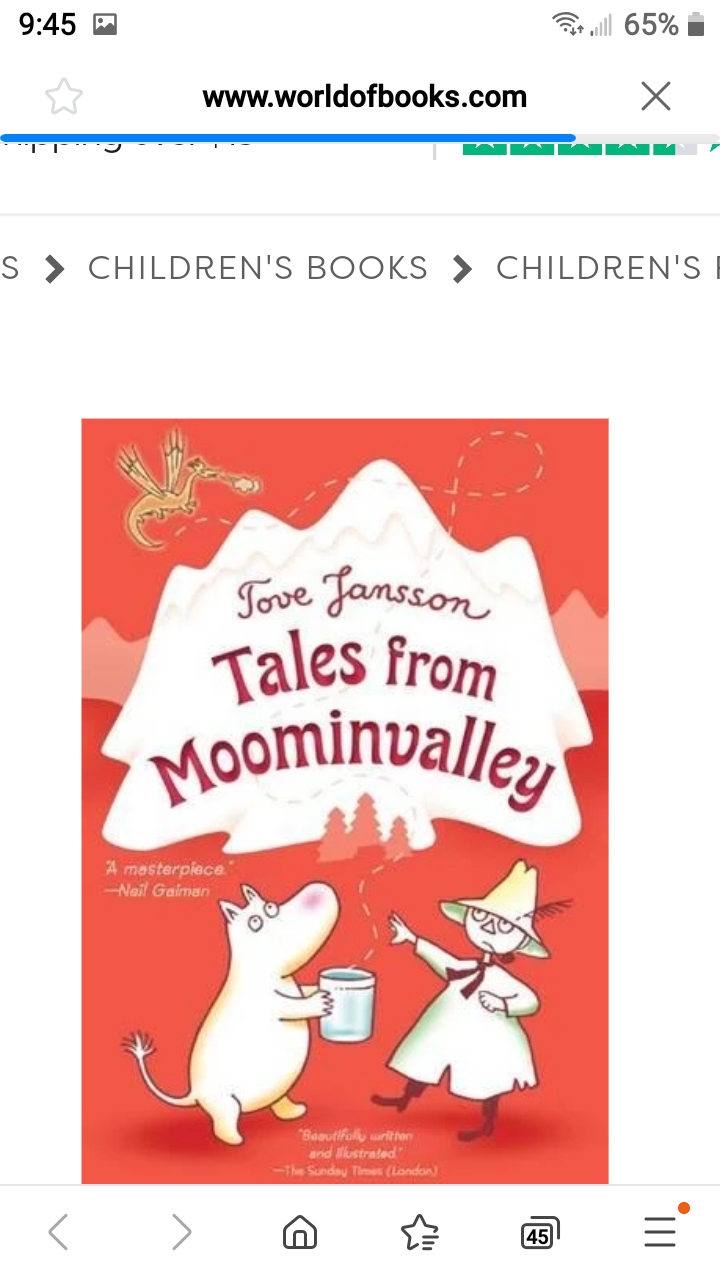
Tales from Moominvalley by Tove Jansson c1962 Illustrated by the author This editon c2010 Square Fish an imprint of Macmillan : New York

The Last Dragon in the World is a story from this collection of tales about creatures who frequent Moominvalley. Moomintroll and his best friend Snufkin and a tiny, fire breathing dragon are featured on the book cover. If you are looking for a story about true friendship to read to children, you will not find a more sympathetic one than this. Moomintroll finds a tiny dragon, perhaps the last one in the entire world, and wants to have it for a pet. The dragon, every tiny morsel of which is fierce and merciless, has other ideas. Here are the author’s words as Moomintroll prepares to tell his friend he has found a dragon:

“Snufkin gave him a sharp look and saw that Moomintroll was about to burst from delight and suspense. So he replied quite curtly: “I don’t believe it.”

“Possibly it would be no bigger than a matchbox even if it could spit fire all right,” Moomintroll continued with a yawn.

“Well, that’s pure fantasy, of course,” said Snufkin, who knew how surprises are prepared.

And then Moomintroll jumped to his feet and cried: “I’ve found it! I’ve found a real dragon of my own!”

While they walked up to the house, Snufkin went through the whole scale of disbelief, astonishment, and wonder. He was perfect.”

What if the dragon prefers another? True friendship hangs in the balance, find out how Snufkin proves he is true.

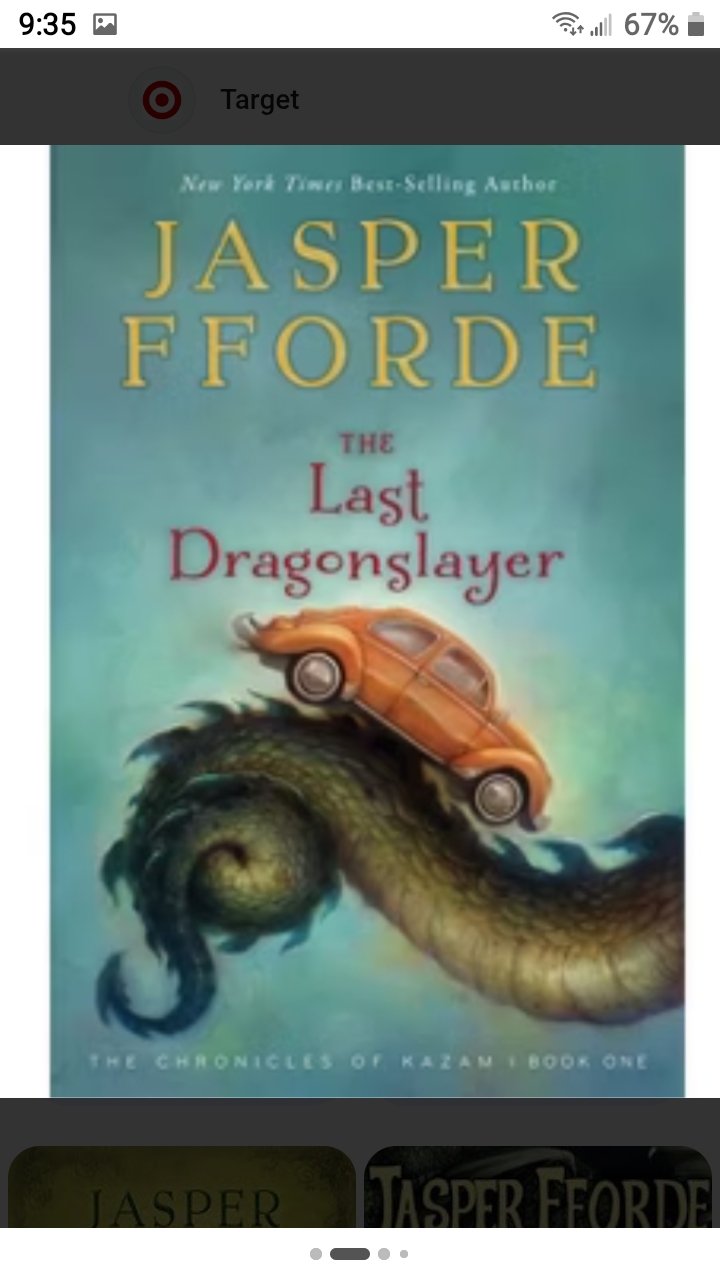
The Last Dragonslayer by Jasper Fforde c2010 in Great Britian First US edition c2012 Houghton Mifflin : New York

Jennifer Strange is a teenager living in the Ununited Kingdom. She is in charge of Kazam Mystical Arts Management and her task is finding employment for Wizard Moobin, Lady Mawgon, and other out of work magicians. Her job is made difficult because magic is drying up, one could read about it in the Hereford Daily Eyestrain. Changes are in the air. Jennifer begins having dreams about dragons. Maltcassion, the last living dragon’s death is predicted, and once the Dragonlands are vacant, developers are poised to move in. The Last Dragonslayer will have to come up with a plan for the future, whoever she might be.

Jasper Fforde is a masterful funny writer. His alternative United Kingdom is full of cleverness, but also believable characters you will enjoy and really like. There are more books in this series, but The Last Dragonslayer is just fine on its own! For young adult to adult readers.

Rainy Day Readers

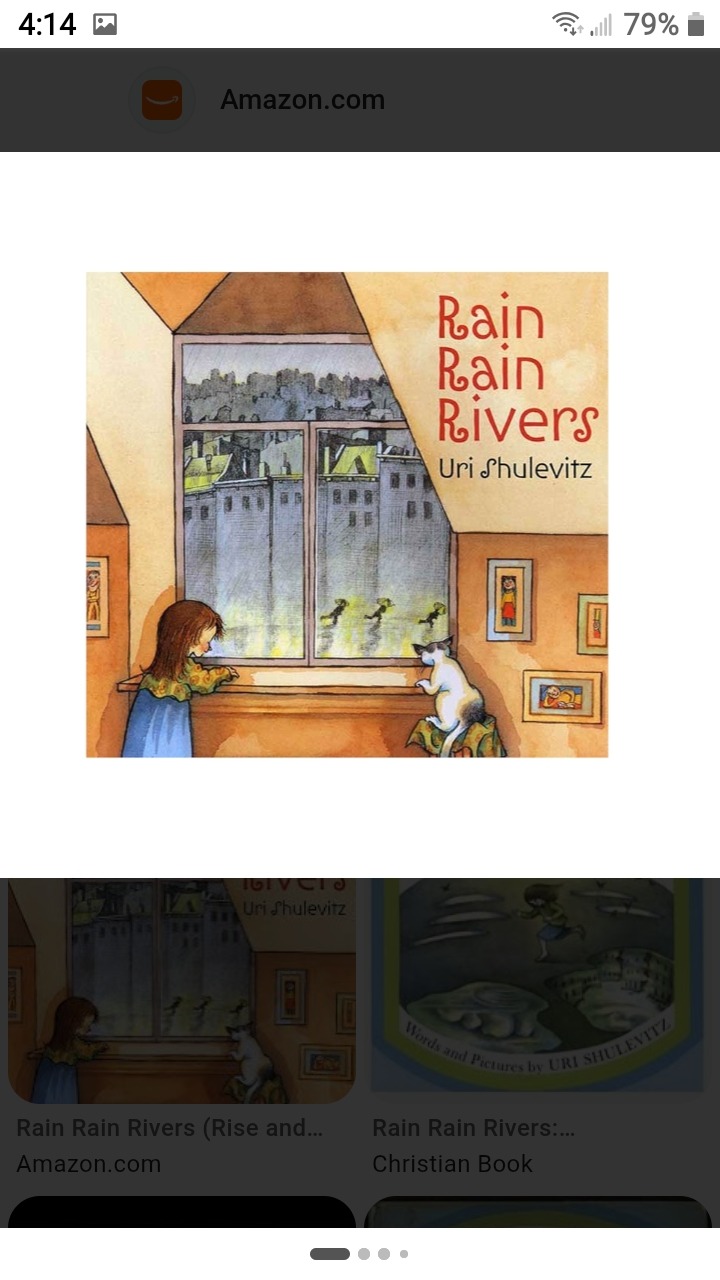
Rain Rain Rivers Written and illustrated by Uri Shulevitz c1969 Farrar, Straus and Giroux : New York

Classic Picture Books Celebrating Rain

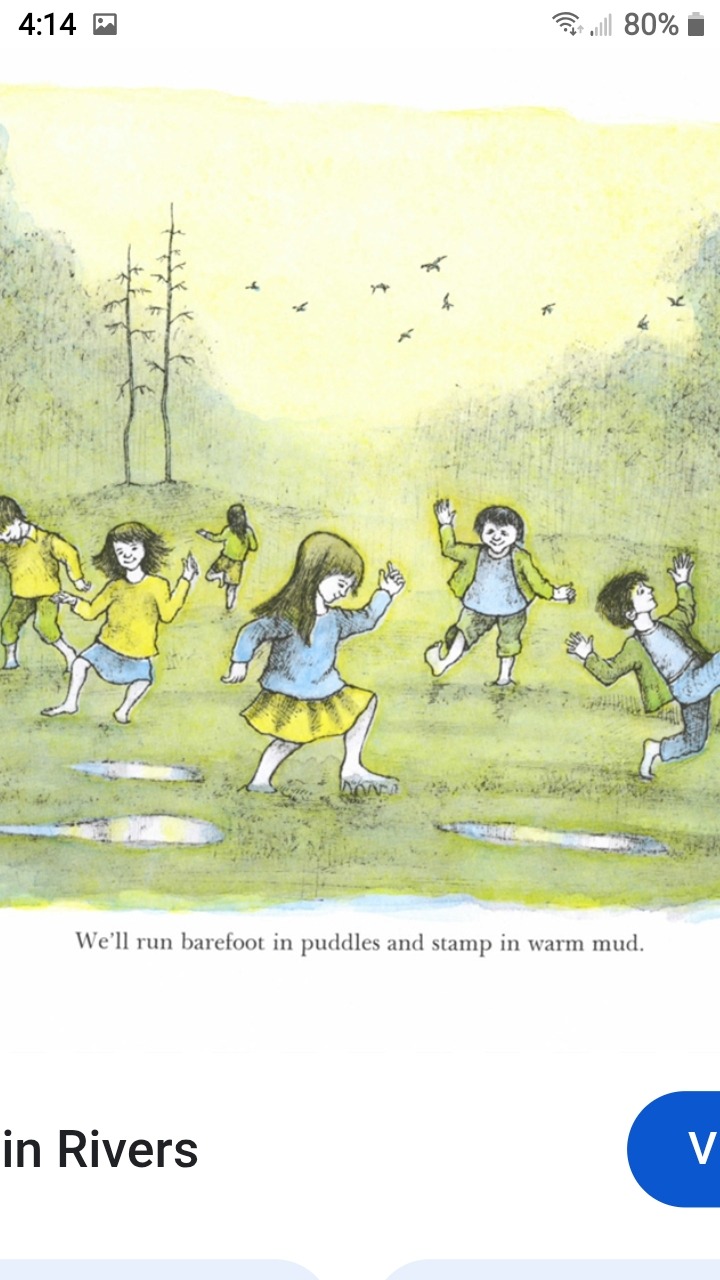
When rain begins in the city, a child imagines it falling in the hills, on ponds and streams, and rushing in rivers to the sea. This simple story builds appreciation for a day of gentle rain. What sights, sounds, and scents are to be experienced?

Rain Rain Rivers was named a New York Times Book Review Notable Children’s Book of the Year. Perfect for 4 to 8-year-olds.

Peter Spier’s Rain Illustrated by Peter Spier c1982 Doubleday : New York

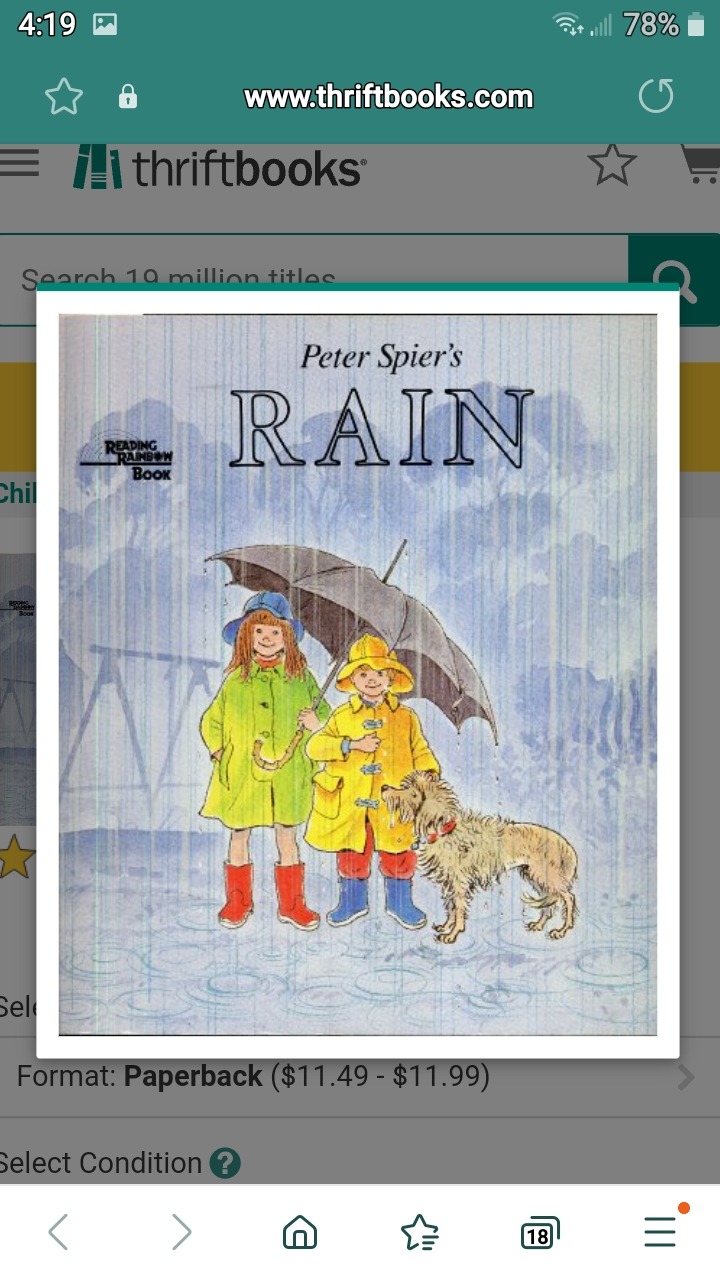
A brother and sister have an adventure exploring their neighborhood in the pouring rain. This wordless picture book can be “read” by children ages 4 and up. Copies of this book are available from Thriftbooks and other used book vendors. It can also be accessed on Internet Archive. It is well worth scouting out a copy!

Where Do They Go When it Rains Written and illustrated by Gerda Muller c 2010, later editions 2021. Floris Books : Edinburgh

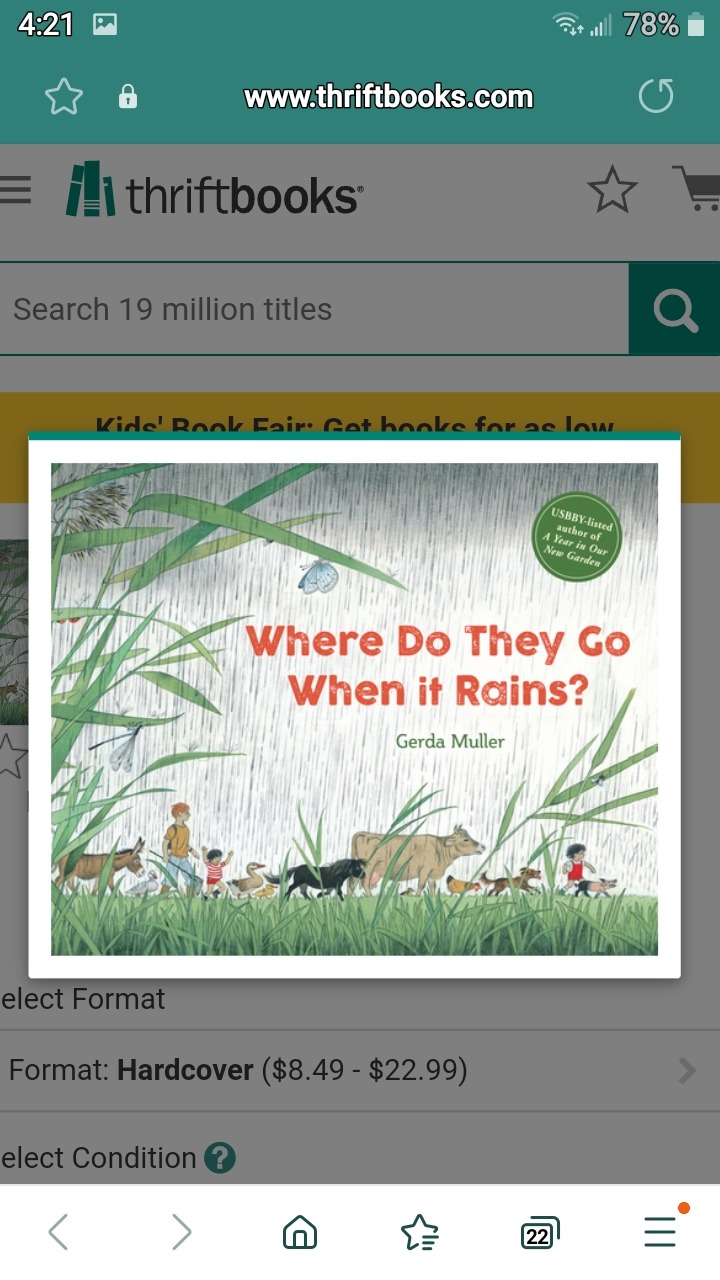
Have you ever wondered what butterflies do when it rains? Where do the baby ducklings go? Two young twins accompanied by an older friend explore their wet country world during a rainstorm. A simple text is wonderfully illustrated by Dutch artist Gerda Muller. She has illustrated over 100 books for children, and is well known for her detailed and beautiful depictions of the natural world. Many of her books are available from Floris Books. I featured some of her titles at every book fair.

A Rainbow of My Own by Don Freeman c1966 Published by Viking Press / Puffin Books

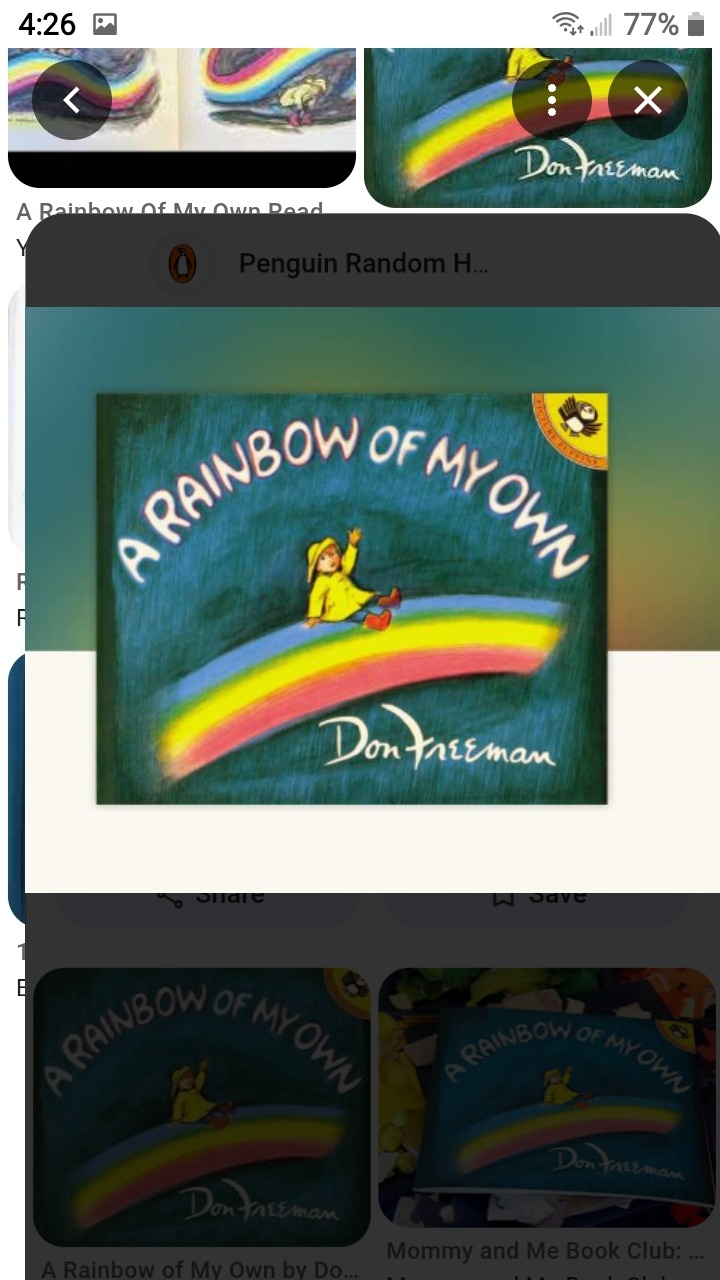
This Preschool to Kindergarten classic is always a hit at story time. The idea of having a rainbow to play with for a while is very appealing. How the boy in the story ends up with a rainbow of his own is a sweet surprise at the end. I always sent the children off with a rainbow picture to color.

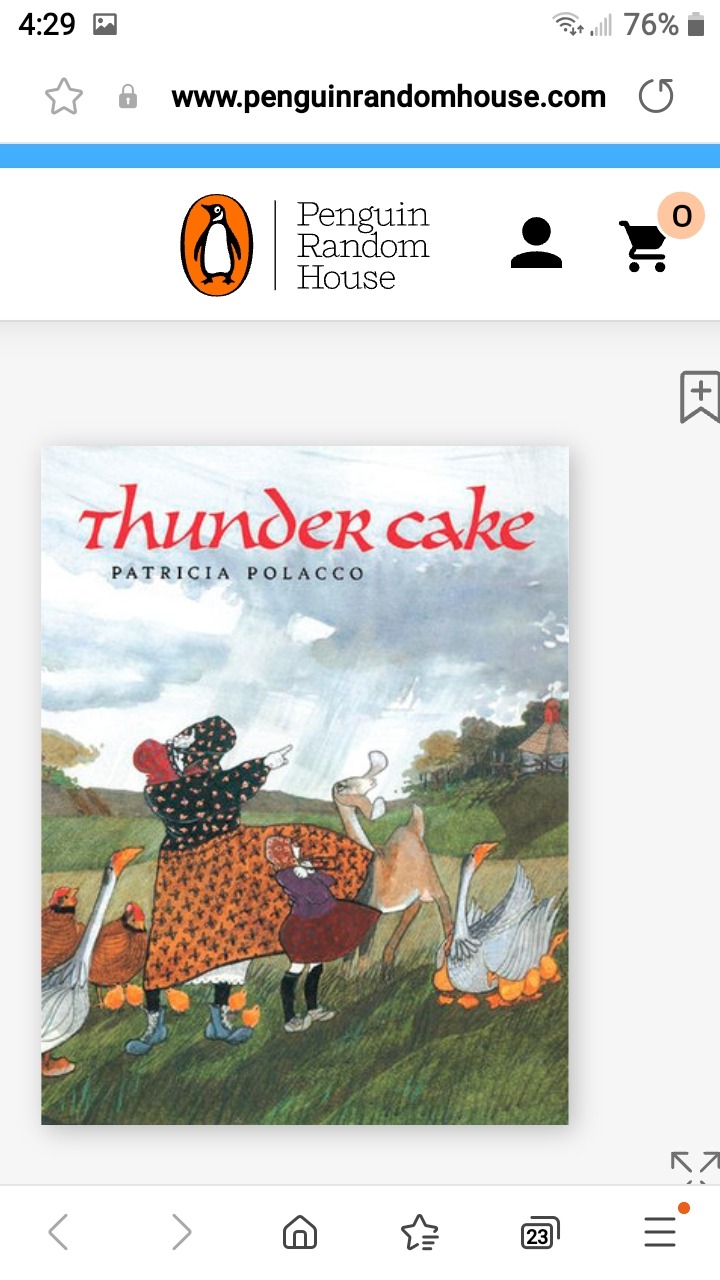
Thunder Cake Written and illustrated by Patricia Polacco c1990 Philomel Books Paperback edition c1997 Puffin Books

I have reviewed this book in one of my early posts, but it belongs here as well. A young girl is afraid of the loud thunder heralding the approach of a storm. Her grandmother distracts her by getting her to help her assemble the ingredients and bake a genuine Thunder Cake. Getting busy is a wonderful cure for fears. The recipe is included in the book and there are amazing photos of Thunder cakes readers have made on the internet. A delicious story indeed!

A Drop of Water by Walter Wick c1997 Scholastic Press : New York

For those who might prefer a non-fiction title, A Drop Of Water is just the thing. Walter Wick is known for his clear and eye catching photographs. This 40 page book introduces readers aged 4-to-8 to the science of water in its various states. Simple experiments help students explore ice, steam, evaporation and other concepts. The photos definitely do steal the show.

Once Upon a Time: A Family Headed West

Today is Pioneer Day where I live. There is a grand parade with the theme: “Like, Learn, Love Pioneers”. The celebration is in honor of the Mormon pioneers led by Brigham Young who arrived in the valley in 1847. Today’s post is dedicated to my elementary school teacher Rhea Guild, who grew up in Midway, Utah and came to New England where our paths crossed in my second grade classroom. Her family history included her pioneer Swiss ancestors who first settled in northern Utah. I remember her telling us stories of rain storms that began with enormous hailstones and I believe she introduced my class to today’s book.

Little House on the Prairie by Laura Ingalls Wilder Originally published in 1935, this edition illustrated by Garth Williams c1953. HarperTrophy Edition c1971.

The West That No Longer Exists might be the second title for today’s blog. Laura Ingalls Wilder understood that the world she knew as a child was already gone, and that future generations would not know what it was like to wrest a living from the land the hard way, clearing a place for crops, building your own simple house, keeping your family fed through long winters with no Safeway in sight. It is a bit startling to realize that Mrs. Wilder was still alive when the generation of baby boomers began to be born. Garth Williams met with Laura Ingalls Wilder when he began work on the illustration for the Little House Books.

Mrs. Wilder’s books became controversial in 2018, when the ALSC, a branch of the American Library Association removed her name from the Laura Ingalls Wilder Award, an award for lifetime achievement which was named after her and which was first presented to her in 1954. The ALSC said they were concerned about racist and stereotypical elements in the books. They couldn’t very well ban her books, since ALA sponsors Banned Books Week every fall. Little House on the Prairie is perhaps the worst offender in their eyes, since characters, including young Laura herself said, “The only good Indian is a dead Indian” several times. In another chapter Laura is surprised that the doctor who finds them and saves their lives when the whole family is taken ill is black.

Should you read or allow your children to become acquainted with these books? Is not an effective way to learn about attitudes and thinking of the past to read books written by contemporaries? There are statements in Little House on the Prairie that we would not say today. Today we are also not intending to vacate the former Indian Territories. Children deserve the whole story. Is the Pioneer experience not a part of the American Story?

In re-reading Little House on the Prairie, I found evidence of sympathy for and a will to understand a bit of the lives of the Osage people that were the Ingalls’ neighbors. When some of the settlers fear a massacre because they hear drums and war cries coming from the creek bottoms nearby at night, Pa is told by an Osage leader that his people were against attacking them and the tribes that disagreed were leaving the area. “No matter what Mr. Scott said, Pa did not believe that the only good Indian was a dead Indian.” Yes, Ma feared the Indians, but Pa takes Laura and Mary to see an abandoned Indian camp and shows them how food was cooked and interprets moccasin tracks in the sand. At the end of the book the Ingalls family watch a daylong passage of Osage stream by, heading west. Here again are the author’s words:

“It was dinner-time, and no one thought of dinner. Indian ponies were still going by, carrying bundles of skins and tent-poles and dangling baskets and cooking pots….Then the very last pony went by. But Pa and Ma and Laura and Mary still stayed in the doorway, looking, till that long line of Indians slowly pulled itself over the western edge of the world. And nothing was left but silence and emptiness. All the world seemed very quiet and lonely.” The end of an era was witnessed here and it leaves a quiet feeling of sadness with the reader.

There are many events young readers can appreciate in Little House on the Prairie. What would it feel like to make a dangerous river crossing with no other people along? If the Ingalls’ wagon had foundered nobody would ever have known what happened to them. Mr. Scott narrowly escapes death from gases that formed at the bottom of the well he was digging. Pa is surrounded by wolves while riding home, a bit different from being stuck in traffic today. Jack the valiant dog has a great part to play in the story, don’t want to give his big moment away! Do keep this book on your reading list, and give your readers credit for understanding that they are learning about the past. I think the author had that in mind.

You Have Seen the Movie…..Don’t Miss the Book. Nurse Matilda; AKA Nanny McPhee.

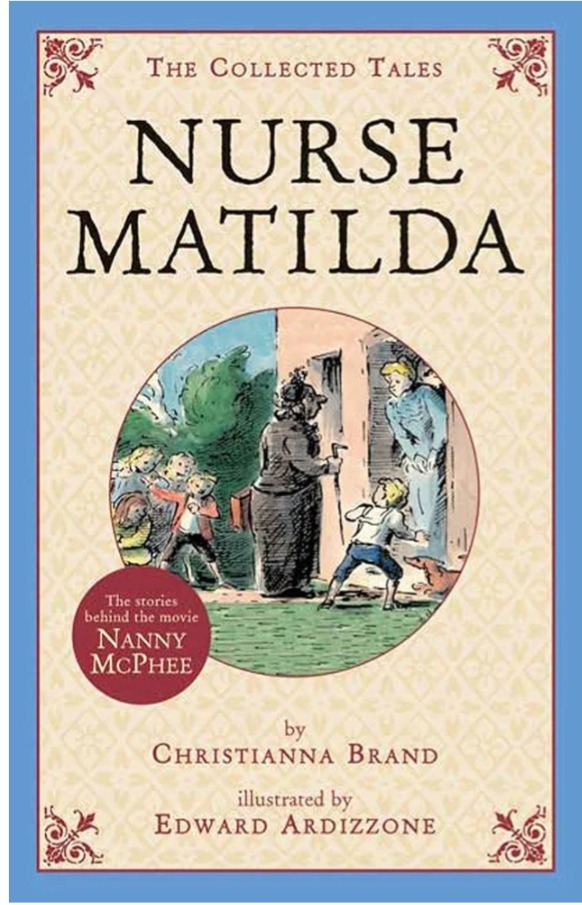
The Collected Tales : Nurse Matilda by Christianna Brand with illustrations by Edward Ardizzone c1964, collected tales c 2005 by Bloomsbury Publishing : New York and London

Mr. and Mrs. Brown had so many incorrigible children that they didn’t seem to know what to do. The Agency had already sent them a lot of nurses, nannies, and governesses, and all had fled because of the terribly, terribly naughty Brown children. There were so many of them that their parents thought of them in groups, from the Big Ones, to the Middling Ones, and on down to the Baby who spoke in its own language. The Tiny Baby was too young to be really naughty yet, so it did not get counted.

What were these naughty children up to? Here are the author’s words:

“Francesca had filled the Tiny Baby’s bottle with baby-food and was feeding the dogs with it.

Little Quentin had drawn flowers all up and down the walls and was watering them from the big, brown, nursery teapot.

Antony was filling up the nursery ink-wells with runny red jam

Sophie was shampooing Hernrietta’s hair with glue.

All the other children were doing simply dreadful things too.”

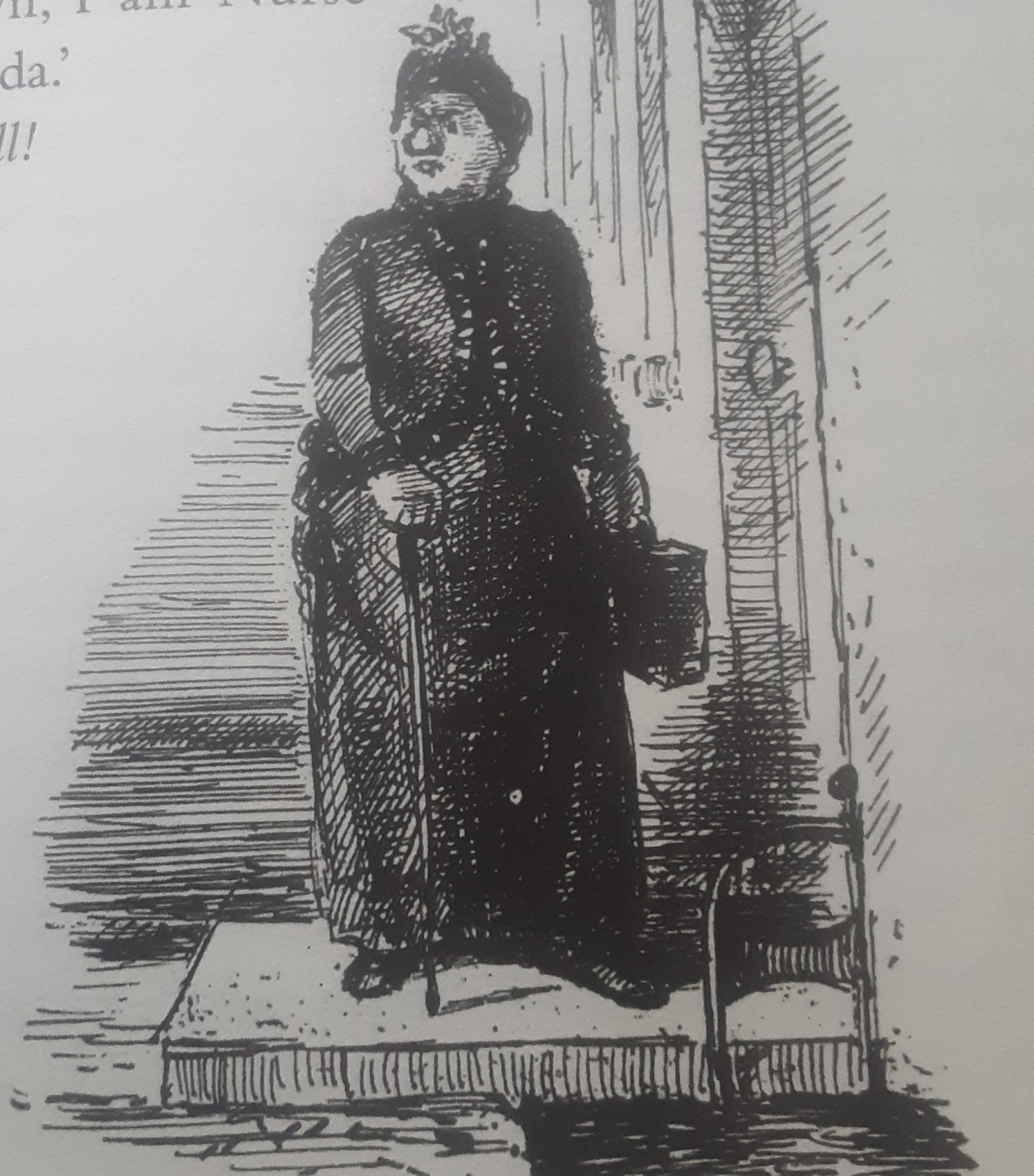
The Browns had been advised to find Nurse Matilda, but none of the Agencies they visited seemed to have her on their books. It was a surprise to arrive home and find her on the doorstep, ready to begin the lessons that would reform the Brown children. Nurse Matilda was not at all pretty. She had tiny, black eyes, a nose like two potatoes, and a frighteningly huge front TOOTH.

Nurse Matilda also had a big, black stick, and when she brought it down with a loud and firm thump, things began to happen. Magical things that no one could explain. The other thing no one could explain was how Nurse Matilda seemed to be less ugly as the children’s behavior improved. At times she looked almost attractive! There is one rule that governs Nurse Matilda’s time with the families she has helped. When the children don’t want her, she must stay, and if the time comes that they do want her, she must leave. The Brown children are without a doubt the naughtiest Nurse Matilda has encountered, so it looks as though she will be with them for a long while.
Learning to sit up straight in their chairs.

The Nurse Matilda stories were written by Christianna Brand, a successful author of mystery books, and illustrated by her cousin, Edward Ardizzone. Brand and Ardizzone spent lots of time together as children, and heard the first Nurse Matilda stories which were invented and told to them by Edward’s grandmother. Lots of creativity in that family! One of the things to notice about the stories is the number of children. I found the number in an article about the books, but I leave it to readers to discover on their own. The Collected Tales include: Nurse Matilda, Nurse Matilda Goes to Town, and Nurse Matilda Goes to Hospital. I found the three individual books in a bookshop on a trip to York, UK, some years ago, and regret not buying them. Each was bound in a small volume with gilded edges and a sewn-in bookmark. Very attractive to the children’s book collector I turned out to be. The collected tales are currently also available in paperback.
How About An Adventure? Summer Reading to Take You Away.

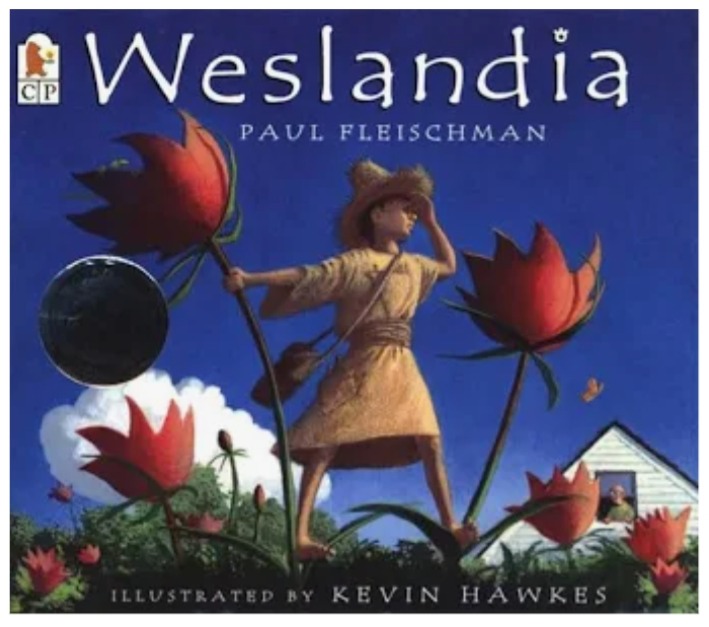
Weslandia by Paul Fleischman Illustrated by Keven Hawkes c2002 Candlewick Press

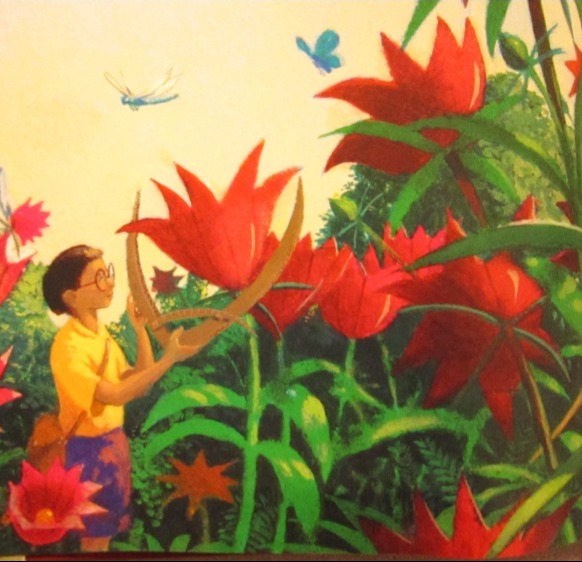
Some children spend summer vacation at soccer camp or on a family trip, but Wesley has a plan. Why not create your own civilization? Instead of hanging around with the schoolmates who torment him, Wesley tends a new crop of strange plants from which he creates special ink for writing a new language, uses the fibers to create cool and comfortable clothing, builds himself a shelter, and names his world Weslandia. New and challenging games are to be invented and creative possibilities present themselves each day. No boredom can exist for long in this fascinating and colorful neighborhood.

Wesley assesses the growth of his flourishing plants.

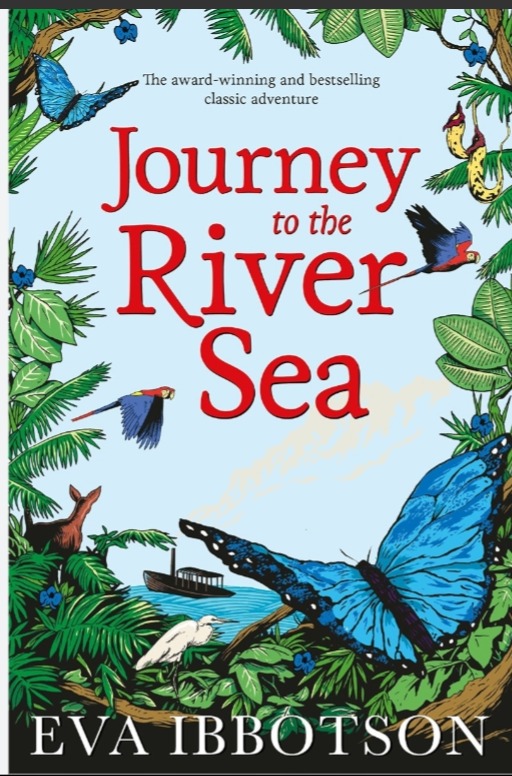
Journey to the River Sea by Eva Ibbotson Originally published by Macmillan Children’s Books : London c2001

Orphan Maia never dreamed she would be leaving her comfortable London boarding school to live with relatives in Brazil. When her relatives who live on a rubber plantation turn out to be unpleasant and unkind and have no interest in learning about the world of the Amazon river that surrounds them, Maia is very unhappy. Sometimes those who have courage and strength during difficulties are rewarded. New friends and a boat journey on the largest river system in the world bring Maia in touch with new possibilities. Eva Ibbotson takes her readers on an unforgettable trip.

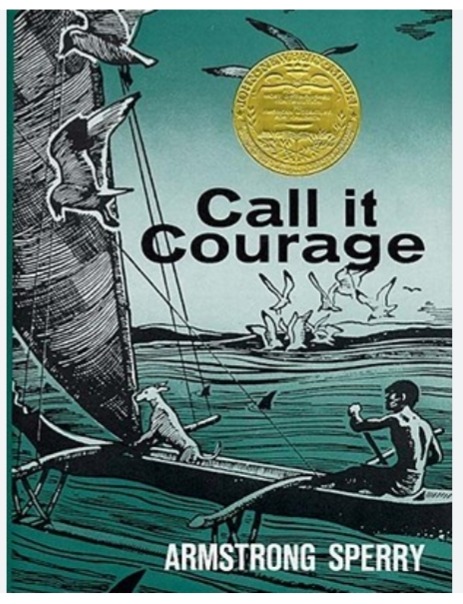
Call it Courage by Armstrong Sperry c1940 Currently available from Simon & Schuster

Teenager Mafatu has always been afraid of the sea. He has been teased and made to feel an outsider by the people on his South Pacific island of Hikueru. In order to redeem himself and make his father, the chief, less ashamed, Mafatu sets out to sea on a small boat with his dog as his only companion. He hopes to conquer his fear once and for all.

This is not a long book, but the story is one of those that lives long in the hearts of readers. It is perfect for ages 9 to 12 and it is an excellent choice to read aloud at home or at school.

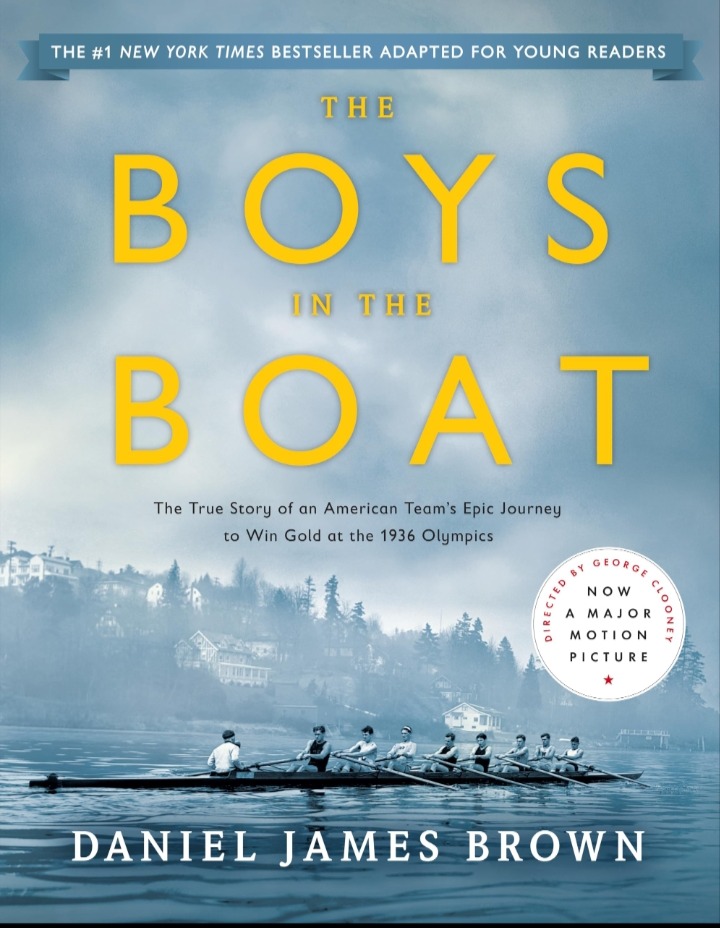
The Boys in the Boat by Daniel James Brown Young readers edition c 2015 by Viking Books for Young Readers also available from Puffin Books

The true story of the team that rowed to victory for America at the 1936 Olympics. No one expected that a crew of young men from Washington State would outperform the Ivy League teams from the Eastern US, let alone win at the Olympics. The story of how they got there is inspiring and uplifting and belongs on any list of books for students. I played the footage of the actual boat crossing the finish line for my classes when I book talked this at book fairs. It is always a winner!

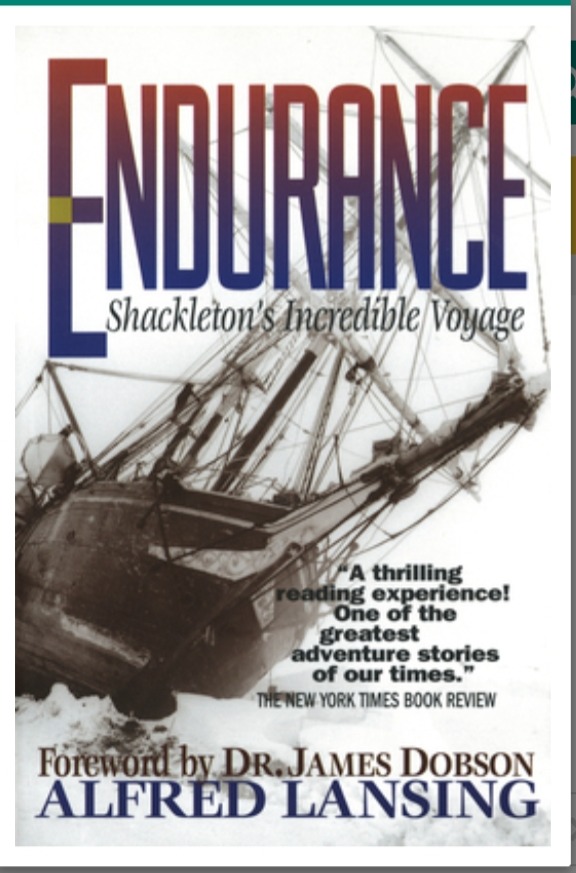
Endurance by Alfred Lansing c1959 by McGraw-Hill Book Company : New York

The story for which the word EPIC was invented! Most junior high readers can enjoy this true tale of survival under extreme conditions during a Polar expedition to the Antarctic in 1914. That 28 men could live through the loss of their ship without any of the modern technologies we know today is one of the most remarkable survival stories of all time, and a testament to the difference good leadership can make. Expedition leader Ernest Shackleton made the men get rid of most of their possessions when they prepared to take to the ice as their ship began to be crushed, but he kept the banjo. He knew his crew would need every possible help to take their minds off the dire situation they were in. He also knew that in the days leading up to WWI, nobody was going to be interested in coming to their rescue. They had to save themselves. This is the story of how they did it. If your teenagers do not know this story, why not get them acquainted with Shackleton and his brave companions?

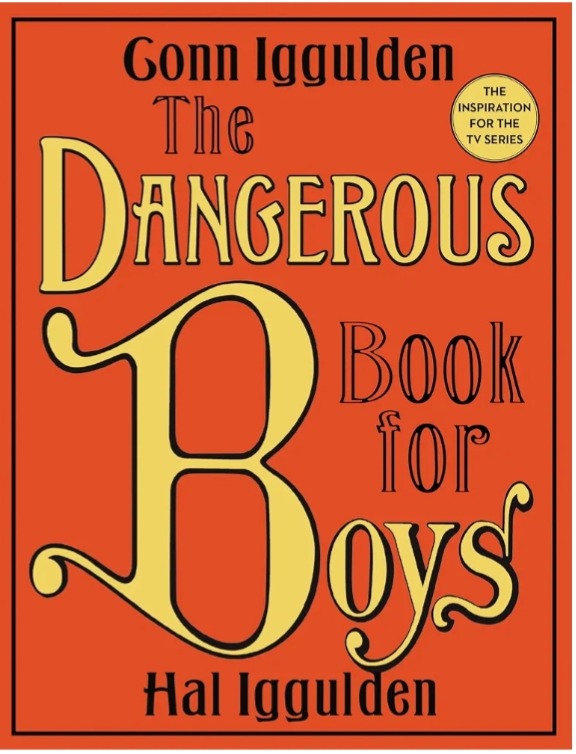
The Dangerous Book for Boys by Conn and Hal Iggulden c2006 by HarperCollins

A classic How-To book that covers building a treehouse, skimming stones, the five knots every boy should know, identifying fossils, basic fishing skills, and more ideas for enjoying life outside. There are also many useful lists and documents such as baseball’s most valuable players, a Navajo code talkers dictionary, The Declaration of Independence, and the Ten Commandments, least we forget a few. This book will help your young lads adventure well this summer.

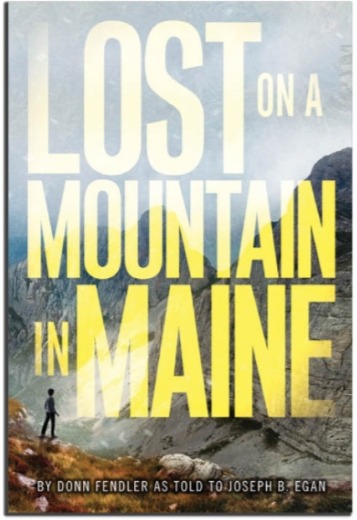
Lost on a Mountain in Maine by Don Fendler and Joseph Egan Original c1939. Republished in 2013 by Harper Collins

Another true survival story. When he was twelve years old, Don Fendler became lost during a hike on rugged Mount Katahdin and managed to survive alone until he was found on day nine. Mount Katahdin is famous for being the northern endpoint of the Appalachian Trail. It is a strenuous and difficult hike with extreme weather changes, not a good place to lose your way. This book is a good companion to the Dangerous Book for Boys. Be prepared, as the scouts say.

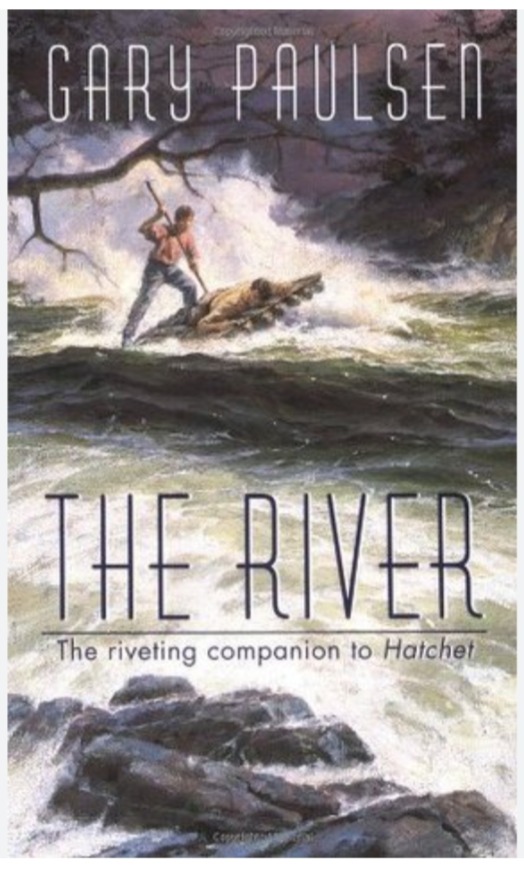
The River by Gary Paulsen c1991 Dell Publishing / Random House Children’s Books

The first sequel to Hatchet by Gary Paulsen. Brian returns to the wilderness with a psychologist to teach survival skills, but must navigate a raft downriver after his companion is injured in a storm. Gary Paulsen is THE young person’s wilderness adventure writer. The Hatchet series is probably the best known of his books, but there are shelves more to be enjoyed. I have given his book Winterdance : The Fine Madness of Running the Iditarod to outdoor fans in my family. Mr. Paulsen ran the Iditarod twice, and his tale of that experience as a rookie is enlightening, and a bit crazy.

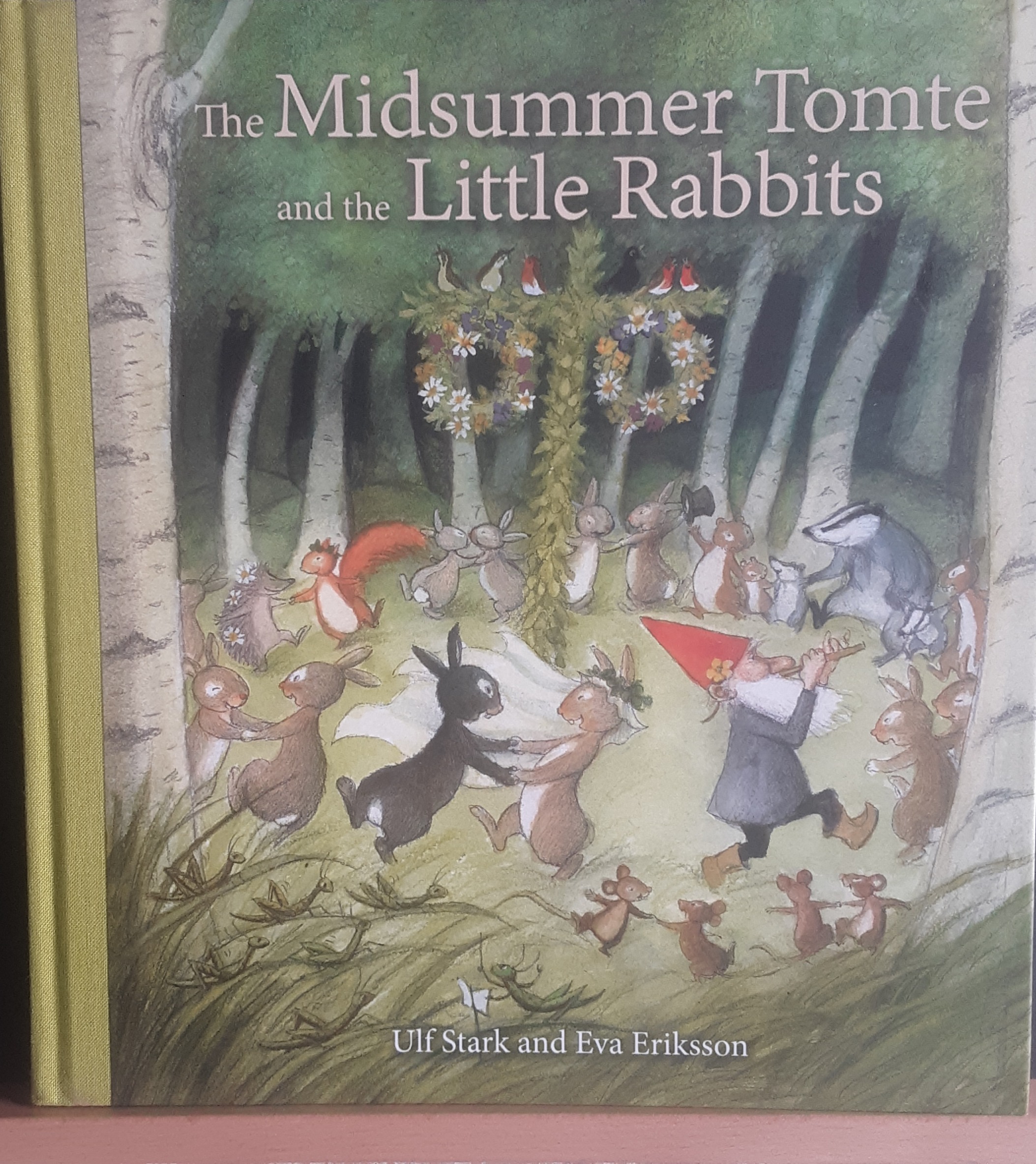
Grump Is His Name… The Midsummer Tomte and the Little Rabbits

The Midsummer Tomte and the Little Rabbits by Ulf Stark with illustrations by Eva Eriksson English edition c2016 by Floris Books : Edinburgh

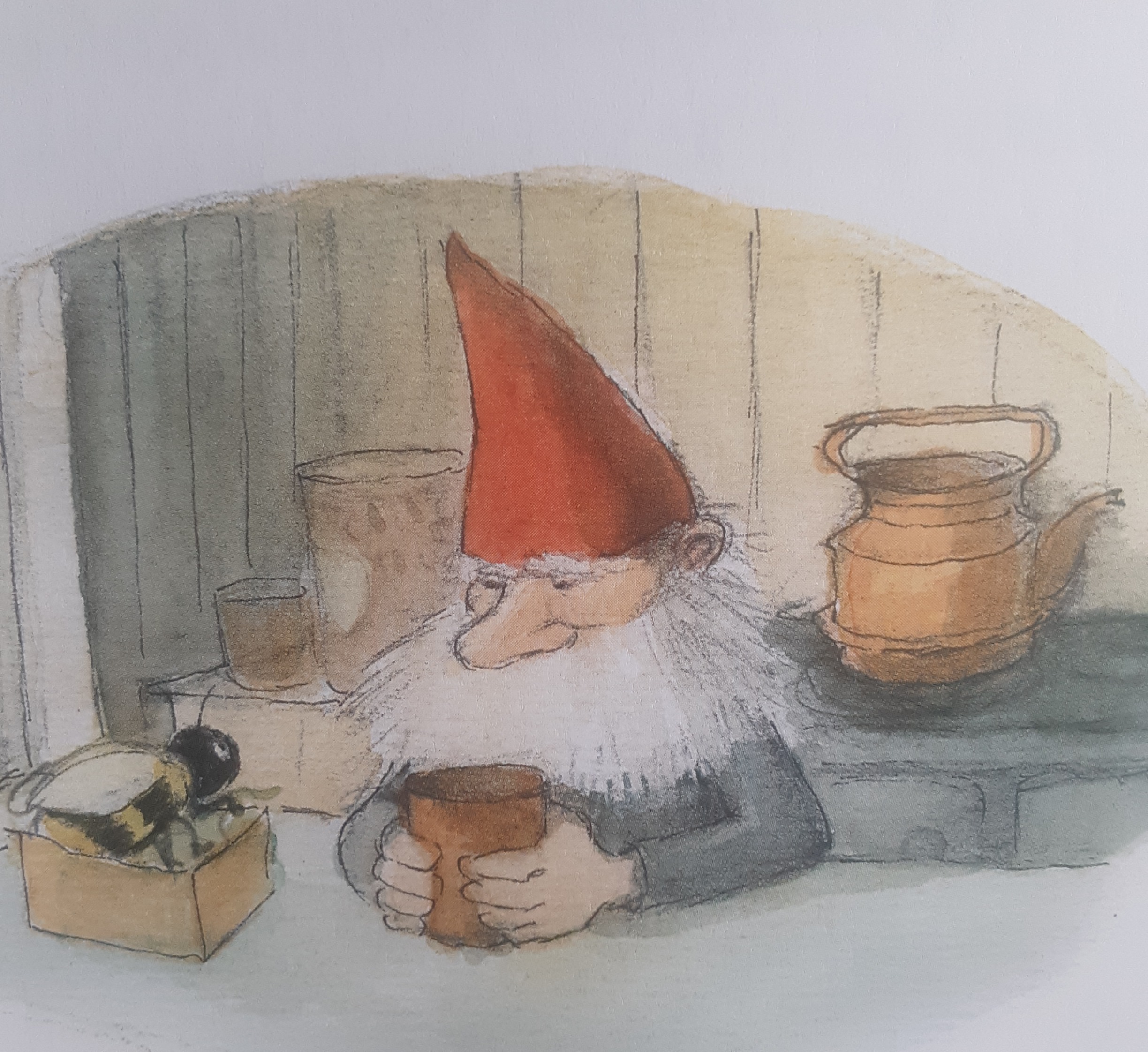
Grump is a house tompte. He lives in a dog kennel converted into a cozy home just the right size for a small being, and he looks after a cottage long empty of its happy family. His best friend is a bumblebee. Here are some of the author’s words:

“His friend the bumblebee was flying around looking for flowers that had come into bloom. It swooped over the nettles beside the pigsty.

“Soon it will be time to leave and find a home of my own,” thought the bumblebee.

Every time it mentioned leaving, Grump grunted and said it was too soon for that. “What are you thinking of, you bumblenoodle? There aren’t enough flowers yet. You’ll starve.” Then Grump sighed. “No, I’ll have to put up with you a bit longer, you nuisance.”

The bee looked down at the tompte and wondered, “How will I have the heart to leave the old crosspatch? He saved my life once. I don’t want to make him sad.”

Grump and Bumblebee have a serious chat. Illustration by Eva Eriksson

Grump knows that a house tompte should be a bit grouchy, but sometimes he forgets and ends up doing very kind and thoughtful deeds. A large and noisily happy rabbit family nearby has benefitted from having Grump in the neighborhood, and this summer will be no different.

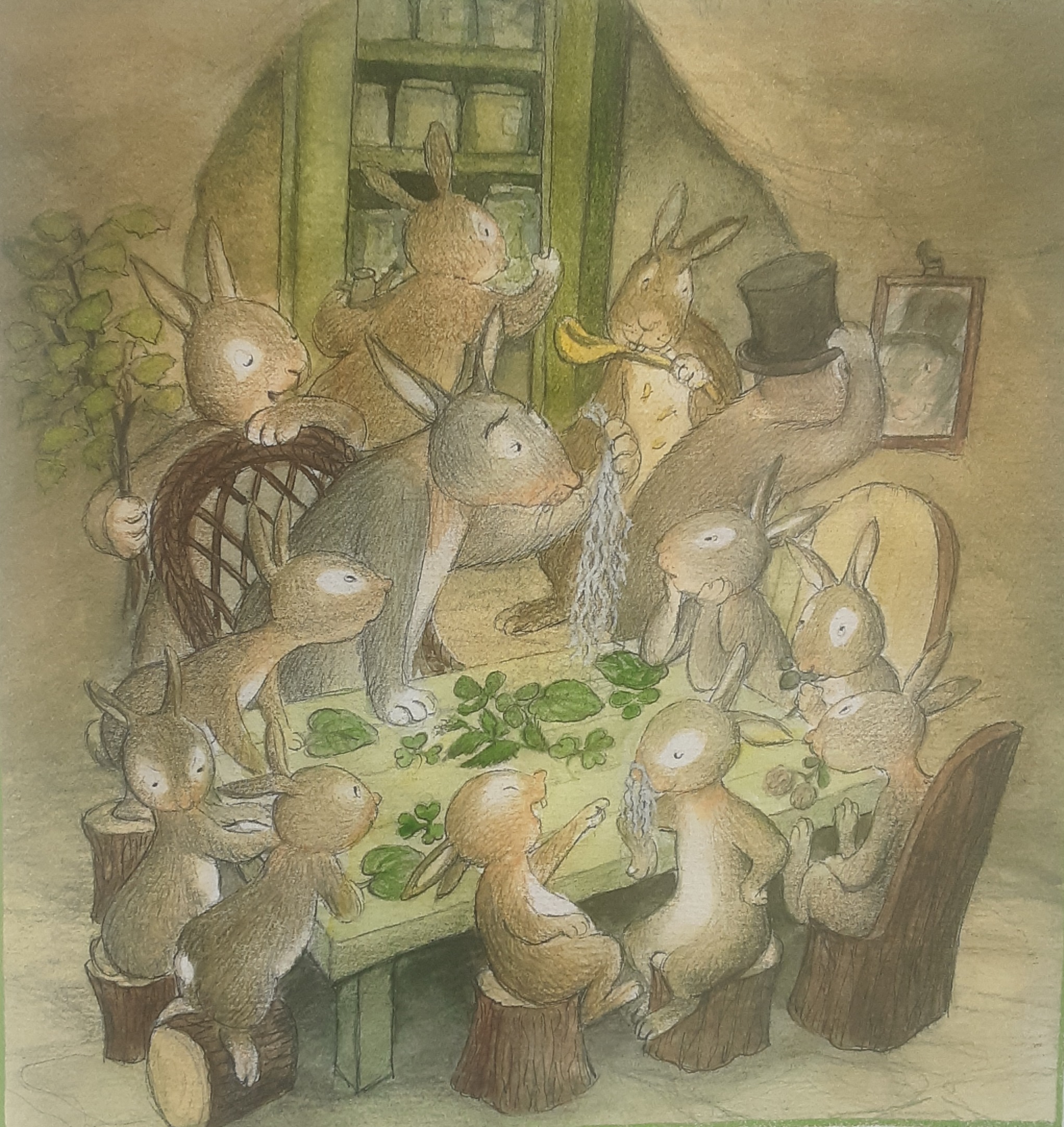
Father Rabbit is very proud of his top hat and wonders if an event called Midsummer might provide a chance to show it off, if only they knew how to celebrate it. Barty wonders if a tree is decorated. Grandfather wants to know if there are speeches given or poems written. Mother thinks dancing would be nice. Everyone hopes there will be tasty food to eat. Owl warns them that Midsummer is “Full of magic and love and mystery, so it’s best to watch out!”

So much can happen in the long days leading up to Midsummer’s Eve. There are storms, lots of time to play rabbit games, Grandfather’s lessons, perhaps even time to fall in love….There are 21 short chapters in this lovely book, perfect for reading one each bedtime right up to Midsummer’s longest day. Warm and gentle humor and scenes from happy family life are found throughout this story. It doesn’t matter that the family might be rabbits or mice. The characters are so like people you might know. Eva Eriksson’s pictures and page decorations make this a beautiful book to own.

Grandfather Rabbit teaches a lesson on plants, edible and otherwise. Illustration by Eva Eriksson

Grump turns to his “one and best book” In Praise of Solitude for solace when his friend leaves and learns that becoming attached to things leads to disappointment when they leave. Perhaps he will change his ways, or maybe the future will be better than he thinks. Better read this book and find out. The Yule Tomte and the Little Rabbits by the same two collaborators will be waiting for your young readers come Advent season. That is good news indeed.

Bored Offspring? Try These Cures from Tony Fucile and Peter Spier

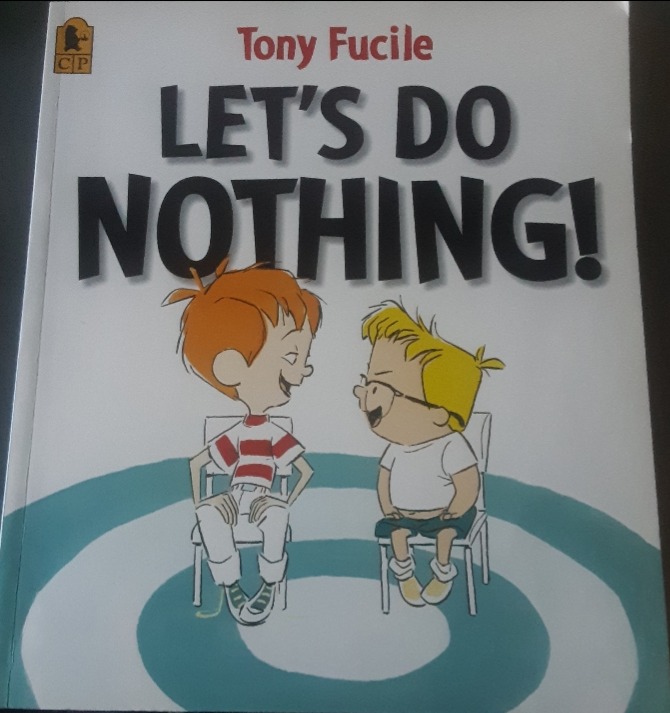
Let’s Do Nothing by Tony Fucile c2009 Candlewick Press

Friends Frankie and Sal have done it all. They have played all their board games and baked loads of cookies. They have played every sport and read all their comic books. What on earth is left to do? Maybe it is time to try doing absolutely NOTHING…

Turns out doing nothing can be quite a challenge, as the boys discover. In our house, we played a game called, “Quaker’s Meeting” which required you to sit perfectly still, no smiling or laughing or fun allowed. A judge would be appointed, who would glare at the contestants or make faces until somebody cracked. Somebody always cracked, of course, and great fun was had. What happens when Frankie and Sal attempt to sit quietly is illustrated with hilarious pictures that will have your audience laughing aloud.

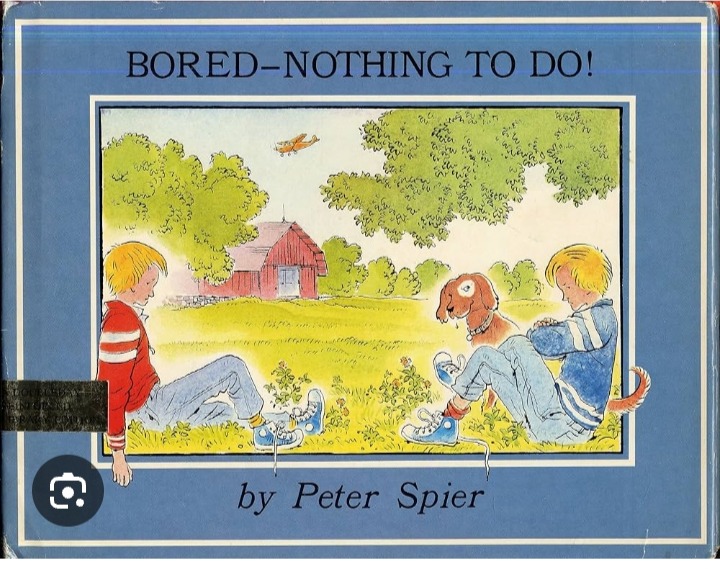
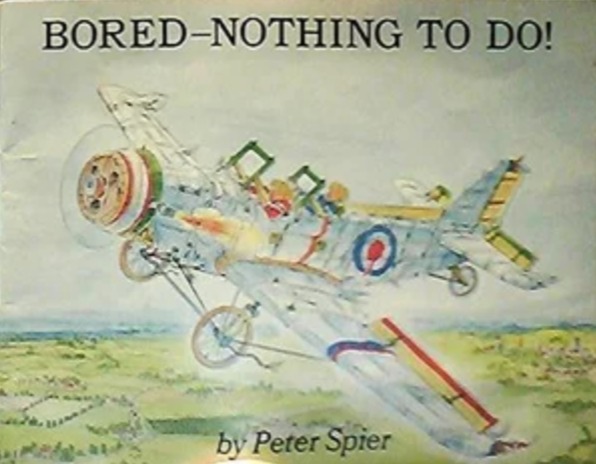
Bored-Nothing To Do by Peter Spier c1978 by Doubleday

This book may be hard to find, if you see a used copy, snatch it up, because it is a treasure There are videos online of people reading it aloud, so there is free access to the story for your family available if your local library can’t find you a copy.

In the country, if one was bored during the summer vacation, your folks would tell you to go outside and stay out! There were trees to climb, maybe a brook to play in, forts to be built and defended, and plenty to do with a little imagination. Peter Spier tells the story of some bored but very imaginative children/ engineers who find a plane propeller in the barn and build themselves a flying machine. Readers will enjoy seeing all the found objects used in construction of a home made airplane. Better hide any propellers on your property.

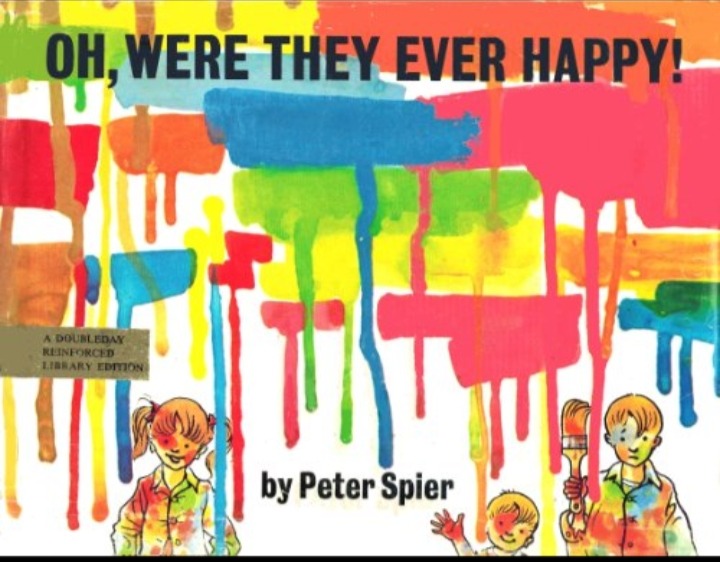
Oh, Were They Ever Happy, by Peter Spier c1988 by Doubleday

Children left alone at home for a few hours on a slow Saturday afternoon just might decide to do some helpful chores….like painting the house. How will the neighbors, and most importantly, the parents, react when they behold the colorful new house on the block? My 6 to 9-year-old listeners enjoyed seeing this project progress in each more wildly painted page.

Life on the Island…Northern Style

Here are five books where the story takes place on a Northern island. There are no tropical breezes, only cool, blustery Atlantic weather and shorter days. It is time to think about summer reading, and these titles will help to while away quiet afternoons or evenings when the lawns are mowed, dishes are washed, and a book is just the thing. As every good fiction reader knows, characters that land on an island must be about to have an adventure, with or without pirates….

Katie Morag and the Big Boy Cousins by Mairi Hedderick c 1987 Random House Children’s Books : London This edition printed by Red Fox Books in 1999.

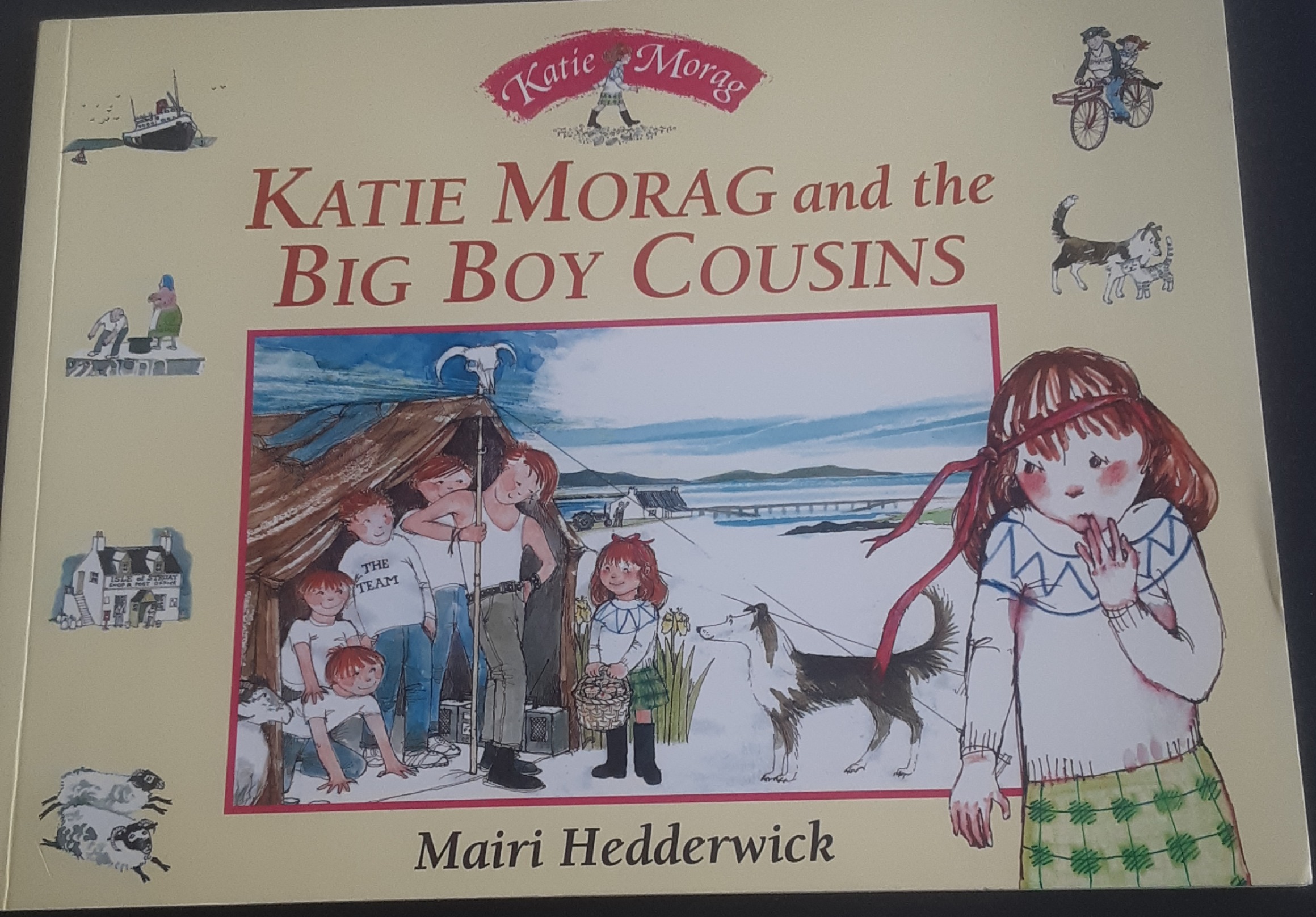
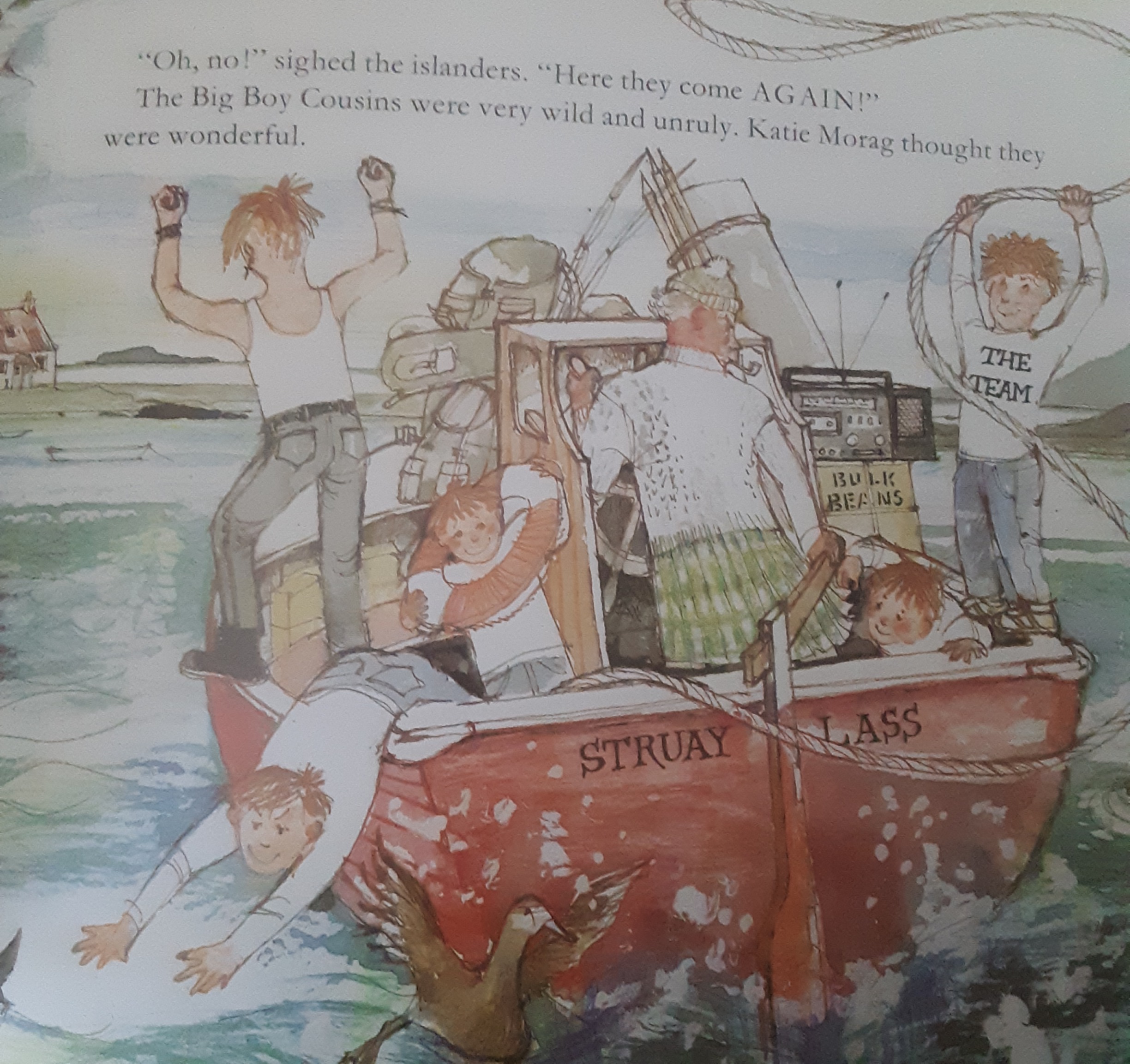
Katie Morag’s grandmother, who is known on the Isle of Struay, Scotland as Grannie Island, has invited a batch of Katie’s boy cousins for a visit. The cousins are full of mischievous pranks and out-of-bounds behavior that make the other islanders dread their annual appearance. Katie, however, is looking forward to some fun. How will Grannie Island handle this wild bunch?

Mairi Hedderwick paints the skies, sandy beaches, and small villages of an island in the Inner Hebrides for young readers. The Isle of Struay is based on the actual Isle of Coll. There are more adventures with Katie Morag to be had for readers ages 5-9.

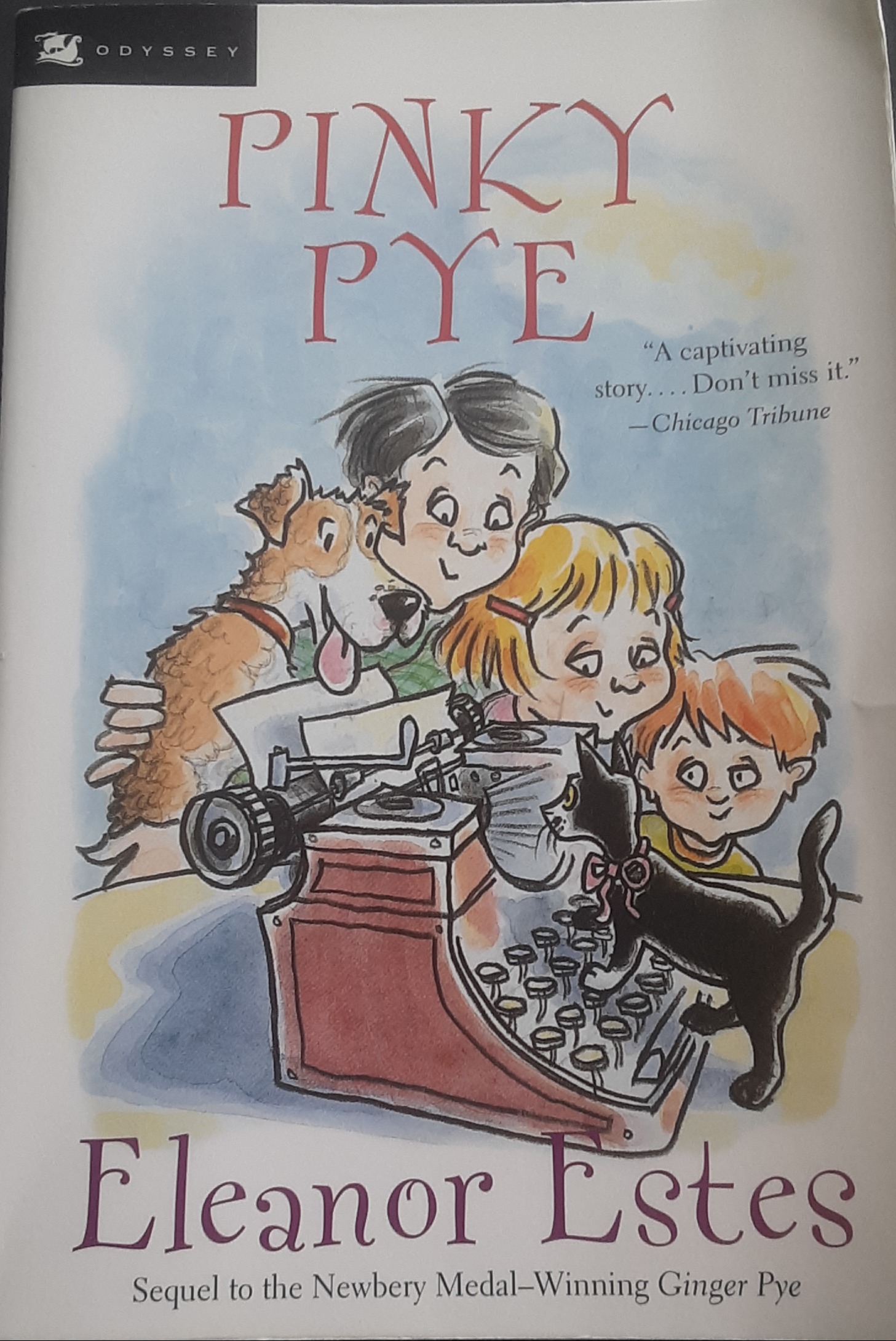
Pinky Pye by Eleanor Estes c1958 This edition Odyssey Classics by Harcourt printed in 2000 with original illustrations by Edward Ardizzone

The Pye family, including their famous dog Ginger and smart cat Gracie are headed off to Fire Island for the summer. Father Pye, a renowned ornithologist, has been asked by Washington to investigate the very unusual sighting of a puffin by a reliable bird watcher on Fire Island. The bird watcher agrees to rent a cottage to the Pyes for a reasonable price, so Mr. and Mrs. Pye, Jerry age ten, Rachel age nine, their small Uncle Bennie age three, their pets, and piles of luggage are soon waiting for the ferry that will take them to the island.

Soon after their arrival the Pyes add a kitten named Pinky, for her raspberry pink tongue, to the family. Pinky is the only cat ever known to possess the ability to type. Her messages are some of the best parts of the book.

The authors words: As typed by Pinky… ” The String Bean Game”

  • a. This important game HAS to be played with someone.
  • b. Go to the icebox , sit in front of it, say “Woe,” and Pye, or whoever you own will come. Pye will understand what you want, for you will have the eager string bean game expression on your face.
  • c. Now, crouch and wiggle This means you are ready for the throw.
  • d. Now. He throws Bean. Tear after it as though you have been shot out of a cannon. People are always surprised to see how fast you can get going without having to gather speed. Never let speed be ungathered. Race after Bean, bring it back and lay it at Pye’s feet. He throws Bean again. Race after it again. and if it has gone around a corner, knock recklessly into a wall as you make the speedy turn. Pick it up and trot back with it……….”Hurray!” the people will exclaim noisily. “She retrieves like a dog!” What nonsense! Dogs retrieve like dogs—huff, huff, pant. Cats retrieve like cats and bring variety to the game.

There is a mystery to be solved among other island events. Gracie the cat wants very much to gain entrance to the eaves to investigate. Everything that is good in a middle-grade book exists in this summer story. Give it a try.

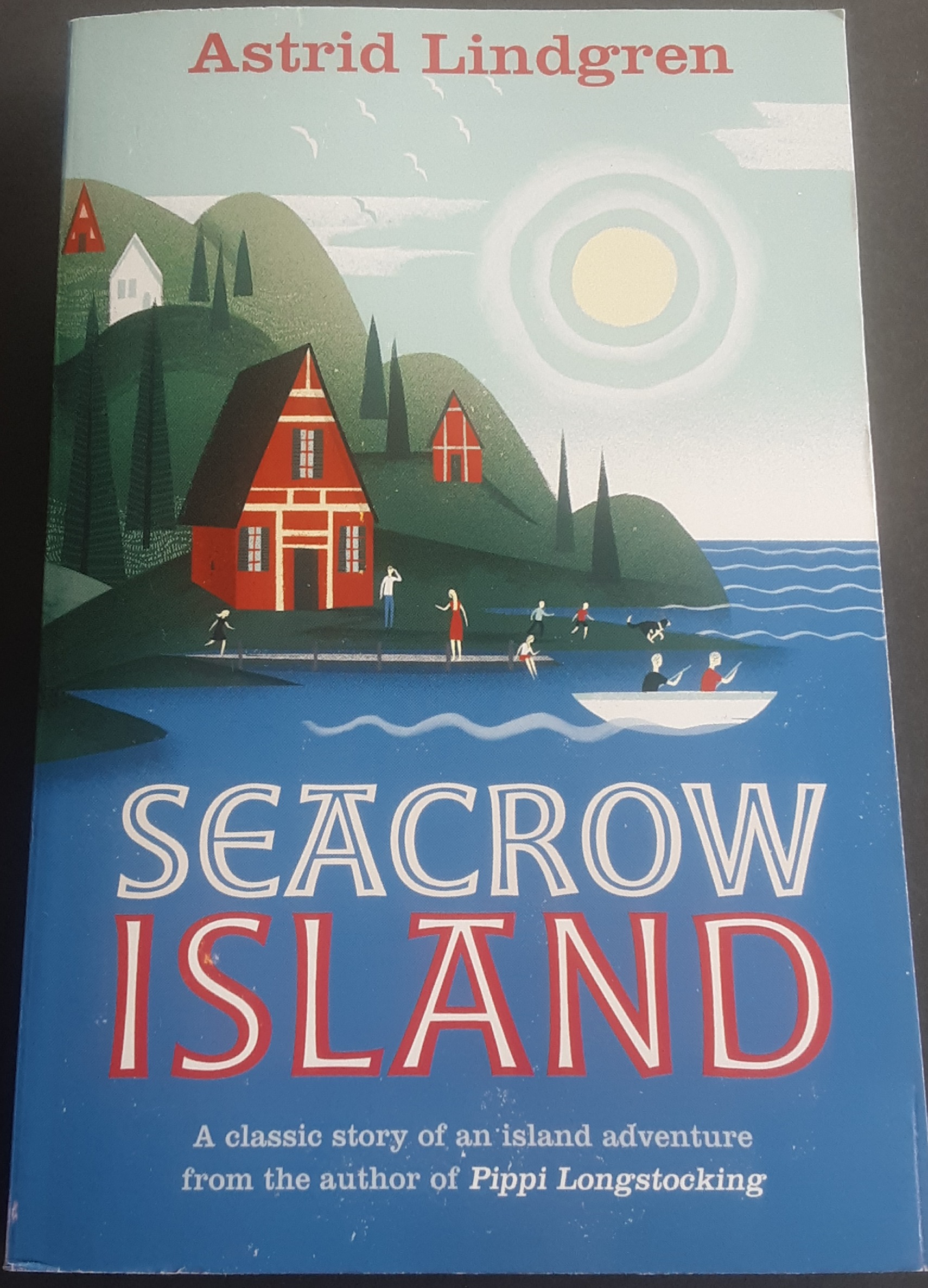
Seacrow Island by Astrid Lindgren. c1964. This edition published 2016 by Oxford University Press

The author’s words:

“If you go down to the quay in Stockholm on a summer morning and see a little white boat called Seacrow I lying there, that is the right boat to take and all you have to do is to go on board…….She crosses wide expanses of open water and steams through narrow channels, past hundreds of green islands and thousands of grey, bare rocks. She does not go fast and the sun is low when at last she reaches the quay at Seacrow Island. She has no need to go any further, for there is only the open sea beyond with its bare rocks and its islands where nobody lives except eider ducks, gulls and other sea birds.”

The Melkerson family is on their way to summer at a place they have never been before. Melker, the father, has rented a cottage sight unseen because he liked the name Seacrow Island. His family consists of Malin, his nineteen-year-old daughter and three sons, Johan, Niklas, and Pelle. Pelle is the youngest and he is seven. Will the unknown Carpenter’s Cottage turn out to be cozy? What is there to do on such a remote and quiet island? The Melkerson’s adventures are about to begin as they learn about sailing, fishing and the wildlife all around them. Ever since their mother died, the brothers hope that the young men who fall in love with Malin every quarter hour will not marry her and take her away. She is the support and heart of the family. New friends and interesting characters are always to be found in a story by Astrid Lindgren. This book has been a favorite in Sweden for generations of readers.

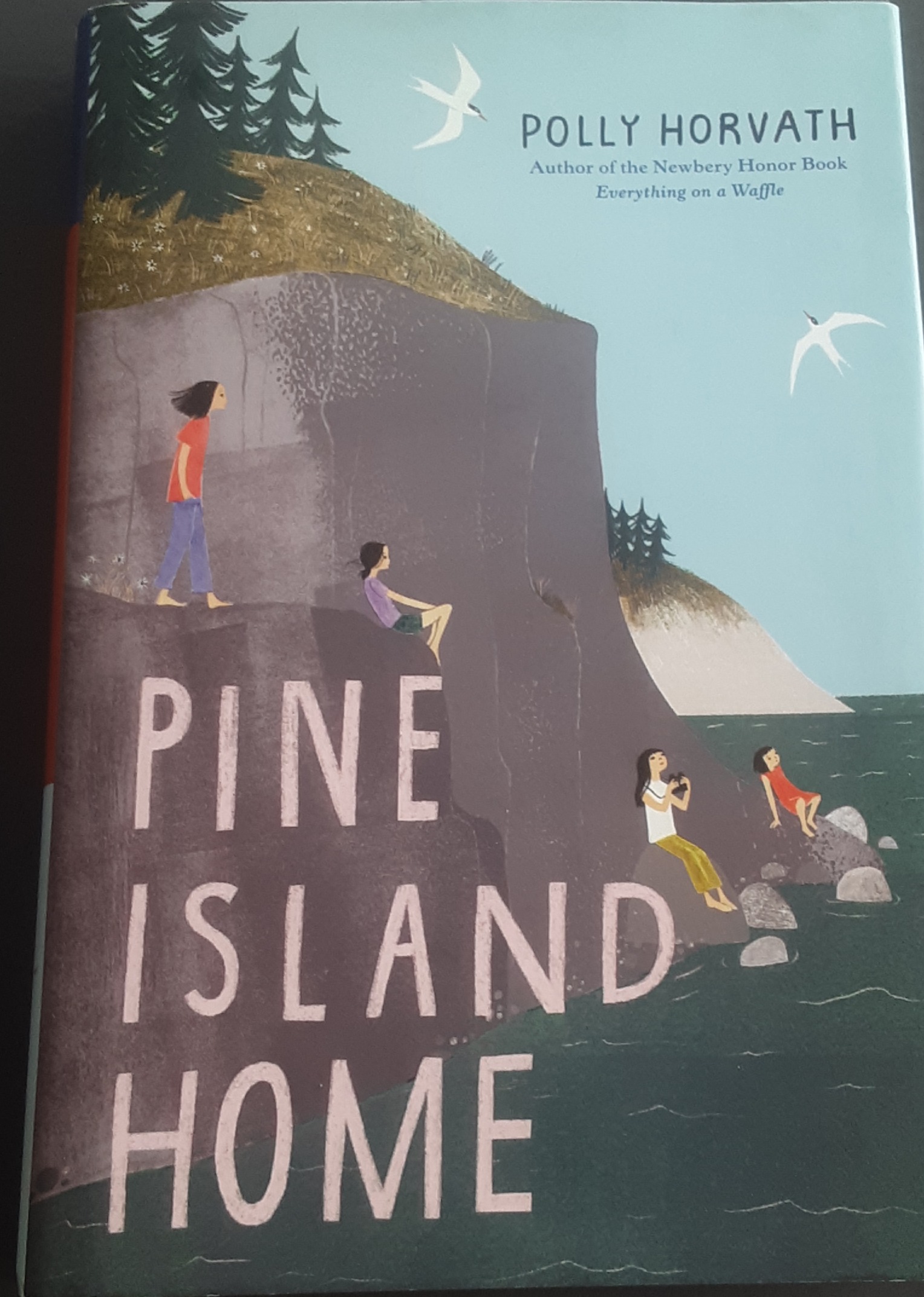
Pine Island Home by Polly Horvath. c2020 Holiday House

The adults in the lives of the McCready sisters have selfishly and thoughtlessly allowed themselves to be carried off by tsunamis and heart attacks, leaving the girls orphaned and alone. Fiona fourteen, Marlin, twelve, Natasha, ten, and Charlie, eight, have been raised in a missionary family and have learned to adjust to living in all sorts of places, but now they face new challenges at their Aunt Martha’s farm on an island in British Columbia, Canada. Fortunately Aunt Martha left them the farm, money, and a kitchen fully stocked with food, and even enrolled them in the local schools. The sisters are determined to hide the absence of a responsible adult from Social Services because they fear being separated. After all they have been through, that would be unendurable.

The McCready girls are a match for difficulties that would defeat less talented and intelligent children. Fiona makes a deal with cranky neighbor Al Farber to pose as their guardian in exchange for hot homecooked meals prepared by Marlin who is quickly becoming a proficient cook. The story of how the girls learn to cope is the main theme of this story, the island location is secondary. Helpful adults do turn up, and the strong bond between the sisters is reassuring. Tune in to the sequel, “Pine Island Visitors” for more Polly Horvath magic.

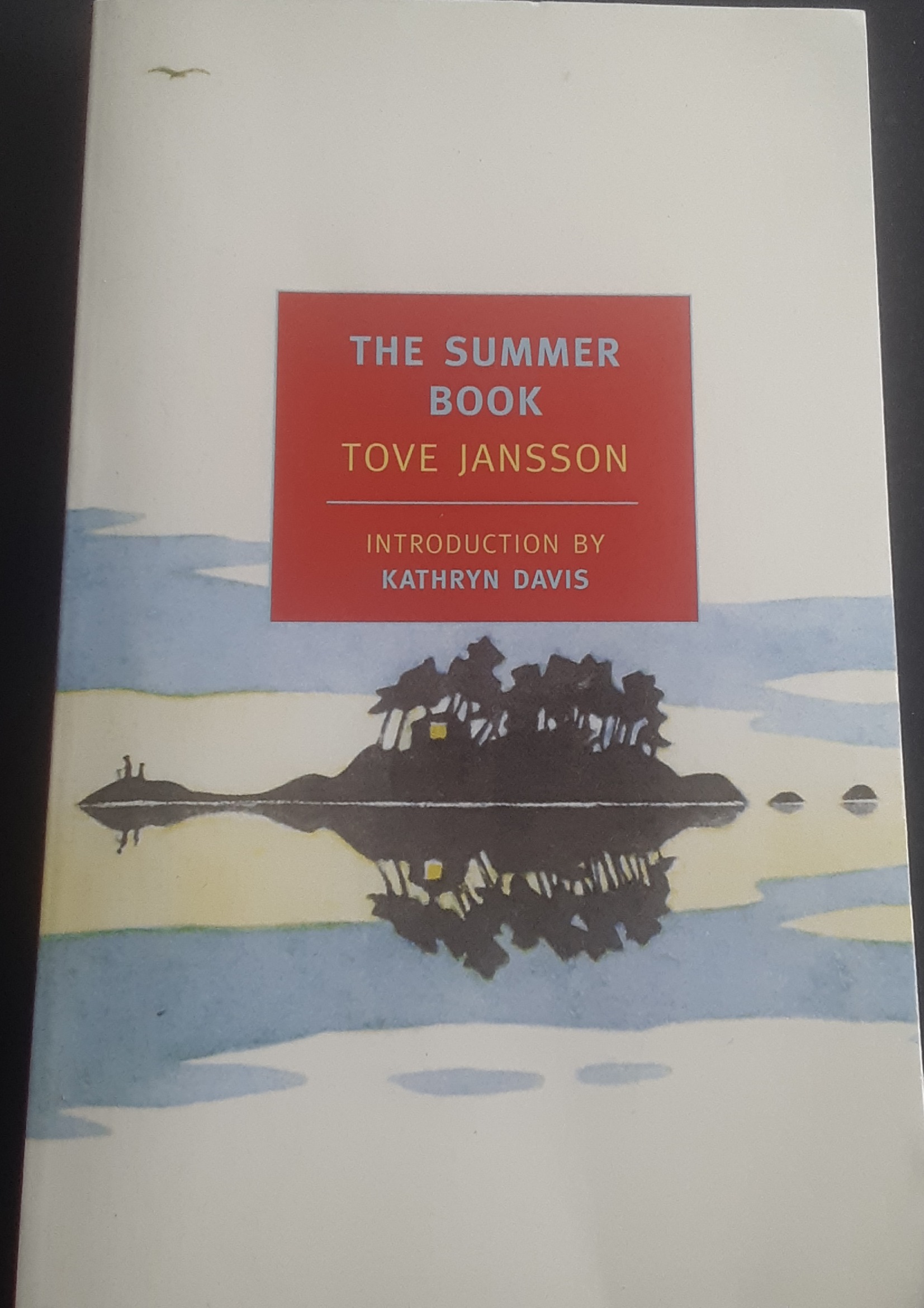
The Summer Book by Tove Jansson c1972 This edition published by The New York Review of Books in 2008.

This one is for the grown-ups. The setting is a tiny island in the Gulf of Finland. Six-year old Sophia, her father and grandmother are sharing a small cottage for the summer. There is no plot to follow, just the passage of a season on the island. Each chapter is a slice of life episode with weather, nature, an occasional visitor, and conversations between the child and her grandmother as the main events. Sound too quiet? Here are the authors words about a tremendous storm that broke as the family were fishing away from their own island:

“Papa broke the padlock on the door with a big stone. He did it to save his family. ……………….The walls of the house trembled steadily with the thundering of the sea, and it began to get cold. Spume from the breakers covered the windowpanes and ran over the sill and across the floor. Every now and then Papa would get up and go out to see to the boat.

The seas breaking against the sheer outer side of the island had grown. One after another, the waves rose up in their white immensity to a tremendous height, and foam hissed against the rocks like the blows of a whip. Tall curtains of water flew across the island and sailed on west. The storm was titanic!”

Islanders do not always welcome those who build large new houses that mar the view. Here are the author’s words when Sophia and Grandmother get caught checking out the new neighbor’s island and are invited in:

“Don’t look so cross,” Grandmother whispered. “This is socializing and you have to learn how to do it.” Malander came back with bottles and glasses and put them on the table. “Cognac, he said. “And whiskey. But I’m sure you’d rather have a lemonade. “I’m very fond of cognac,” Grandmother said. “A small glass and no water, thank you. Sophia? What would you like?”

“The other!” Sophia hissed in her ear. “Sophia would prefer a lemonade.” Grandmother said, and thought: We’ve got to teach her some manners. We’ve made a mistake. She has to spend more time with people she doesn’t like, before it’s too late.”

Sophia and her Grandmother talk about life, death, heaven, hell, and what happens when an angleworm gets cut in half. They build a miniature Venice, trade a cat that kills birds for a boring, soft lap cat, and have arguments. You are given the flavors, scenery, and essence of a Northern Island to dwell in and remember after this slim book ends. I recommend a second reading, maybe more.

In the High and Far-Off Times… The Elephant’s Child

” The Elephant’s Child” from ” Just So Stories” by Rudyard Kipling originally published 1902. This edition Puffin Classics c2016

The Author’s Words:

“By and by, when that was finished, he came upon Kolokolo Bird sitting in the middle of a wait-a-bit thorn bush, and he said, ‘My father has spanked me, and my mother has spanked me; all my aunts and uncles have spanked me for my ‘satiable curiosity; and STILL I want to know what the Crocodile has for dinner!’

Then Kolokolo Bird said, with a mournful cry, ‘Go to the banks of the great grey-green, greasy Limpopo River, all set about with fever-trees, and find out.’ “

The Elephant’s Child had only a short, blackish, bulgy nose, and he left an untidy trail behind him of items he dropped because he had no way to pick things up. How he meets a crocodile and is given a new, much more useful appendage is a favorite Just So tale.

For richness of language, Kipling is your man. Has anyone enjoyed playing with words or reveled in the sounds of words more? “The Elephants Child” is fantastic fun to read aloud. Kipling’s words roll off the tongue, and adhere to the brain. I have had “The great grey-green, greasy Limpopo,etc.” phrase floating around in my mind since I first heard the words read aloud by my fifth-grade reading teacher. With a Kipling-enhanced brain, one can drift away to wonder what fever-trees look like and imagine the Bi-Coloured-Python-Rock-Snake and his scalesome, flailsome tail. There are picture book versions of this story, but perhaps something is lost if the listener is distracted from the charm and inventiveness of the language.

Reading the “Just So Stories” is reading for the ear. The listeners you share them with are introduced to poetry, exotic words and locations, and of course, all the fabulous origin stories. Try “The Sing-Song of Old Man Kangaroo” and “The Cat Who Walked by Himself”… “The wildest of all the wild animals was the Cat. He walked by himself, and all places were alike to him.”