Leaving Home, Going Home, and Flying Away.

Three Adventures from the overloaded shelves…

Leaving Home
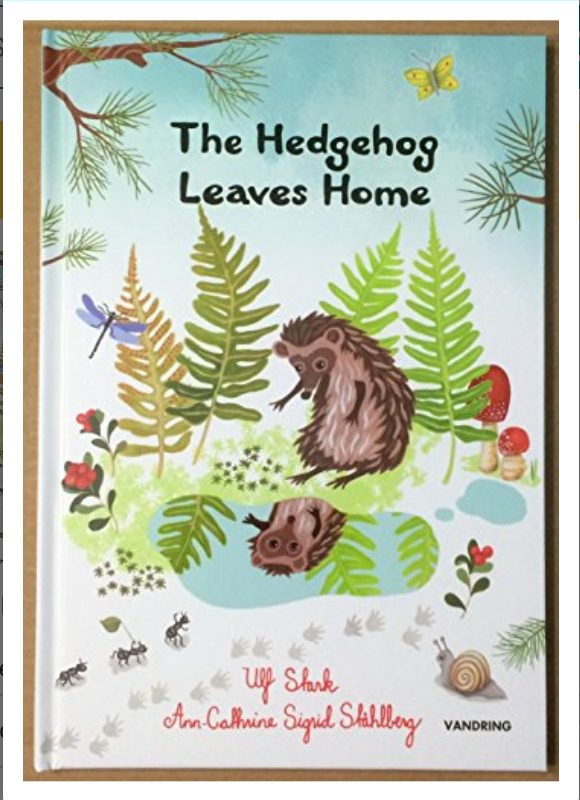
The Hedgehog Leaves Home by Ulf Stark Illustrated by Ann-Cathrine Sigrid Stahlberg c 2011 by IKEA Family / Vandring

It is always a bit embarrassing to discover an author new to you who has written 30 or more books, but it is also good news if you find you like what they write. Ulf Stark is new to me this year. I think his voice is uniquely down-to-earth and engaging. Listen to his words as he starts off Hedgehog’s story:

“All of a sudden, fall arrived. The leaves on the trees turned yellow and red. Mushrooms pushed up and out of the ground. And it grew colder day by day.

“You are big enough to make your own way in the world now,” said the hedgehog’s mommy, giving him a kiss. “Just watch out for all the dangers in the big wide world.”

“I will,” said the hedgehog.

“And learn as much as you can.”

“I will,” said the hedgehog. And off he set into the forest to find a place to sleep for the winter.”

The story is simply launched, and young hedgehog begins to learn useful things along the way to growing up. He learns that rolling down a hill is fun. He learns which foods are safe to eat and to his taste, and that swimming is not for him. He learns to watch out for foxes, but that there are friends out there who will help you. This is a gentle and encouraging story for any young growing-up people in your household.

Going Home
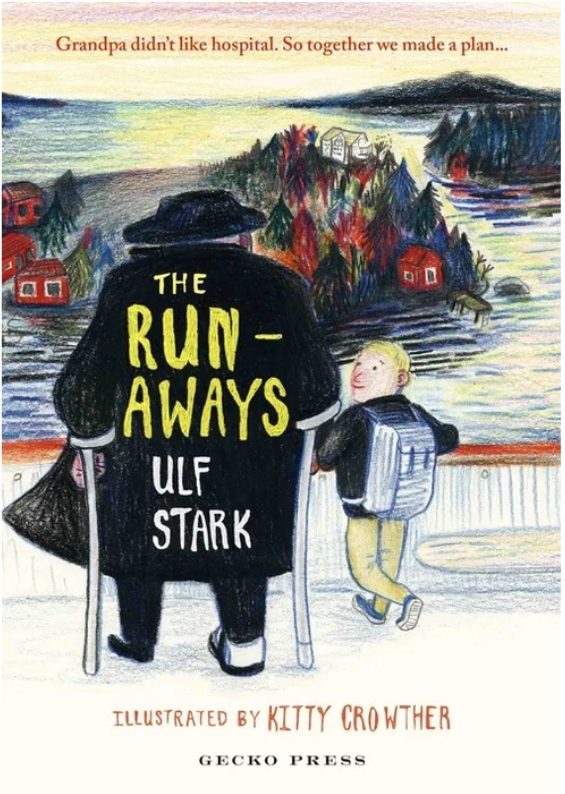
The Runaways by Ulf Stark Illustrated by Kitty Crowther c2018 Gecko Press : Wellington, New Zealand

Gottfried Senior is in the hospital and he is not pleased in the least. He is difficult, spits out the pills to make him calm, and yells at the nurses. The author’s words:

“I’m shut in here like an animal!” he shouted. “What do you think I am? An ape?”

His face turned bright red and he swore, so Dad and I had to cover our ears. Dad thought I didn’t need any more swear words than the ones I already knew. I disagreed.”

All that Grandpa senior wants is to make one last trip to the house where he shared so many happy years with his wife. His grandson, Gottfried Junior, is the only one willing to help Grandpa get his wish.. He hatches an elaborate plan, which includes deceiving his parents into thinking he is attending football practice and finding an accomplice to supply an adult voice and pose as a football coach. Young Gottfried does ask the question, “Was it wrong to lie when it made everyone happy?”

This is not a story to encourage children to run away from home and use unacceptable language. The Runaways is about having grandparents who might be difficult and some reasons why, without TOO many specific details. Running away or lying to your family are usually not the best choices, since the author warns, “You have to think of everything!” This is an honest and gently humorous book that helps with understanding and being ready when it is time to say farewell to a beloved grandparent.

Flying Away

The Land of Green Ginger by Noel Langley Illustrations by Edward Ardizzone c1975 This edition published by David R. Godine : Boston c2007.
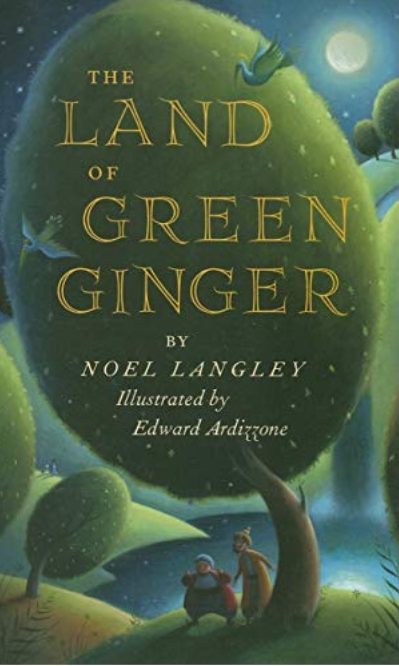
The Land of Green Ginger is a magical floating island, “sprinkled with ginger trees laden down with branch upon branch of sparkling sugar-coated green ginger; and big bright beauteous flowers grew out of the soft velvety grass, and water-lilies floated on a cheerful little hubblebubbling stream. It was all charmingly rural. No bits of paper, no empty bottles, no initials carved on the tree trunks. You cannot imagine such natural wonders, gentle reader; you must simply take my word for it.”

Abu Ali, The son and heir of Aladdin, the Emperor of China, could talk as a day-old baby and upset the Queen Mother, who thought she heard herself referred to as a Button-Nosed-Tortoise. “I understand you called the Queen Mother a Button-Nosed-Tortoise?” inquired the Emperor.

“That’s not quite true,” replied the Son and Heir politely, “I only said she had a Face Like One.”

Abu Ali does turn out to be a well-mannered young man destined to search for the Land of Green Ginger, reverse the spell on a magician who accidentally turned himself into a button-nosed-tortoise, and rescue the beautiful Silver Bud from an unhappy marriage. Of course the Genie of the Lamp appears in the story, along with a flying carpet and various helpful and a few crafty characters with bad intentions. Noel Langley’s sparkling comedic retelling makes this a wonderful story to read aloud. Mr. Langley co-wrote the screen play for The Wizard of Oz movie we all know and love. This book is really, really funny and you can hear the same tone and dialogue that helped make the movie a classic.

I have a copy of Langley’s Desbarollda the Waltzing Mouse, also illustrated by Edward Ardizzone. The writing is exquisitely witty. Edward Ardizzone seems to have done the pictures in so many beloved books. His drawings are sprinkled throughout The Land of Green Ginger and add much to the enjoyment. For anyone over age nine!
A Pile of Picture Books For Ages 3-5

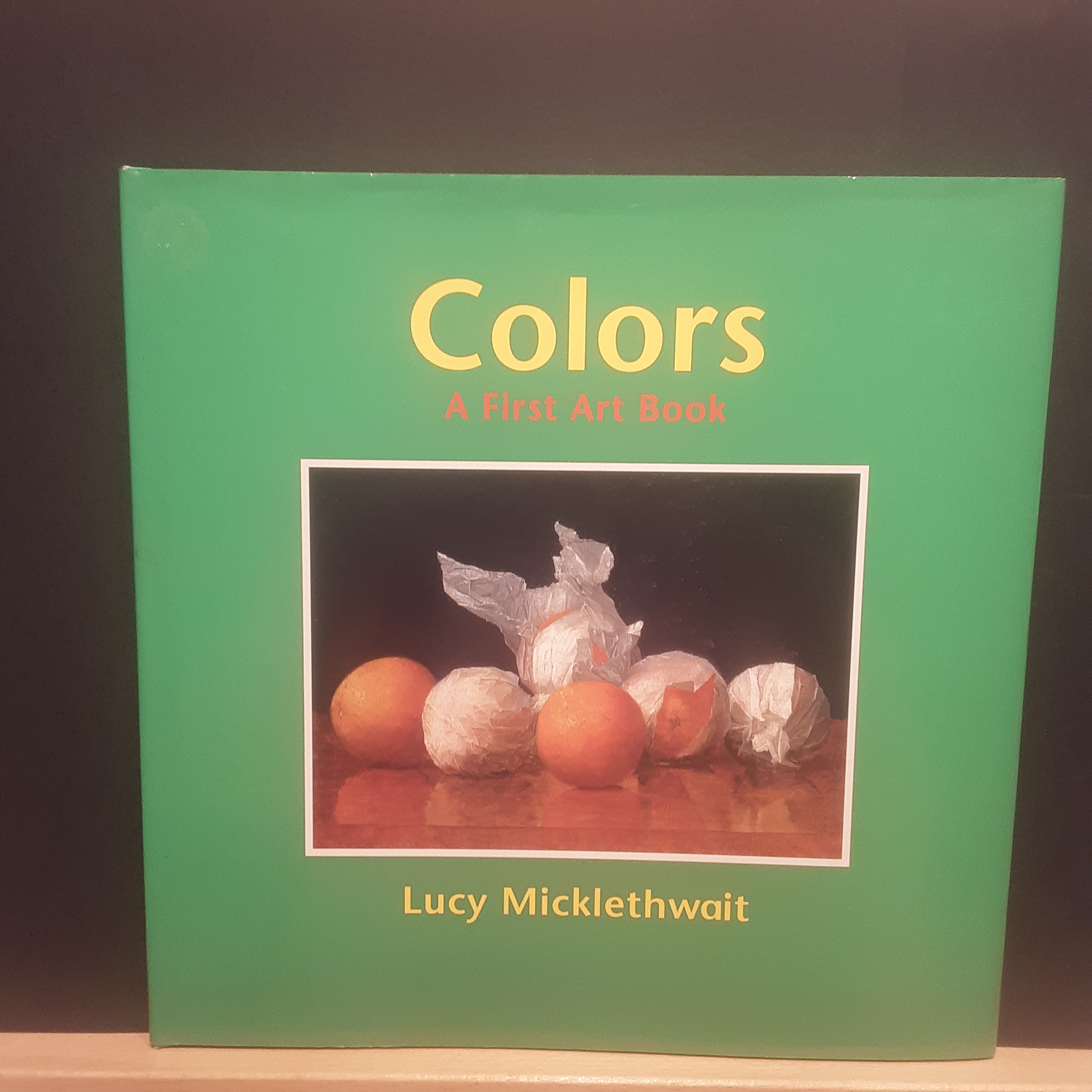
Colors: A First Art Book by Lucy Micklethwait c2005 by Frances Lincoln Limited : London

It is going to be very hot here today, and the city recommends the libraries as a good place to cool off. Can’t think of a better thing to do than bring out some picture books and settle in for the afternoon. I use age guidelines loosely, as I enjoy a good picture book and it has been a very long time indeed since I was in Mrs. Cook’s kindergarten room. The titles today will eventually be on Book List #2 as a page. Preschool picture books should be eye catching, have few or, in the case of this first title, no characters. There should be repetition, a rhythm to the story, and simple themes. Color books, ABC books, Counting Books, all are welcome, and books that the child can enjoy quietly and alone will build attention spans and prepare the way for reading. Let’s get started…..

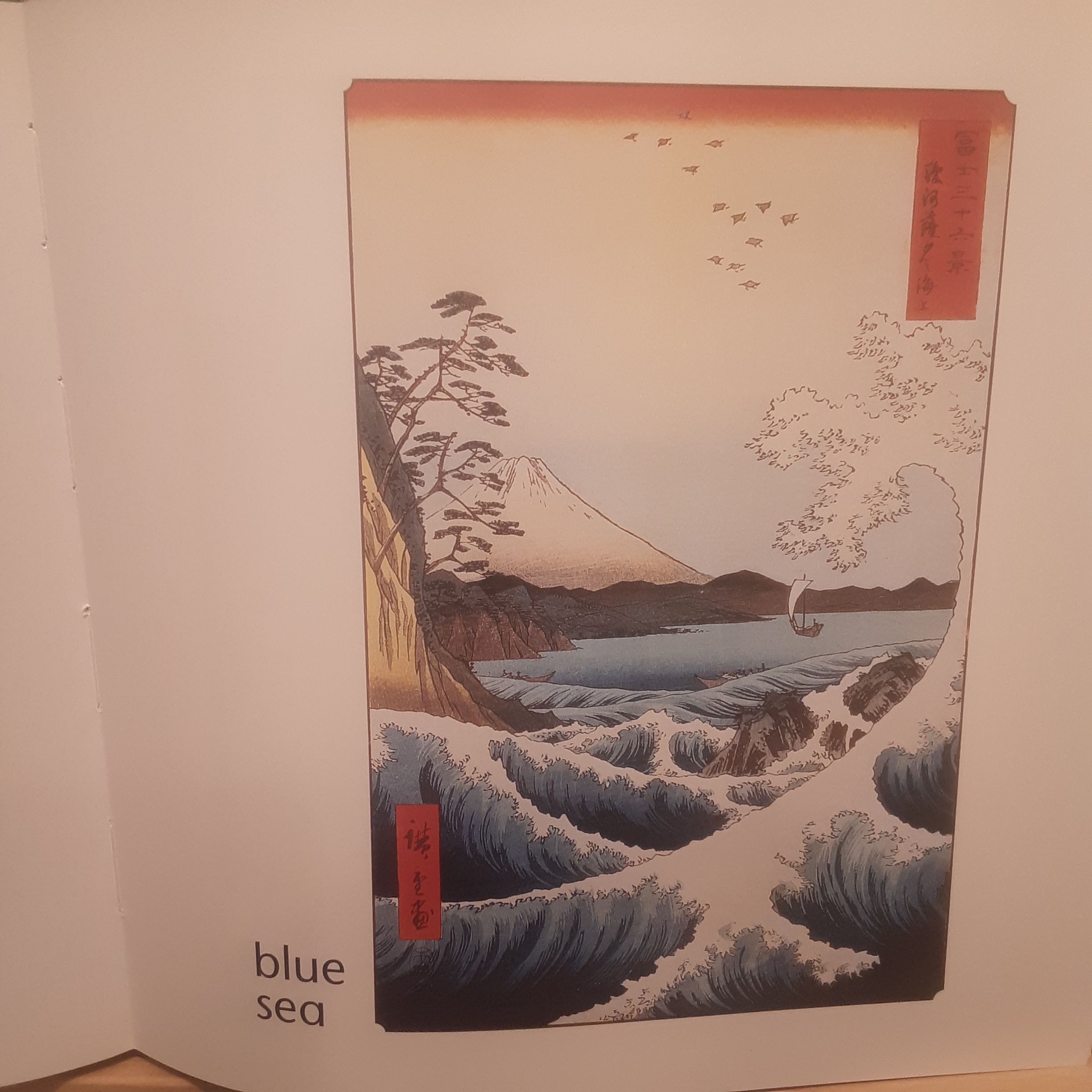
In Lucy Micklethwait’s book children are introduced to colors through works of art. After your child has identified the colors in the paintings, a conversation could start about the painting. What is going on in the picture? Who are the people? How would that fruit taste? What sound does that owl make? What other things are yellow?

View from Satta in Suruga Province by Ando Hiroshige (1797-1858) Woodblock Print

A picture list is included at the end of the book. Lots to see here!

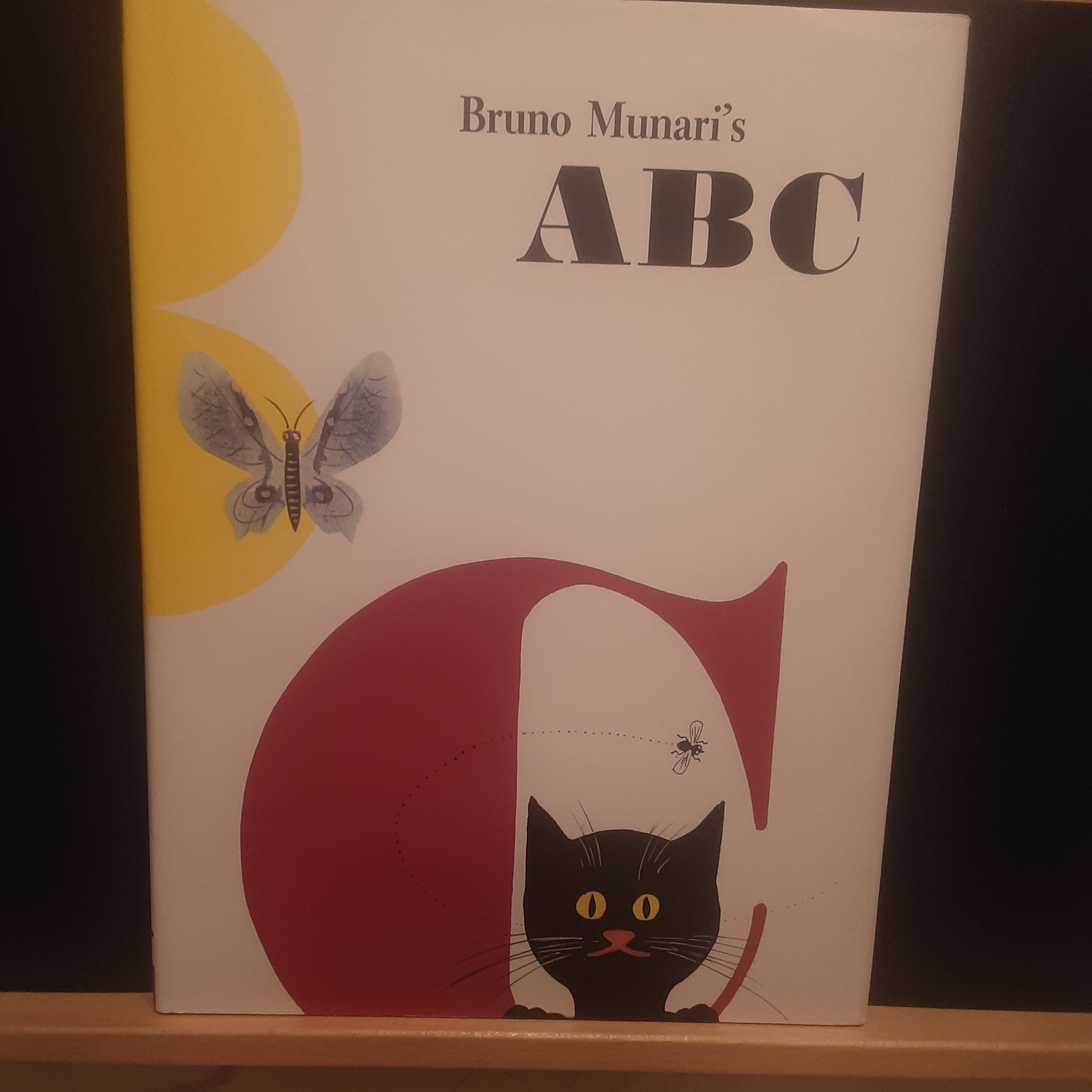
Bruno Munari’s ABC by Bruno Munari c1960 This edition published 2006 by Chronicle Books : San Francisco Bruno Munari’s Zoo by Bruno Munari c1963 This edition published 2005 by Chronicle Books : San Francisco

These two oversized picture books by Italian graphic designer Munari bring bold art and humor home to roost. In the ABC book, The page for L depicts a simple green leaf, a long leaf, and a little leaf, and a bright, large lemon. V shows us a Vertical, Violet, Violin with a tiny fly on a Voyage. The illustrations are double-page spreads with plenty of white space around the objects. In the Zoo book, birds are shown seeking shelter from the rain under a double-wide elephant. An arrow sign directing the zoo visitor to the birds points up. There are signs for the monkeys, flamingos, snakes, and ferocious animals. Readers are told that the humpy camel has a seat for them, a spiky porcupine loses himself among equally spiky grasses. Both books are a delight to peruse and will enjoy many return visits from your youngsters.

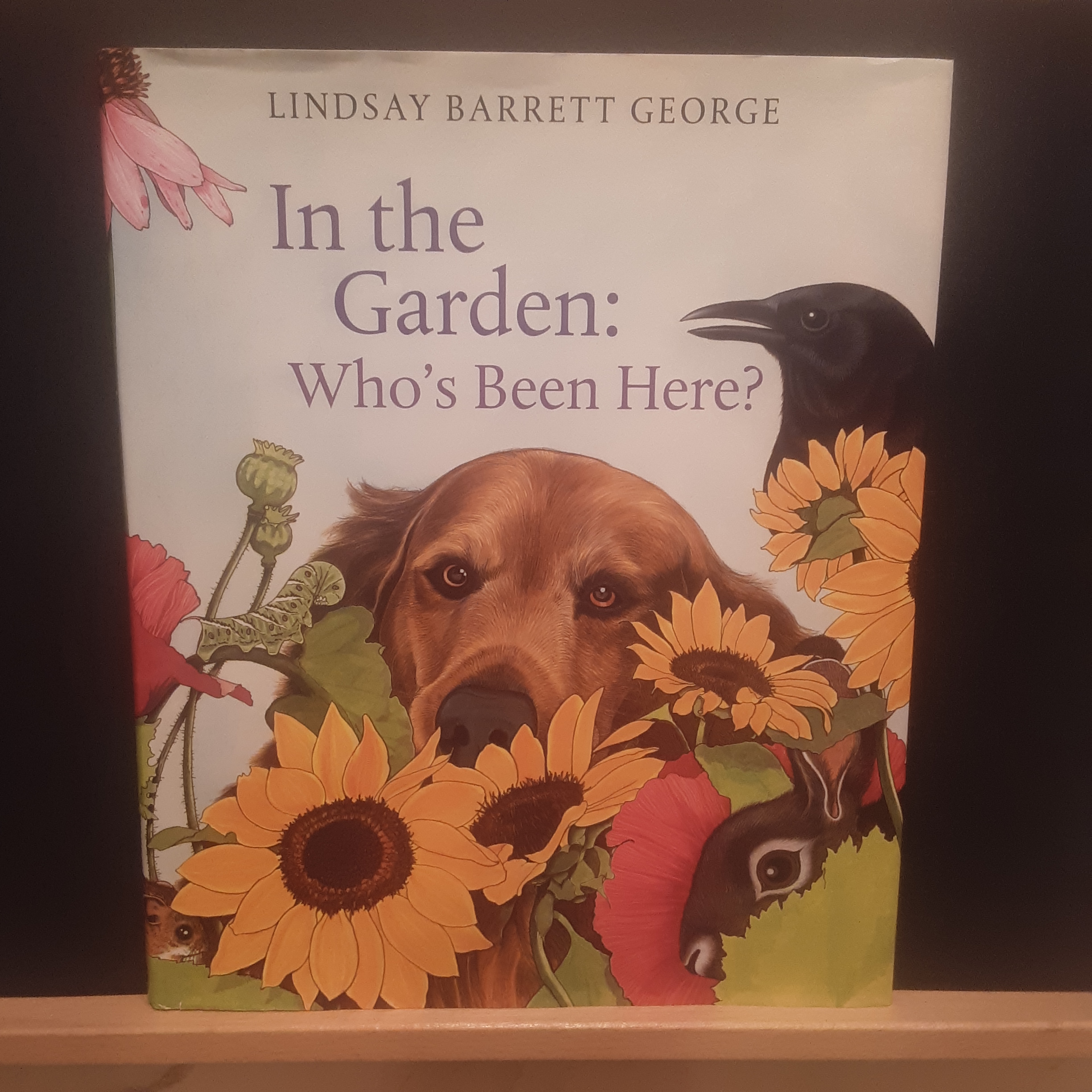
In the Garden: Who’s Been Here? by Lindsay Barret George c2006 HarperCollins Children’s Books : New York

Two children are sent to the garden by their mother to pick vegetables on a moist summer morning. A walk down the row of tomato plants reveals a nibbled leaf. Readers turn the page to find that a tomato hornworm is the culprit. A crow has been pecking kernels of corn, and a woodchuck has found the carrots. This large format book is a colorful introduction to the garden and its critters. An information page at the back gives a few facts about each animal or insect mentioned in the text. Read this before a visit to your local farmers market.

Blueberries for Sal by Robert McCloskey c1948 The Viking Press : New York

The blueberries are ripening as we speak, and youngsters are looking forward to hearing the kuplink, kuplank, kuplunk of the berries landing in their tin pails. You know this classic summer story about Sal and Little Bear who both love blueberries. July is the time to share this book with somebody, perhaps with some blueberry pie or muffins on the side.

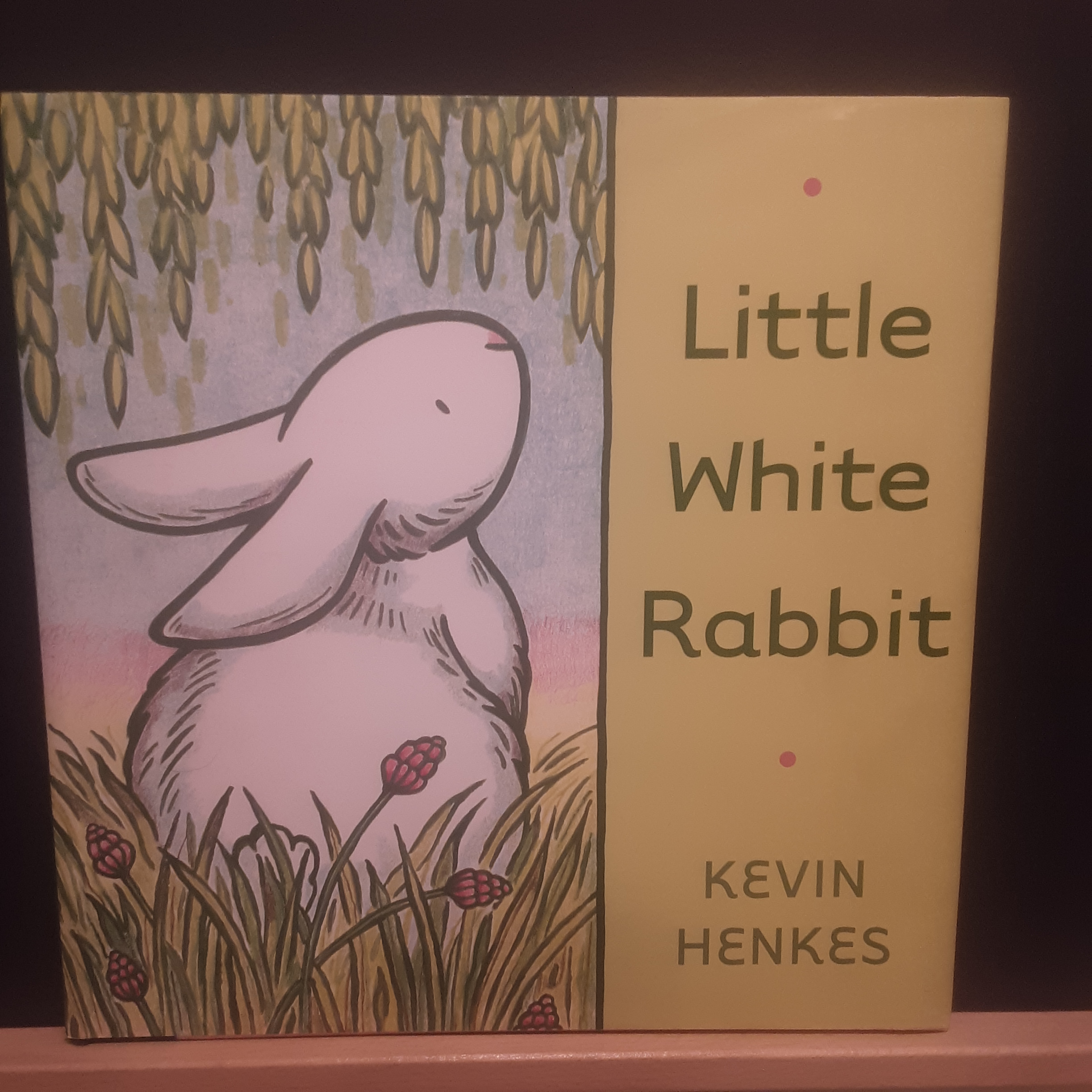
Little White Rabbit by Kevin Henkes c2011 HarperCollins : New York

As little white rabbit hopped along he wondered what it would be like to be green like the grass, or tall like a fir tree. He wondered what it would be like to be still like a rock, unable to move. This very short and simple story is perfect for the youngest listener, and joins many other titles by Kevin Henkes who understands story time very well. If you visit his website at kevinhenkes.com you can hear him read aloud to children.

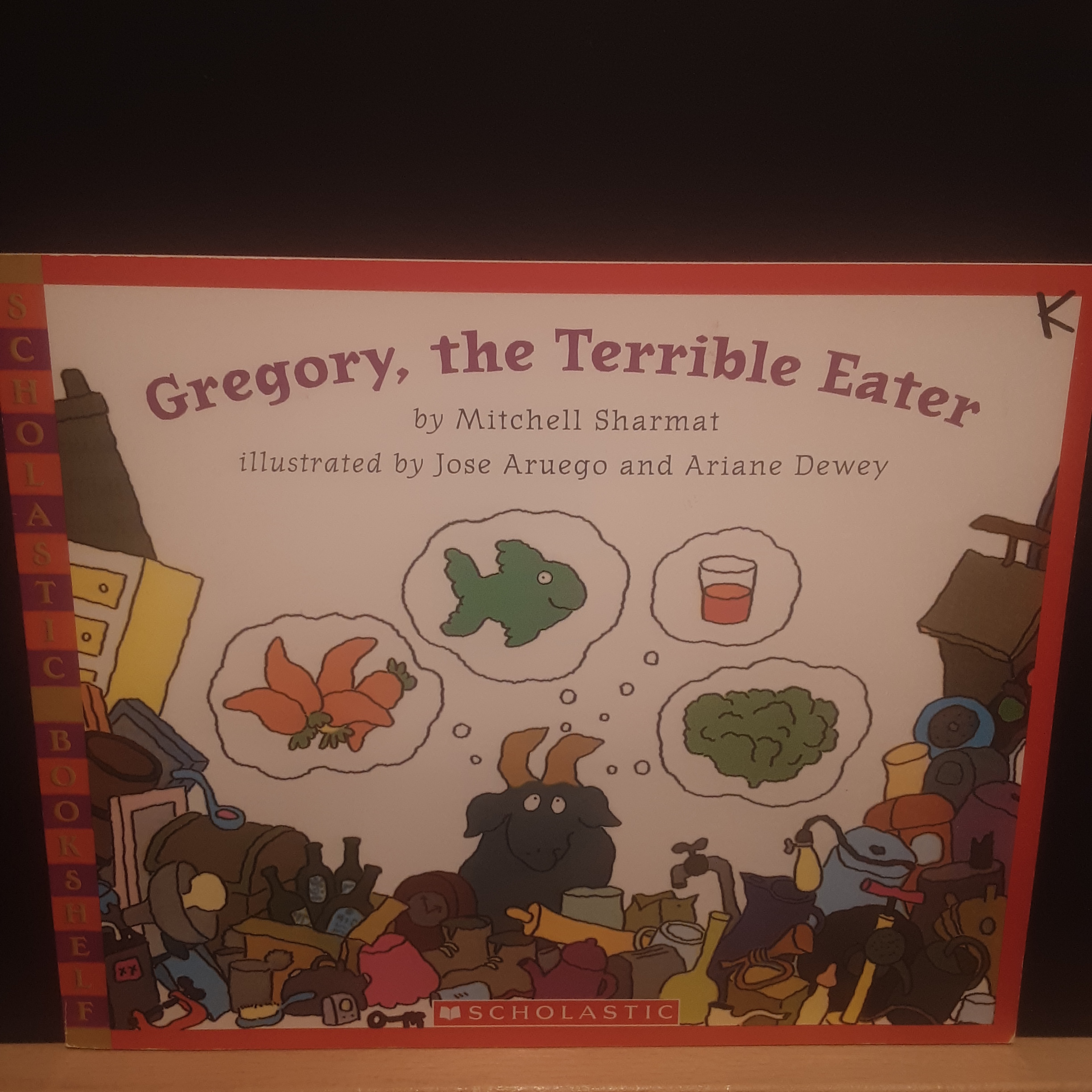
Gregory, the Terrible Eater by Mitchell Sharmat Illustrated by Jose Aruego and Ariane Dewey. c1980 Scholastic Inc.: New York

Gregory the goat’s parents think he is a fussy eater. Here are the author’s words:

“I’m not fussy,” said Gregory.”I just want fruits, vegetables. eggs, fish, bread, and butter. Good stuff like that.”

Mother Goat stopped eating the shoe. “Now what kind of food is that, Gregory?” she said.

“It’s what I like,” said Gregory.

“It’s revolting,” said Father Goat. He wiped his mouth with his napkin.

Can a bit of reverse psychology help cure a picky eater at your house? My kindergarten students loved hearing about Gregory learning to try new things, like scrambled eggs with a side of waxed paper.

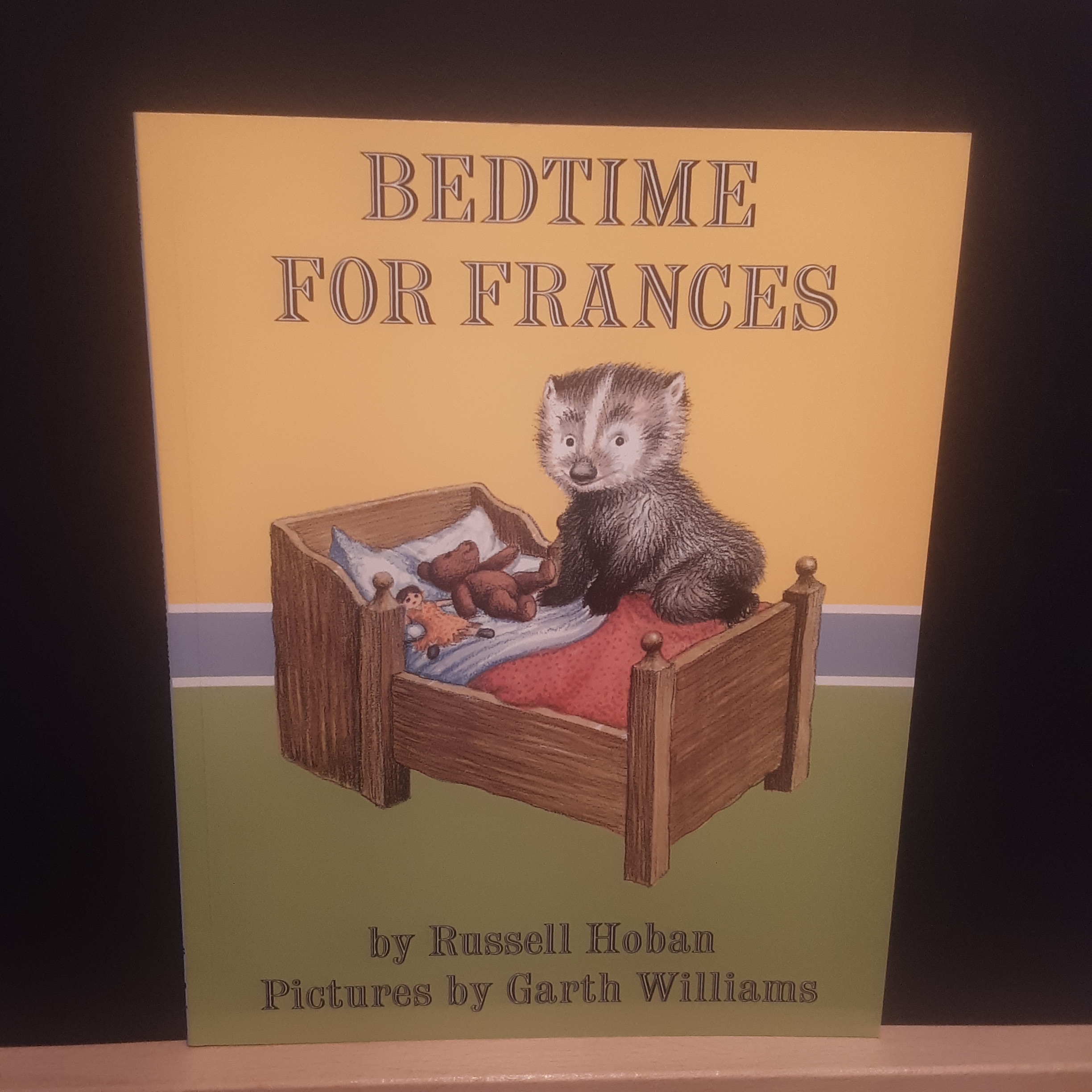
Bedtime for Frances by Russell Hoban with illustrations by Garth Williams c1960 HarperCollins : New York

What delaying tactics are employed when bedtime arrives at your house? Frances the badger knows them all. Longer summer days and warm weather are not conducive to snuggling down and getting to sleep. This bedtime classic will help with any fears of the dark for your not-sleepy-yets.

Mrs. McNosh and Friends—-Books to Share with Ages 3-5

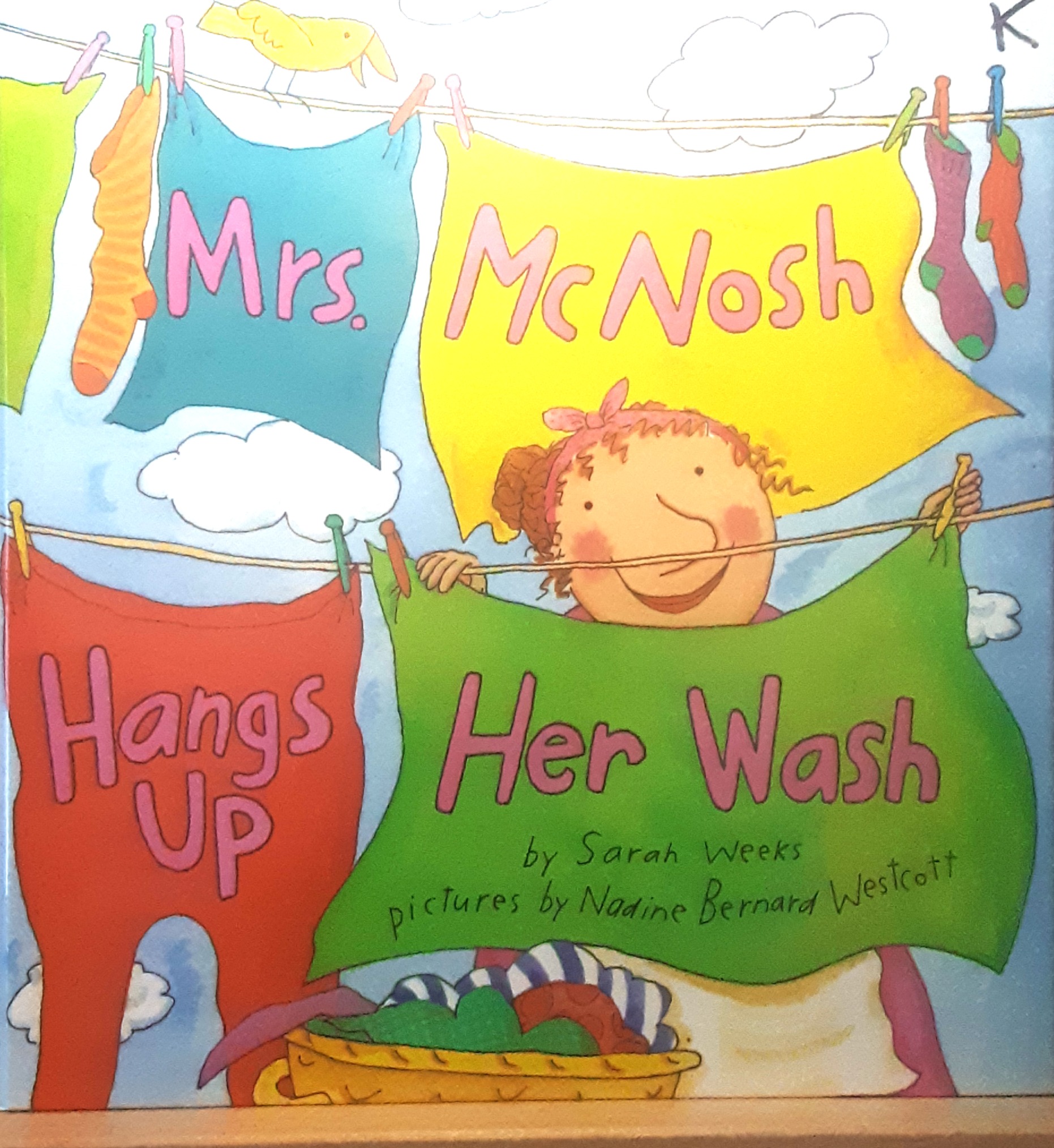
Mrs.McNosh Hangs Up Her Wash by Sarah Weeks with illustrations by Nadine Bernard Westcott c1998 Harper Collins

Here are a few books that four and five-year-old children enjoyed at story time. Most of them are suitable for younger children as well. My story programs with the four-year-old group lasted for 20 minutes and usually included some attention building nursery rhymes that might be sung or had accompanying actions. Today’s titles will appear on a longer reading list as a page soon, but with just the titles and authors, which should make it easy to print the list should anyone wish to. Picture books for older children will have their own lists, so stick around!

Mrs. McNosh does a big wash every Monday morning. Here are the author’s words:

“It takes her all morning, and when the sun’s high, she hangs what she’s washed on the clothesline to dry.”

Once Mrs. McNosh gets going there is no stopping her. All sorts of things besides laundry begin to appear. The dog, with his dish takes his place on the line, then a lamp, next two bats, which get hung upside-down. This brief, rhyming story will probably need to be read again because your audience will want more.

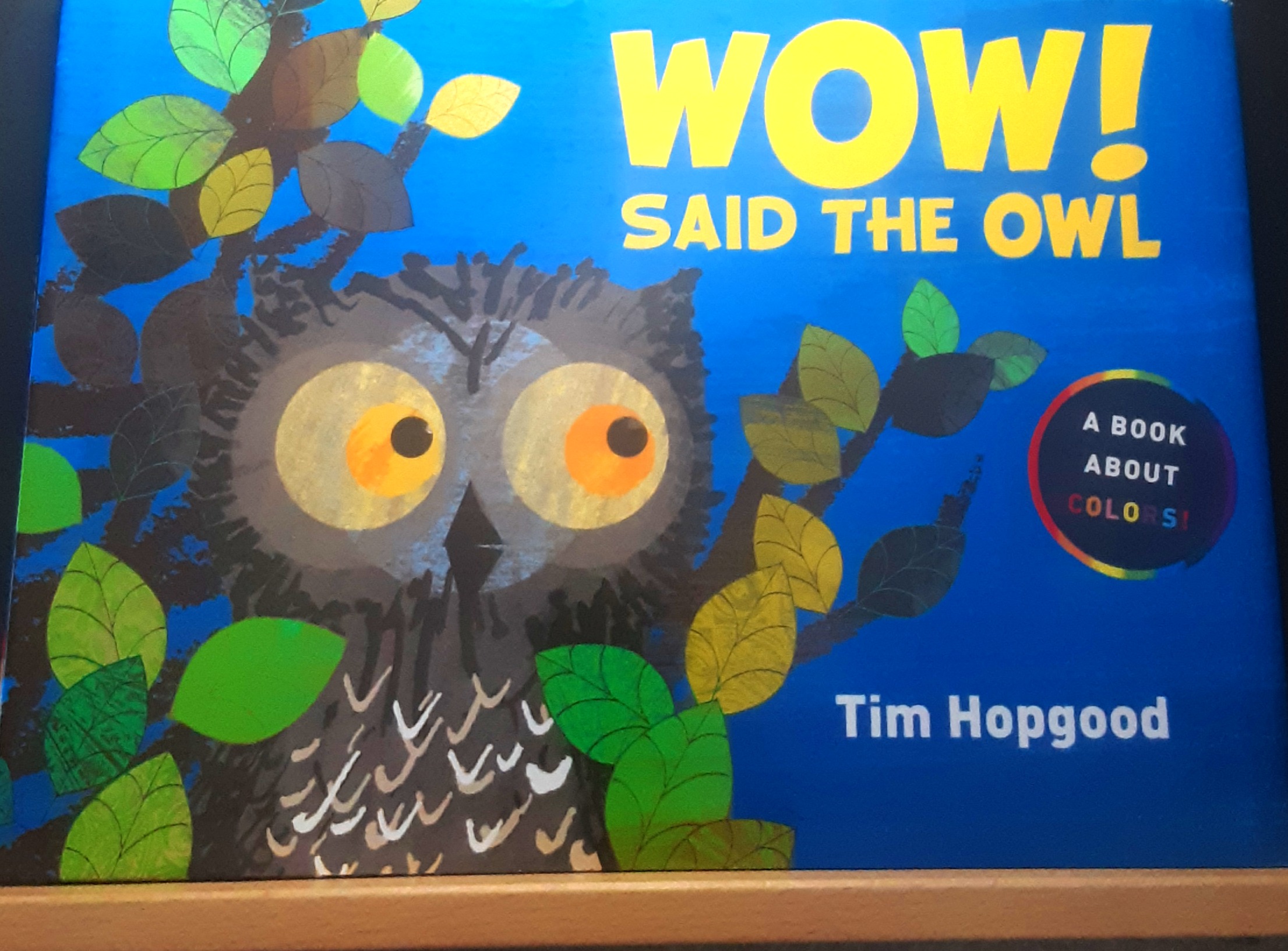
Wow! Said the Owl written and illustrated by Tim Hopgood c2009 Farrar, Straus and Giroux : New York

When a little owl decides to stay awake during the day, she experiences awe as colorful butterflies, green leaves, blue skies, and fluffy white clouds appear. The double page spreads in this book provide luscious expanses of bright color which just might elicit a “wow!” from viewers. Follow it up with a discussion of colors your audience has noticed indoors and out, and some paper and crayons.

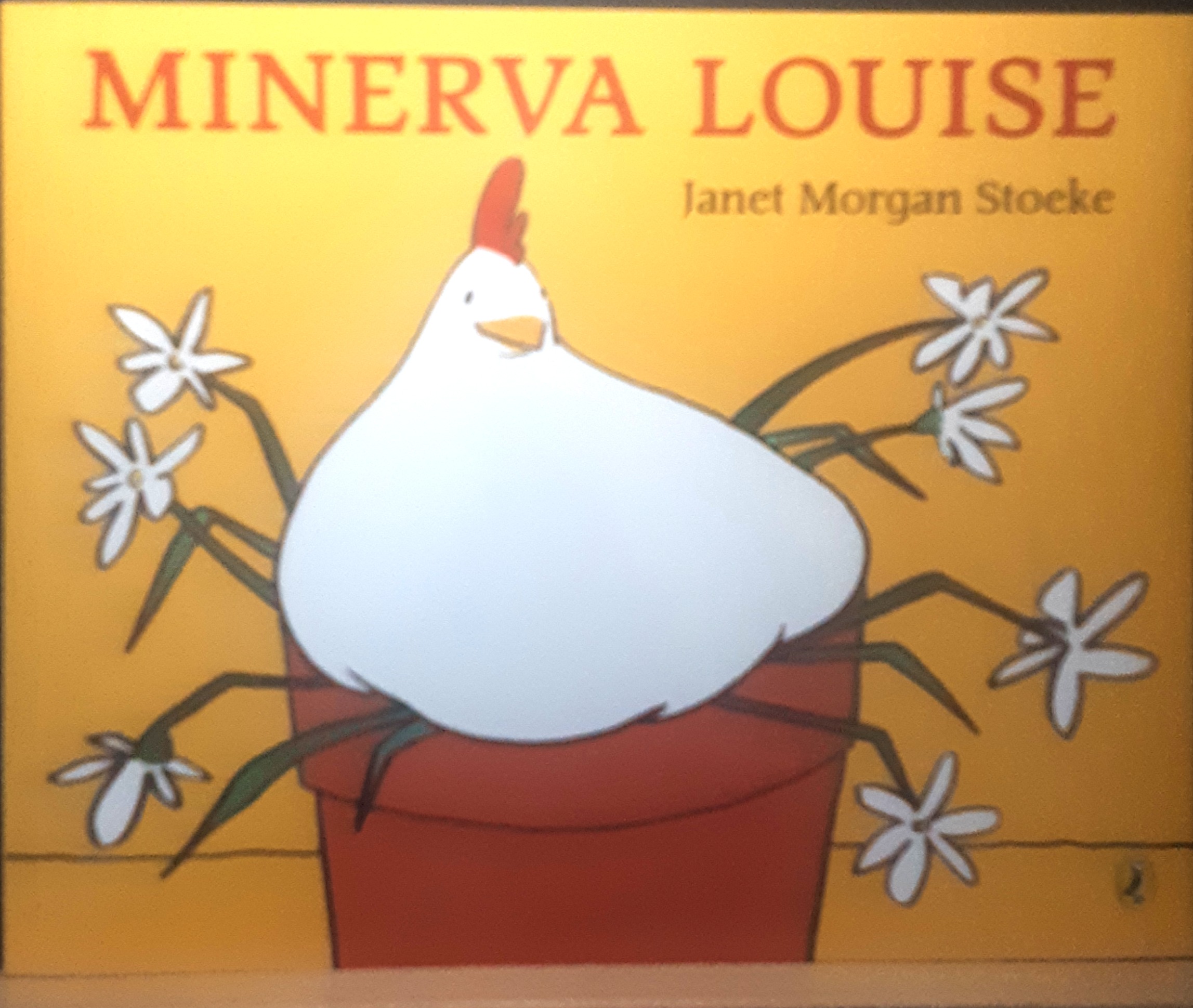
Minerva Louise written and illustrated by Janet Morgan Stoeke c1988 Penguin Young Readers : New York

Minerva Louise is a curious chicken. The house with the red curtains attracts her, so when a window is left open she decides to investigate. Since she is a creature of the farmyard, she is confused by some of the things found in a house. Could logs laid for a fire in the fireplace be a cozy nest? A tricycle looks like a tractor to Minerva Louise, and a flowered bedspread must be a meadow of flowers, that cat sleeping on the sofa could only be a cow…The large, simple pictures and brief text make this suitable for very young children. There are more stories featuring the adventures of Minerva Louise, and they are all just as funny and full of charm.

Life on the Island…Northern Style

Here are five books where the story takes place on a Northern island. There are no tropical breezes, only cool, blustery Atlantic weather and shorter days. It is time to think about summer reading, and these titles will help to while away quiet afternoons or evenings when the lawns are mowed, dishes are washed, and a book is just the thing. As every good fiction reader knows, characters that land on an island must be about to have an adventure, with or without pirates….

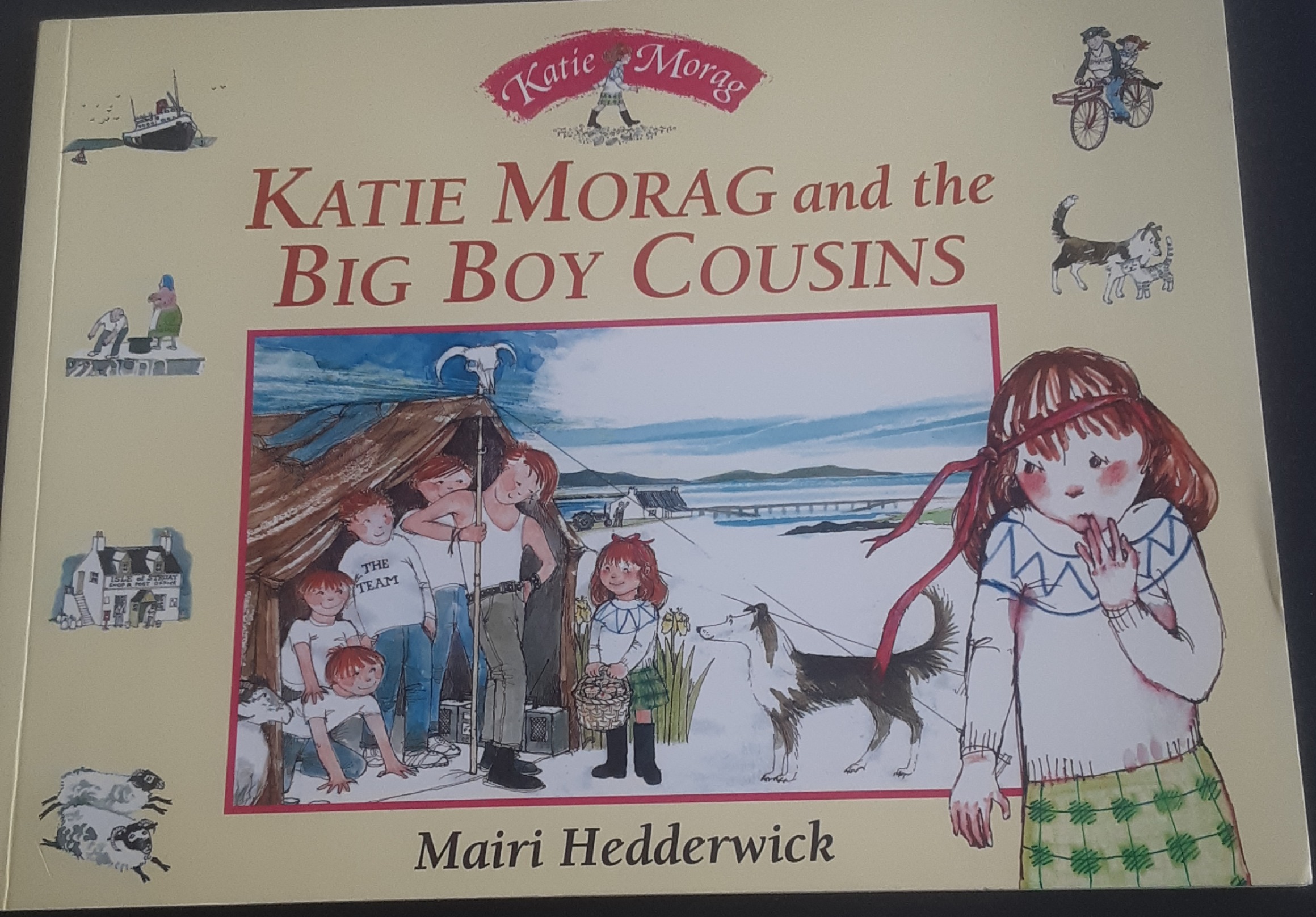
Katie Morag and the Big Boy Cousins by Mairi Hedderick c 1987 Random House Children’s Books : London This edition printed by Red Fox Books in 1999.

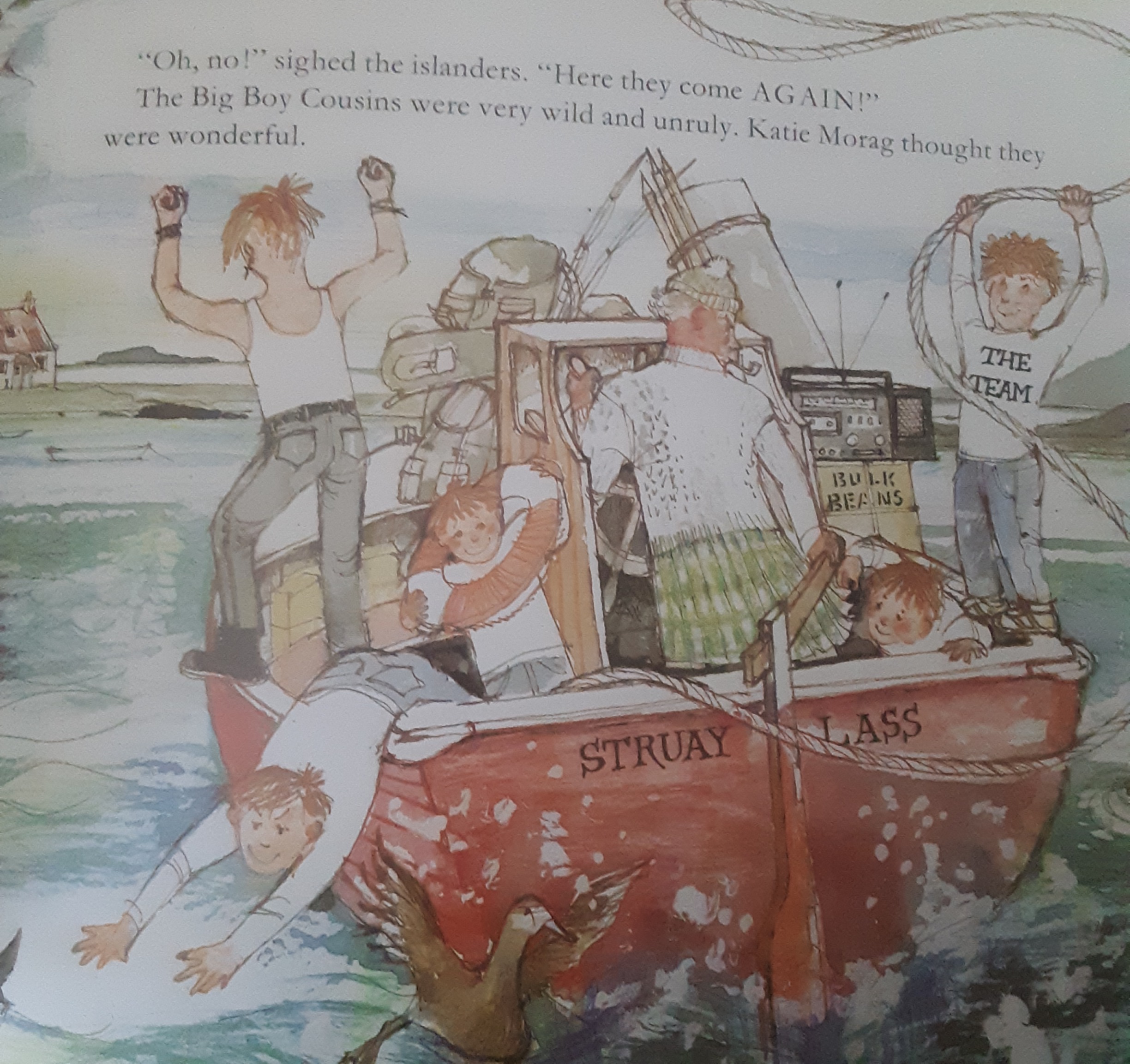
Katie Morag’s grandmother, who is known on the Isle of Struay, Scotland as Grannie Island, has invited a batch of Katie’s boy cousins for a visit. The cousins are full of mischievous pranks and out-of-bounds behavior that make the other islanders dread their annual appearance. Katie, however, is looking forward to some fun. How will Grannie Island handle this wild bunch?

Mairi Hedderwick paints the skies, sandy beaches, and small villages of an island in the Inner Hebrides for young readers. The Isle of Struay is based on the actual Isle of Coll. There are more adventures with Katie Morag to be had for readers ages 5-9.

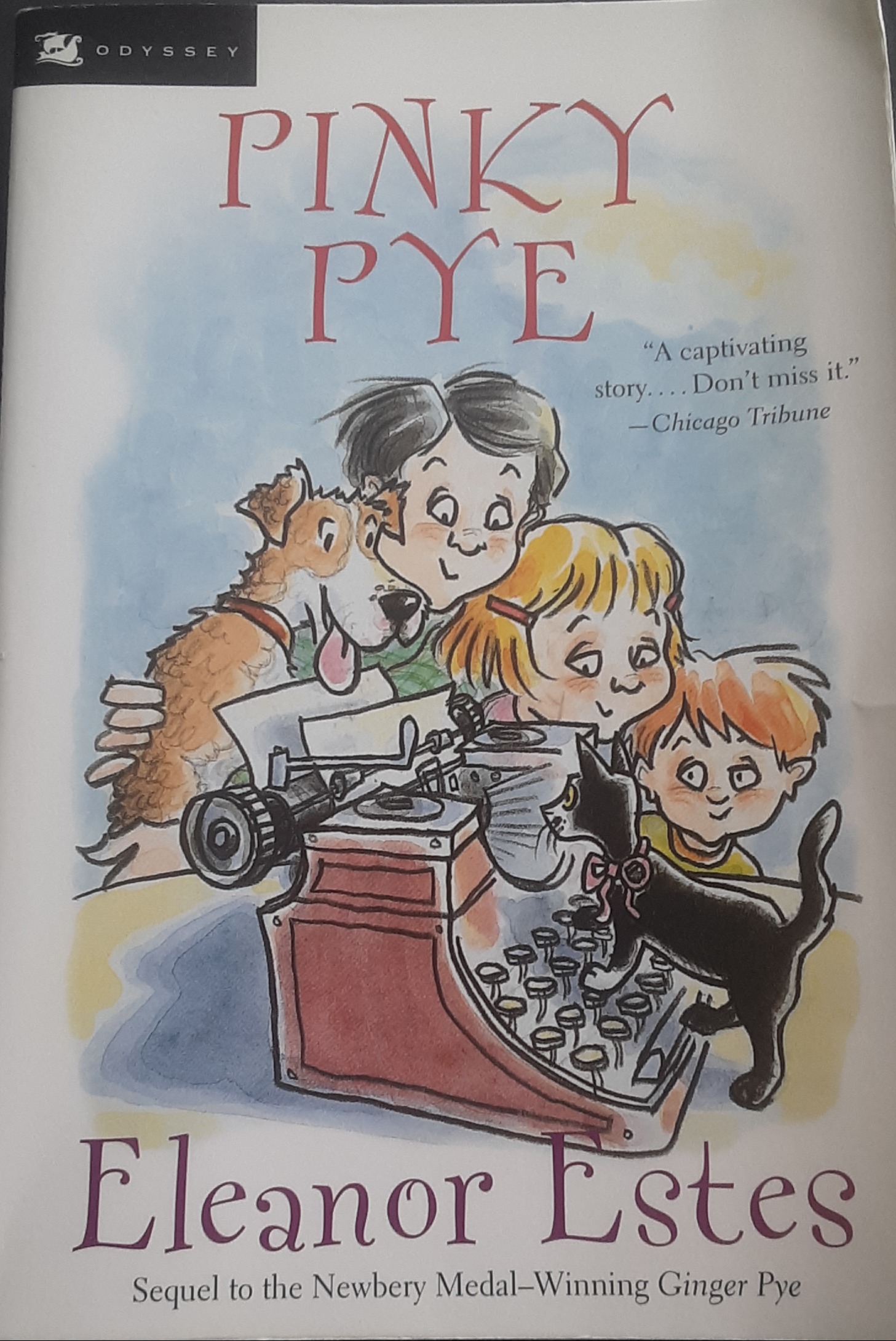
Pinky Pye by Eleanor Estes c1958 This edition Odyssey Classics by Harcourt printed in 2000 with original illustrations by Edward Ardizzone

The Pye family, including their famous dog Ginger and smart cat Gracie are headed off to Fire Island for the summer. Father Pye, a renowned ornithologist, has been asked by Washington to investigate the very unusual sighting of a puffin by a reliable bird watcher on Fire Island. The bird watcher agrees to rent a cottage to the Pyes for a reasonable price, so Mr. and Mrs. Pye, Jerry age ten, Rachel age nine, their small Uncle Bennie age three, their pets, and piles of luggage are soon waiting for the ferry that will take them to the island.

Soon after their arrival the Pyes add a kitten named Pinky, for her raspberry pink tongue, to the family. Pinky is the only cat ever known to possess the ability to type. Her messages are some of the best parts of the book.

The authors words: As typed by Pinky… ” The String Bean Game”

  • a. This important game HAS to be played with someone.
  • b. Go to the icebox , sit in front of it, say “Woe,” and Pye, or whoever you own will come. Pye will understand what you want, for you will have the eager string bean game expression on your face.
  • c. Now, crouch and wiggle This means you are ready for the throw.
  • d. Now. He throws Bean. Tear after it as though you have been shot out of a cannon. People are always surprised to see how fast you can get going without having to gather speed. Never let speed be ungathered. Race after Bean, bring it back and lay it at Pye’s feet. He throws Bean again. Race after it again. and if it has gone around a corner, knock recklessly into a wall as you make the speedy turn. Pick it up and trot back with it……….”Hurray!” the people will exclaim noisily. “She retrieves like a dog!” What nonsense! Dogs retrieve like dogs—huff, huff, pant. Cats retrieve like cats and bring variety to the game.

There is a mystery to be solved among other island events. Gracie the cat wants very much to gain entrance to the eaves to investigate. Everything that is good in a middle-grade book exists in this summer story. Give it a try.

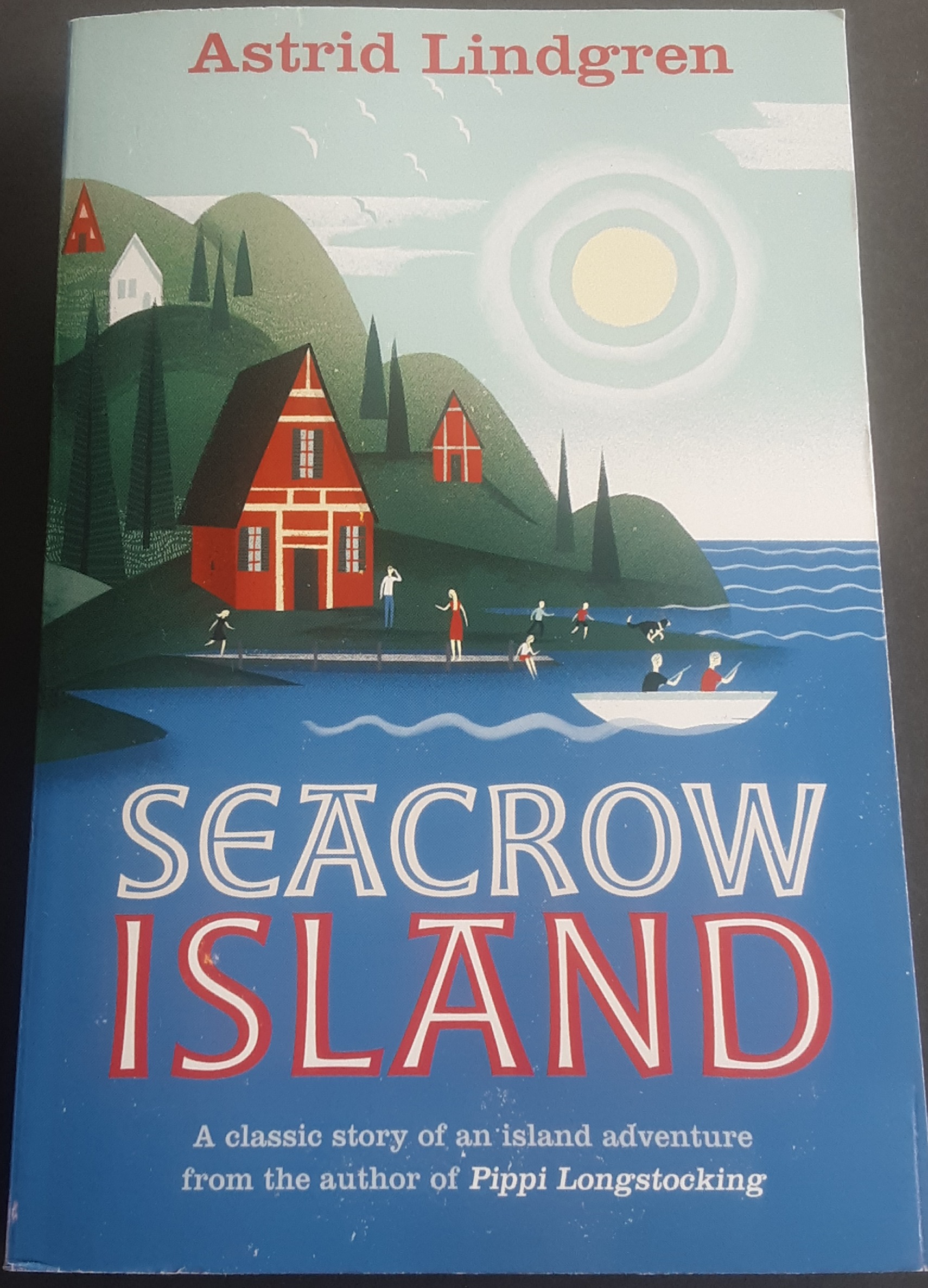
Seacrow Island by Astrid Lindgren. c1964. This edition published 2016 by Oxford University Press

The author’s words:

“If you go down to the quay in Stockholm on a summer morning and see a little white boat called Seacrow I lying there, that is the right boat to take and all you have to do is to go on board…….She crosses wide expanses of open water and steams through narrow channels, past hundreds of green islands and thousands of grey, bare rocks. She does not go fast and the sun is low when at last she reaches the quay at Seacrow Island. She has no need to go any further, for there is only the open sea beyond with its bare rocks and its islands where nobody lives except eider ducks, gulls and other sea birds.”

The Melkerson family is on their way to summer at a place they have never been before. Melker, the father, has rented a cottage sight unseen because he liked the name Seacrow Island. His family consists of Malin, his nineteen-year-old daughter and three sons, Johan, Niklas, and Pelle. Pelle is the youngest and he is seven. Will the unknown Carpenter’s Cottage turn out to be cozy? What is there to do on such a remote and quiet island? The Melkerson’s adventures are about to begin as they learn about sailing, fishing and the wildlife all around them. Ever since their mother died, the brothers hope that the young men who fall in love with Malin every quarter hour will not marry her and take her away. She is the support and heart of the family. New friends and interesting characters are always to be found in a story by Astrid Lindgren. This book has been a favorite in Sweden for generations of readers.

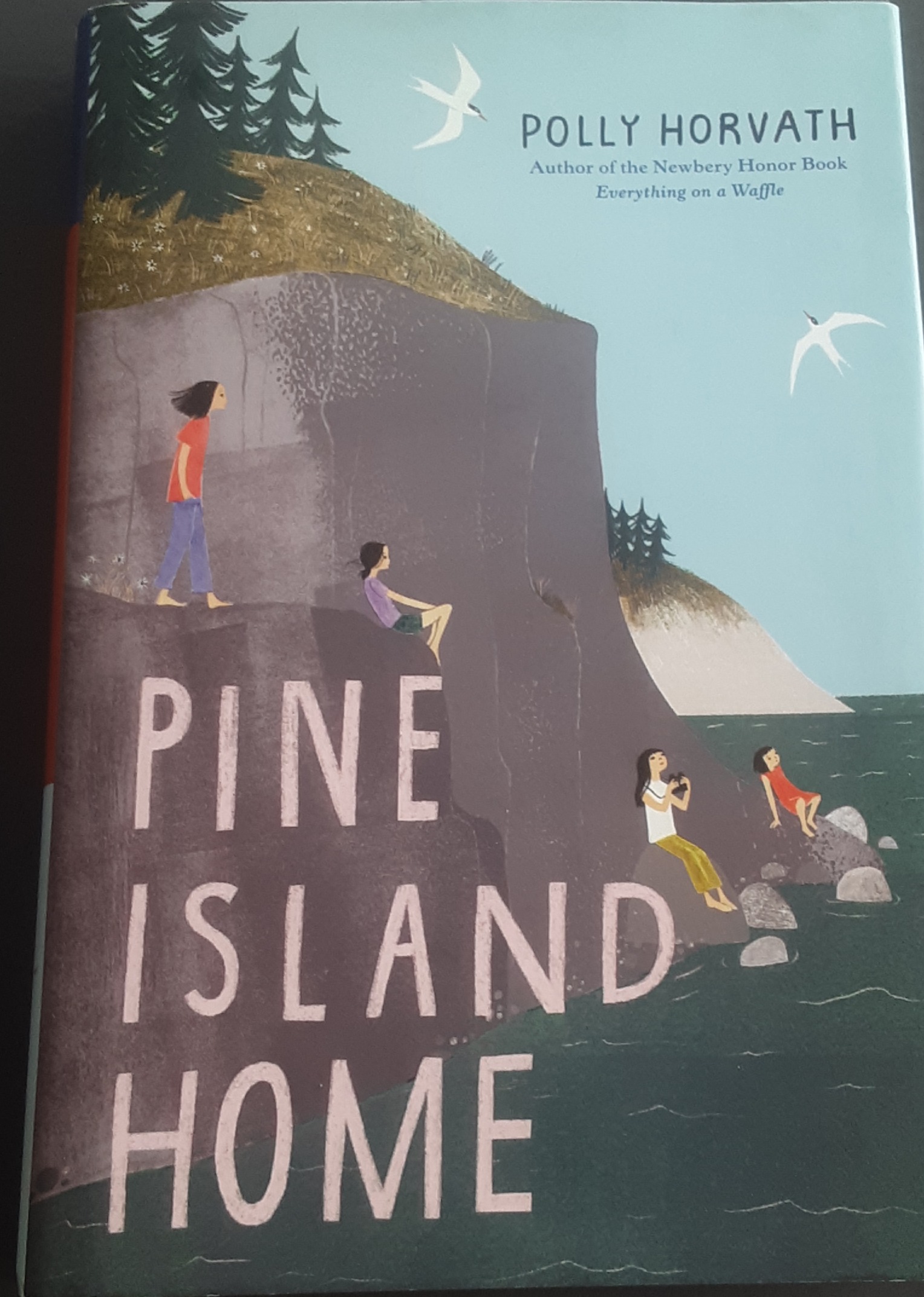
Pine Island Home by Polly Horvath. c2020 Holiday House

The adults in the lives of the McCready sisters have selfishly and thoughtlessly allowed themselves to be carried off by tsunamis and heart attacks, leaving the girls orphaned and alone. Fiona fourteen, Marlin, twelve, Natasha, ten, and Charlie, eight, have been raised in a missionary family and have learned to adjust to living in all sorts of places, but now they face new challenges at their Aunt Martha’s farm on an island in British Columbia, Canada. Fortunately Aunt Martha left them the farm, money, and a kitchen fully stocked with food, and even enrolled them in the local schools. The sisters are determined to hide the absence of a responsible adult from Social Services because they fear being separated. After all they have been through, that would be unendurable.

The McCready girls are a match for difficulties that would defeat less talented and intelligent children. Fiona makes a deal with cranky neighbor Al Farber to pose as their guardian in exchange for hot homecooked meals prepared by Marlin who is quickly becoming a proficient cook. The story of how the girls learn to cope is the main theme of this story, the island location is secondary. Helpful adults do turn up, and the strong bond between the sisters is reassuring. Tune in to the sequel, “Pine Island Visitors” for more Polly Horvath magic.

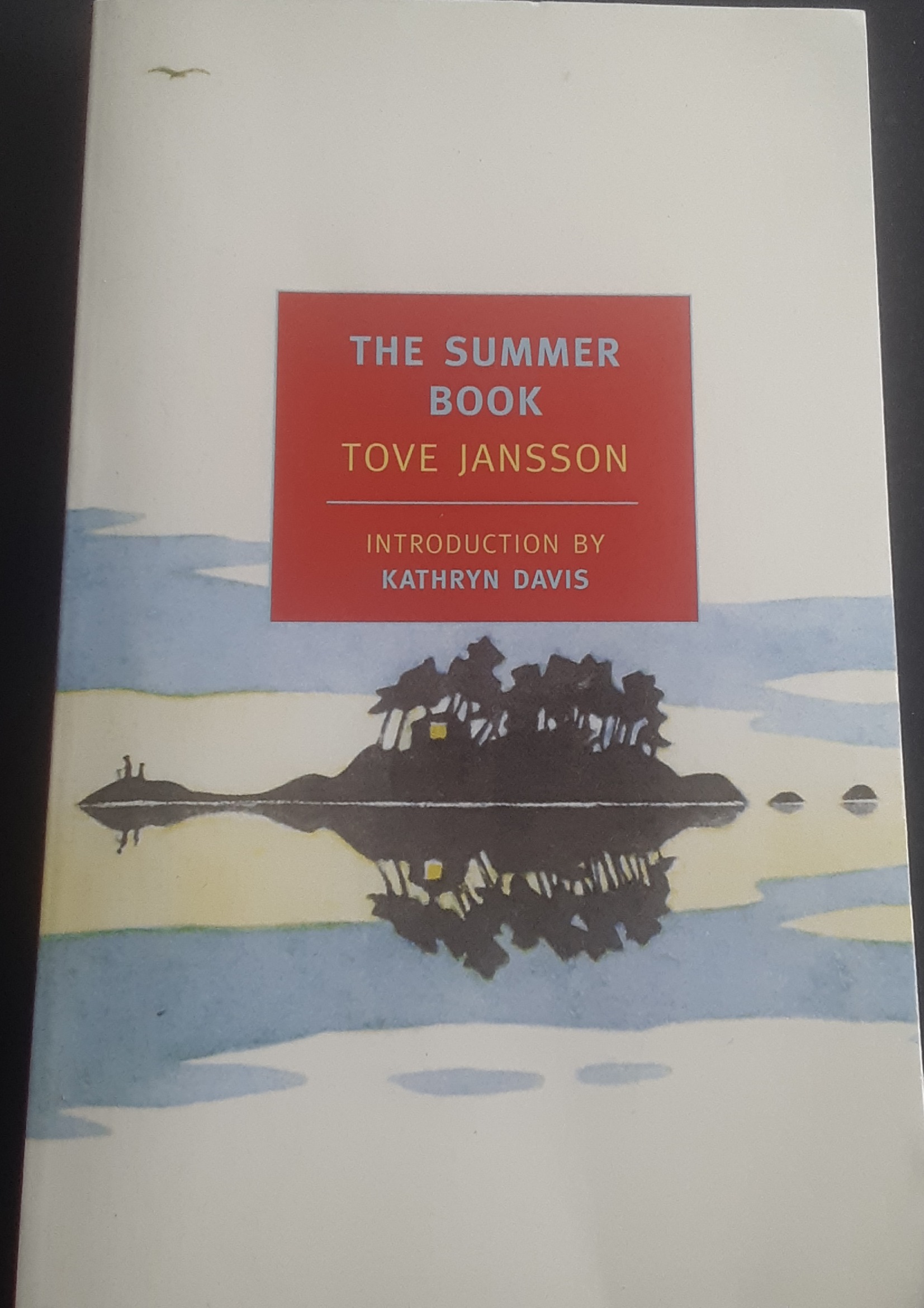
The Summer Book by Tove Jansson c1972 This edition published by The New York Review of Books in 2008.

This one is for the grown-ups. The setting is a tiny island in the Gulf of Finland. Six-year old Sophia, her father and grandmother are sharing a small cottage for the summer. There is no plot to follow, just the passage of a season on the island. Each chapter is a slice of life episode with weather, nature, an occasional visitor, and conversations between the child and her grandmother as the main events. Sound too quiet? Here are the authors words about a tremendous storm that broke as the family were fishing away from their own island:

“Papa broke the padlock on the door with a big stone. He did it to save his family. ……………….The walls of the house trembled steadily with the thundering of the sea, and it began to get cold. Spume from the breakers covered the windowpanes and ran over the sill and across the floor. Every now and then Papa would get up and go out to see to the boat.

The seas breaking against the sheer outer side of the island had grown. One after another, the waves rose up in their white immensity to a tremendous height, and foam hissed against the rocks like the blows of a whip. Tall curtains of water flew across the island and sailed on west. The storm was titanic!”

Islanders do not always welcome those who build large new houses that mar the view. Here are the author’s words when Sophia and Grandmother get caught checking out the new neighbor’s island and are invited in:

“Don’t look so cross,” Grandmother whispered. “This is socializing and you have to learn how to do it.” Malander came back with bottles and glasses and put them on the table. “Cognac, he said. “And whiskey. But I’m sure you’d rather have a lemonade. “I’m very fond of cognac,” Grandmother said. “A small glass and no water, thank you. Sophia? What would you like?”

“The other!” Sophia hissed in her ear. “Sophia would prefer a lemonade.” Grandmother said, and thought: We’ve got to teach her some manners. We’ve made a mistake. She has to spend more time with people she doesn’t like, before it’s too late.”

Sophia and her Grandmother talk about life, death, heaven, hell, and what happens when an angleworm gets cut in half. They build a miniature Venice, trade a cat that kills birds for a boring, soft lap cat, and have arguments. You are given the flavors, scenery, and essence of a Northern Island to dwell in and remember after this slim book ends. I recommend a second reading, maybe more.

Favorite Baby Stories from Storytime (and one for bedtime)

Some of my former listeners are now parents themselves. This post is dedicated to them and the many happy readings we enjoyed together. Some of them might remember opening the magic cupboard to see what books were inside, or perhaps the moment a listener who was particularly attentive wore the Good Listener crown home. Here is a trio of their favorite stories featuring some unusual babies:

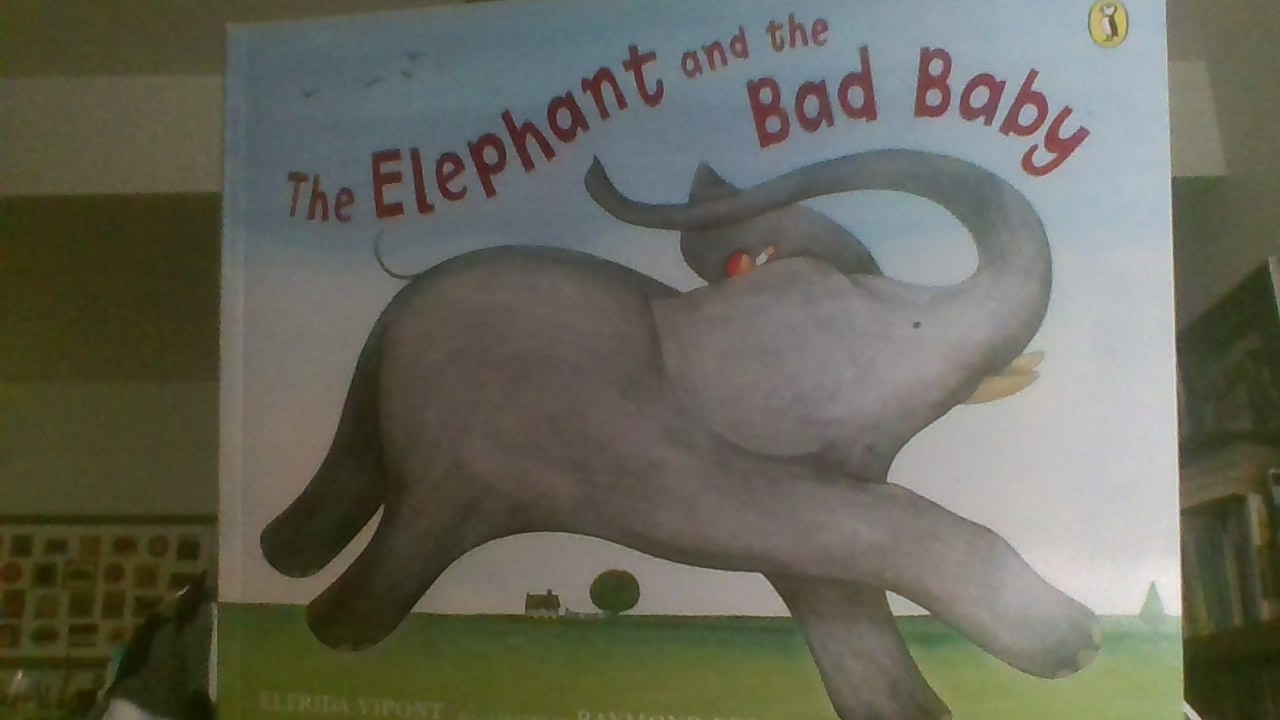
THE ELEPHANT AND THE BAD BABY by Elfrida Vipont with pictures by Raymond Briggs from Puffin Books

Once upon a time an elephant met a bad baby while taking a walk. When offered a ride, the bad baby said, Yes.” So begins a sneaky and wild romp as the elephant snatches various snacks from vendors, offers them to the baby, who always says yes, and nothing is legally purchased. A parade of angry people including the ice-cream-man, the grocer, the snack-bar-man, and others are soon running after the two who have not once said, “Please.” What will happen when the bad baby and all his his followers eventually meet up with his mommy?

One illustration shows a sly elephant trunk reaching for fruit from a cart, while the rest of his enormous bulk is hidden behind it. I read this to the kindergarten children, and toddlers will love it too. It has the predictable rhythm perfect for younger listeners. You will know illustrator Raymond Briggs from his marvelous wordless picture book “The Snowman”.

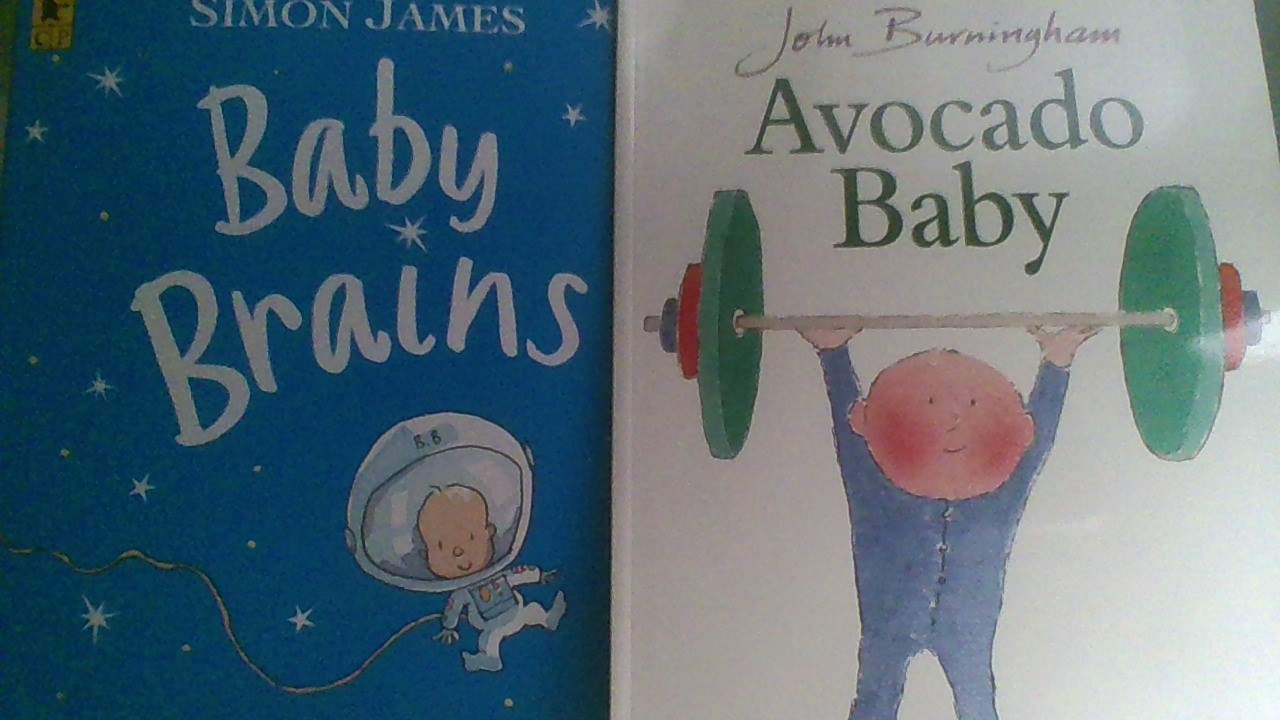
AVOCADO BABY by John Burningham, illustrations by the author Published by Random House Children’s Books

Mr. and Mrs. Hargraves and their two children cannot get the new baby to eat anything, and they are afraid it will turn out as weak as they all are. Things begin to improve when a mashed avocado is fed to the baby, and he likes it. Before you know it the baby is helping to carry in the groceries, move heavy furniture, and with each meal of avocado his strength increases. The Hargraves children have nothing to fear with Avocado Baby in the house, and perhaps outside as well….

One of my listeners gave avocadoes a try after we read this book. The idea of a baby with great strength was always incredibly funny to children sitting on the storytime carpet!

BABY BRAINS written and illustrated by Simon James Published by Candlewick Press

Mr. and Mrs. Brains took care to read aloud to their baby before he was born, turning up the news so baby Brains would be very smart from day one. When their baby was born, they were thrilled to bring home a new baby boy. “Sleep tight, Baby Brains,” his mother whispered as she put her baby to sleep in his brand new crib. The next morning she discovered Baby Brains sitting on the couch reading the morning paper. By evening Baby Brains was talking, and his first request was that he start school right away. News of this extraordinary baby brought an invitation for him to travel far from home. Will the parents accept and what is ahead for Baby Brains?

Baby Brains returns in two more books for his many fans. I shared this with second grade students and it kept their rapt attention to the gentle and sweet conclusion. Humor abounds in each detail of the illustrations which can be appreciated by readers of all ages.

WHAT DO YOU WANT? Written and illustrated by Lars Klinting Published by Groundwood Books/ House of Anansi Press

The artwork in this very simple BEDTIME STORY is so appealing, you can’t help picking it up and sharing it with someone. A first page shows a rooster who wants…..flip the page and the answer is, his hen. A chair wants its table, a foot wants its shoe, and so on. Each object is clearly depicted with plenty of white space around it. This is available as a board book, so your toddler can have their own sturdy copy. It is all a first book should be, pages that reveal surprises, and a perfect pace down to the last picture of a pillow and its sleeping child.

Friendly, inadequate lighting photo of Miss Tobey