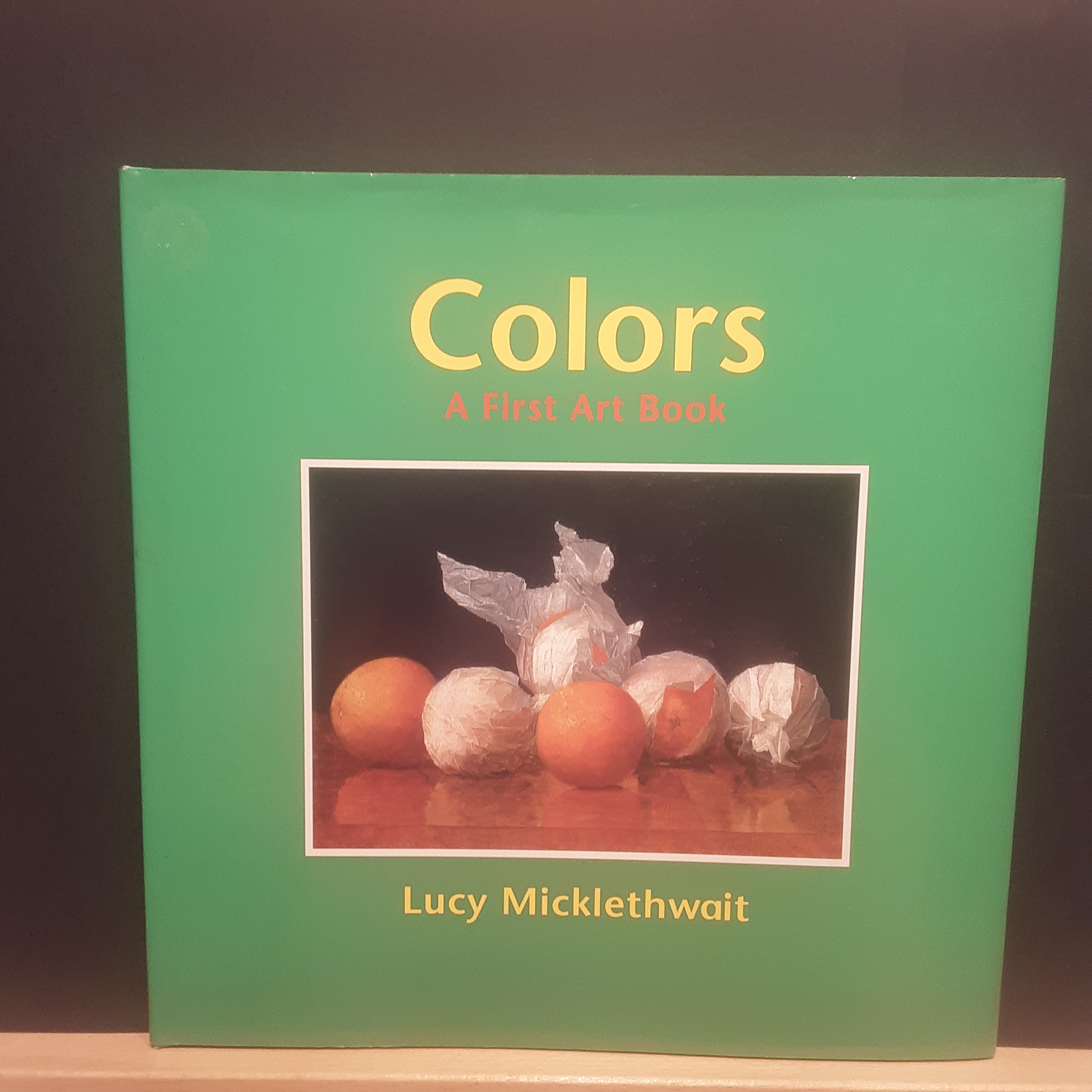
Colors: A First Art Book by Lucy Micklethwait c2005 by Frances Lincoln Limited : London
It is going to be very hot here today, and the city recommends the libraries as a good place to cool off. Can’t think of a better thing to do than bring out some picture books and settle in for the afternoon. I use age guidelines loosely, as I enjoy a good picture book and it has been a very long time indeed since I was in Mrs. Cook’s kindergarten room. The titles today will eventually be on Book List #2 as a page. Preschool picture books should be eye catching, have few or, in the case of this first title, no characters. There should be repetition, a rhythm to the story, and simple themes. Color books, ABC books, Counting Books, all are welcome, and books that the child can enjoy quietly and alone will build attention spans and prepare the way for reading. Let’s get started…..
In Lucy Micklethwait’s book children are introduced to colors through works of art. After your child has identified the colors in the paintings, a conversation could start about the painting. What is going on in the picture? Who are the people? How would that fruit taste? What sound does that owl make? What other things are yellow?
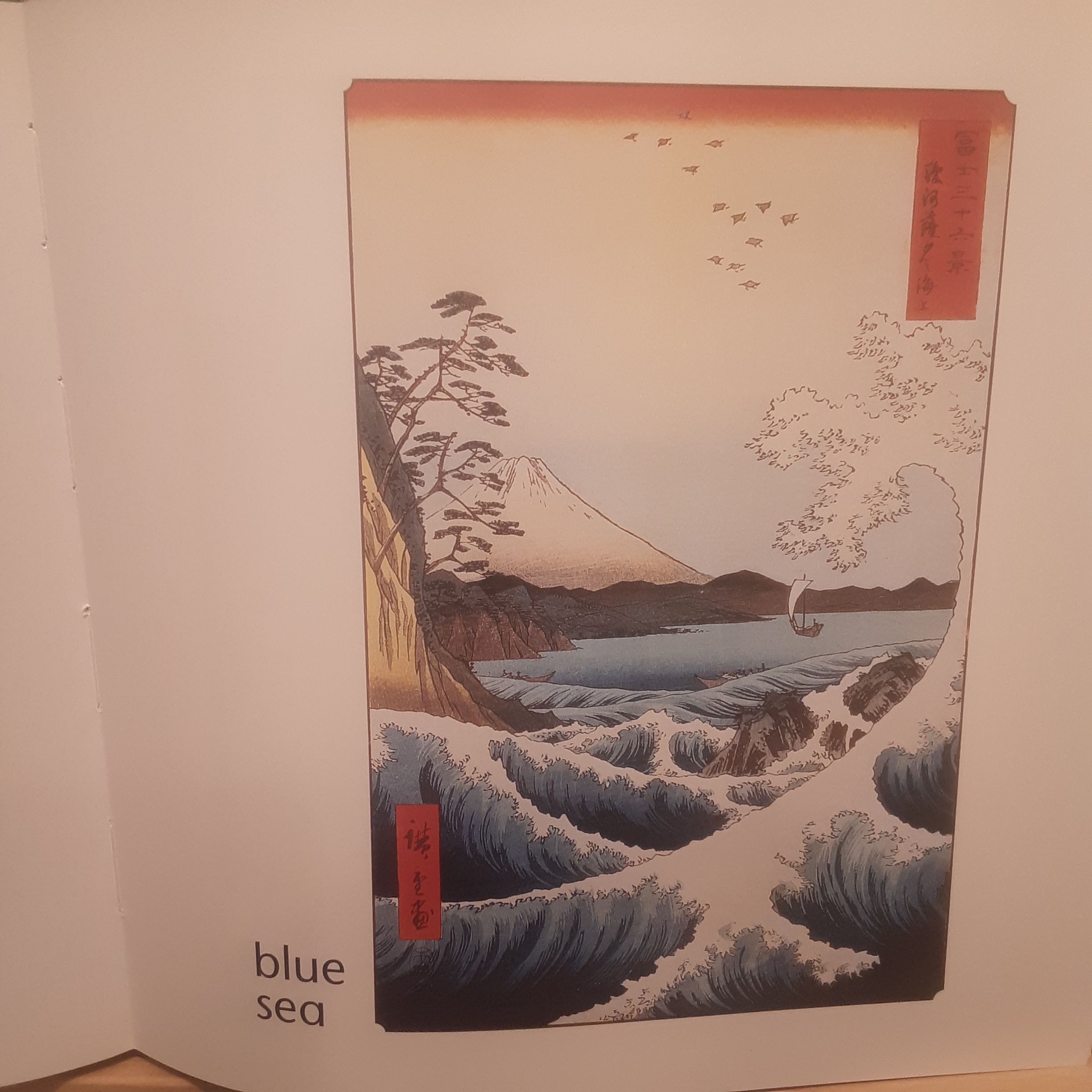
View from Satta in Suruga Province by Ando Hiroshige (1797-1858) Woodblock Print
A picture list is included at the end of the book. Lots to see here!
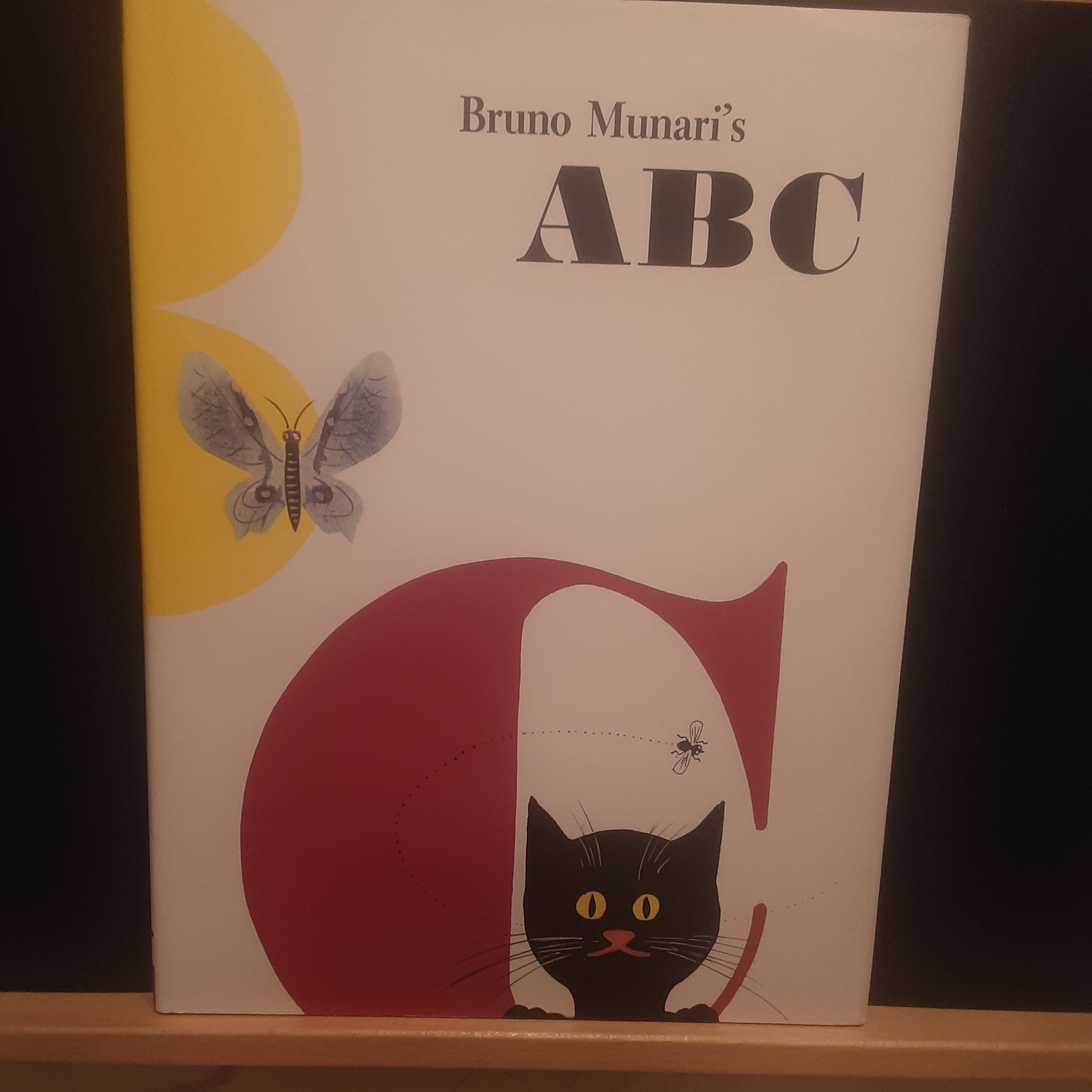

Bruno Munari’s ABC by Bruno Munari c1960 This edition published 2006 by Chronicle Books : San Francisco Bruno Munari’s Zoo by Bruno Munari c1963 This edition published 2005 by Chronicle Books : San Francisco
These two oversized picture books by Italian graphic designer Munari bring bold art and humor home to roost. In the ABC book, The page for L depicts a simple green leaf, a long leaf, and a little leaf, and a bright, large lemon. V shows us a Vertical, Violet, Violin with a tiny fly on a Voyage. The illustrations are double-page spreads with plenty of white space around the objects. In the Zoo book, birds are shown seeking shelter from the rain under a double-wide elephant. An arrow sign directing the zoo visitor to the birds points up. There are signs for the monkeys, flamingos, snakes, and ferocious animals. Readers are told that the humpy camel has a seat for them, a spiky porcupine loses himself among equally spiky grasses. Both books are a delight to peruse and will enjoy many return visits from your youngsters.
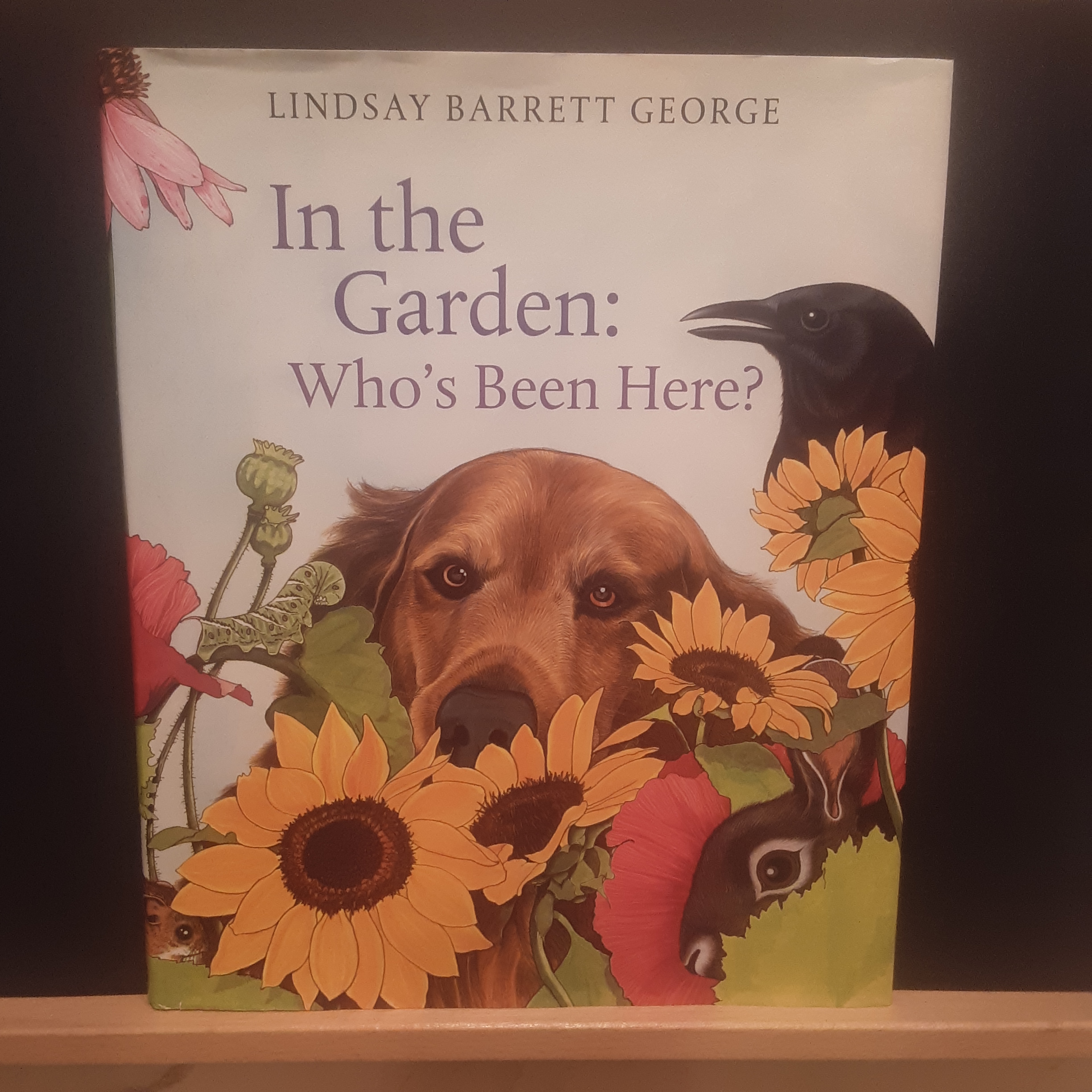
In the Garden: Who’s Been Here? by Lindsay Barret George c2006 HarperCollins Children’s Books : New York
Two children are sent to the garden by their mother to pick vegetables on a moist summer morning. A walk down the row of tomato plants reveals a nibbled leaf. Readers turn the page to find that a tomato hornworm is the culprit. A crow has been pecking kernels of corn, and a woodchuck has found the carrots. This large format book is a colorful introduction to the garden and its critters. An information page at the back gives a few facts about each animal or insect mentioned in the text. Read this before a visit to your local farmers market.

Blueberries for Sal by Robert McCloskey c1948 The Viking Press : New York
The blueberries are ripening as we speak, and youngsters are looking forward to hearing the kuplink, kuplank, kuplunk of the berries landing in their tin pails. You know this classic summer story about Sal and Little Bear who both love blueberries. July is the time to share this book with somebody, perhaps with some blueberry pie or muffins on the side.
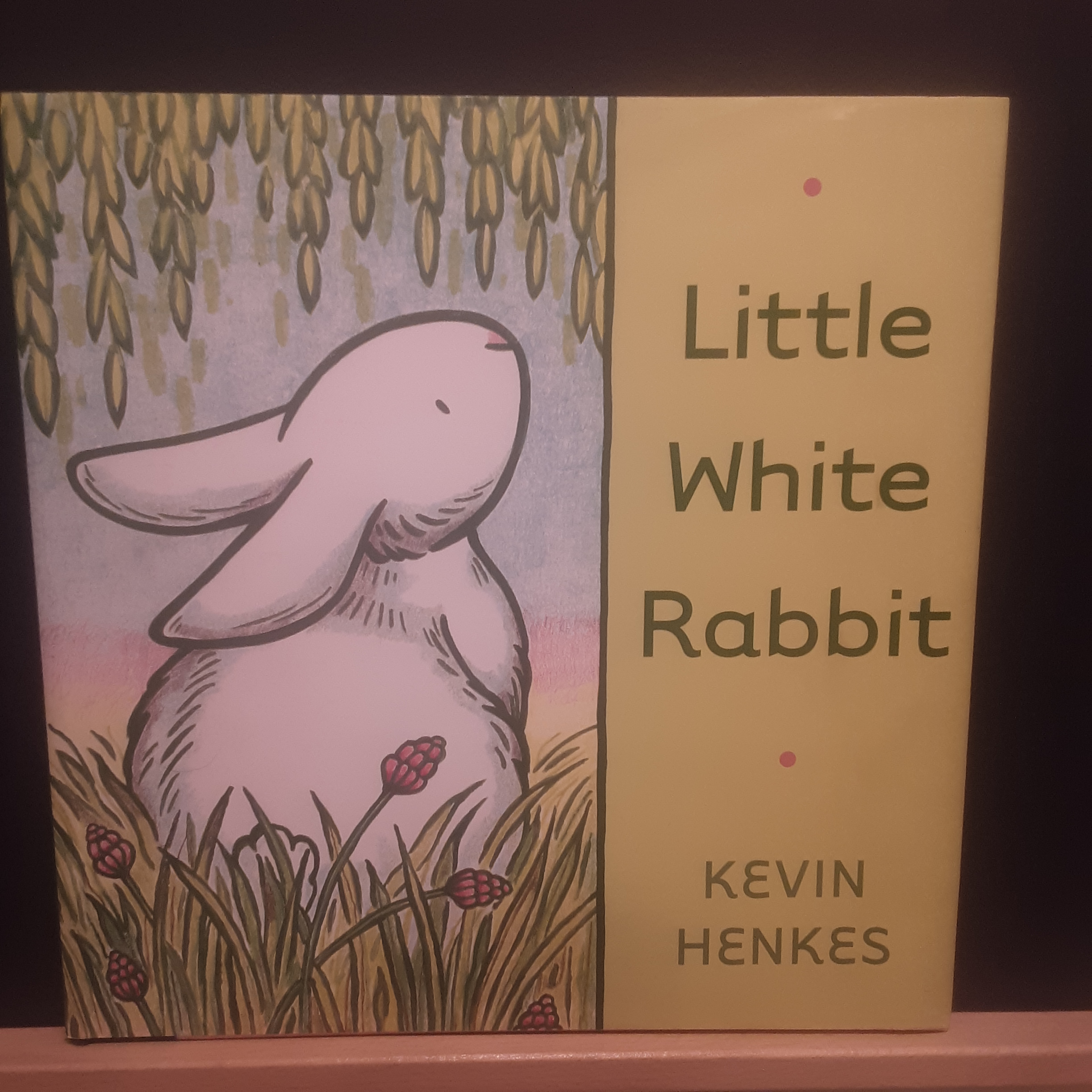
Little White Rabbit by Kevin Henkes c2011 HarperCollins : New York
As little white rabbit hopped along he wondered what it would be like to be green like the grass, or tall like a fir tree. He wondered what it would be like to be still like a rock, unable to move. This very short and simple story is perfect for the youngest listener, and joins many other titles by Kevin Henkes who understands story time very well. If you visit his website at kevinhenkes.com you can hear him read aloud to children.
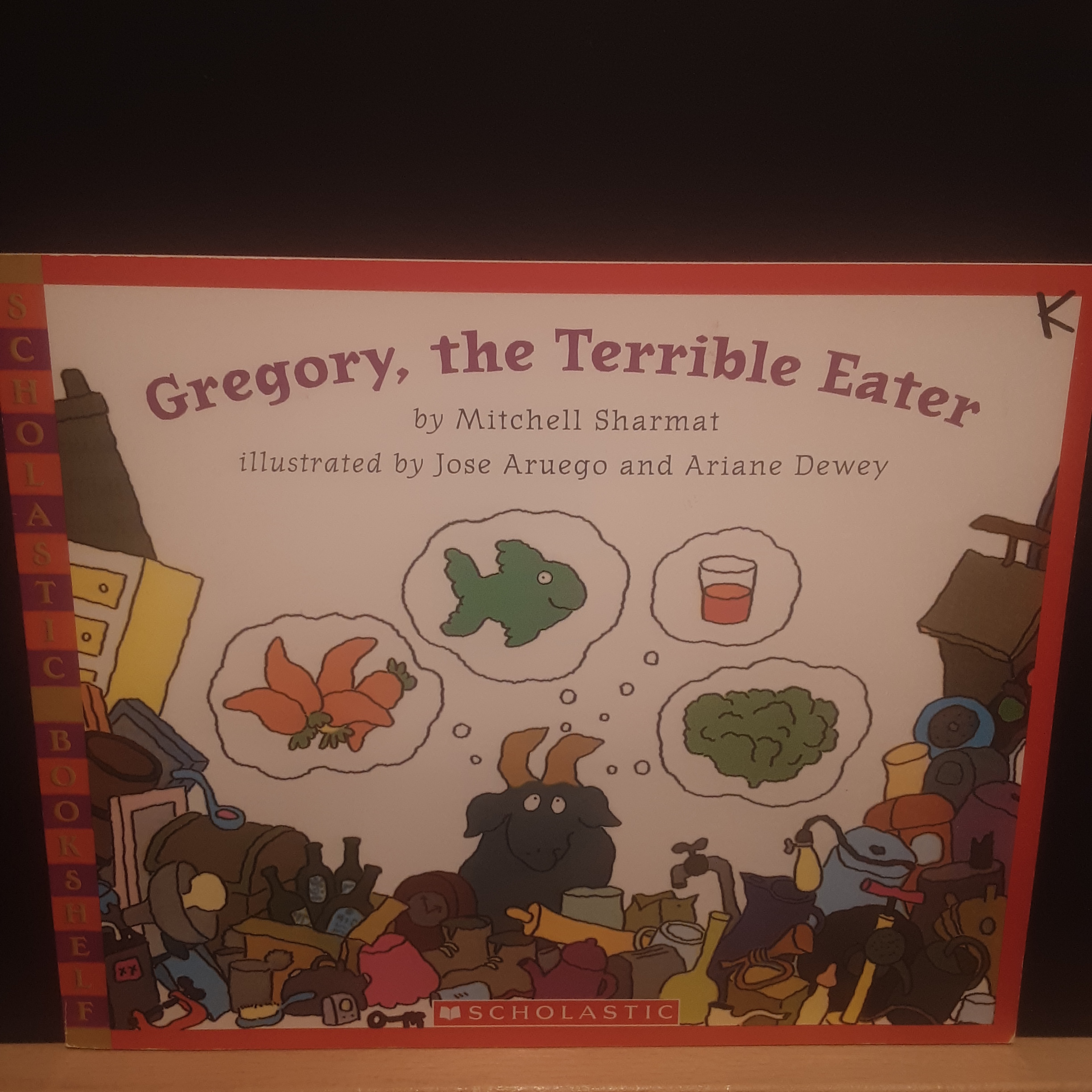
Gregory, the Terrible Eater by Mitchell Sharmat Illustrated by Jose Aruego and Ariane Dewey. c1980 Scholastic Inc.: New York
Gregory the goat’s parents think he is a fussy eater. Here are the author’s words:
“I’m not fussy,” said Gregory.”I just want fruits, vegetables. eggs, fish, bread, and butter. Good stuff like that.”
Mother Goat stopped eating the shoe. “Now what kind of food is that, Gregory?” she said.
“It’s what I like,” said Gregory.
“It’s revolting,” said Father Goat. He wiped his mouth with his napkin.
Can a bit of reverse psychology help cure a picky eater at your house? My kindergarten students loved hearing about Gregory learning to try new things, like scrambled eggs with a side of waxed paper.
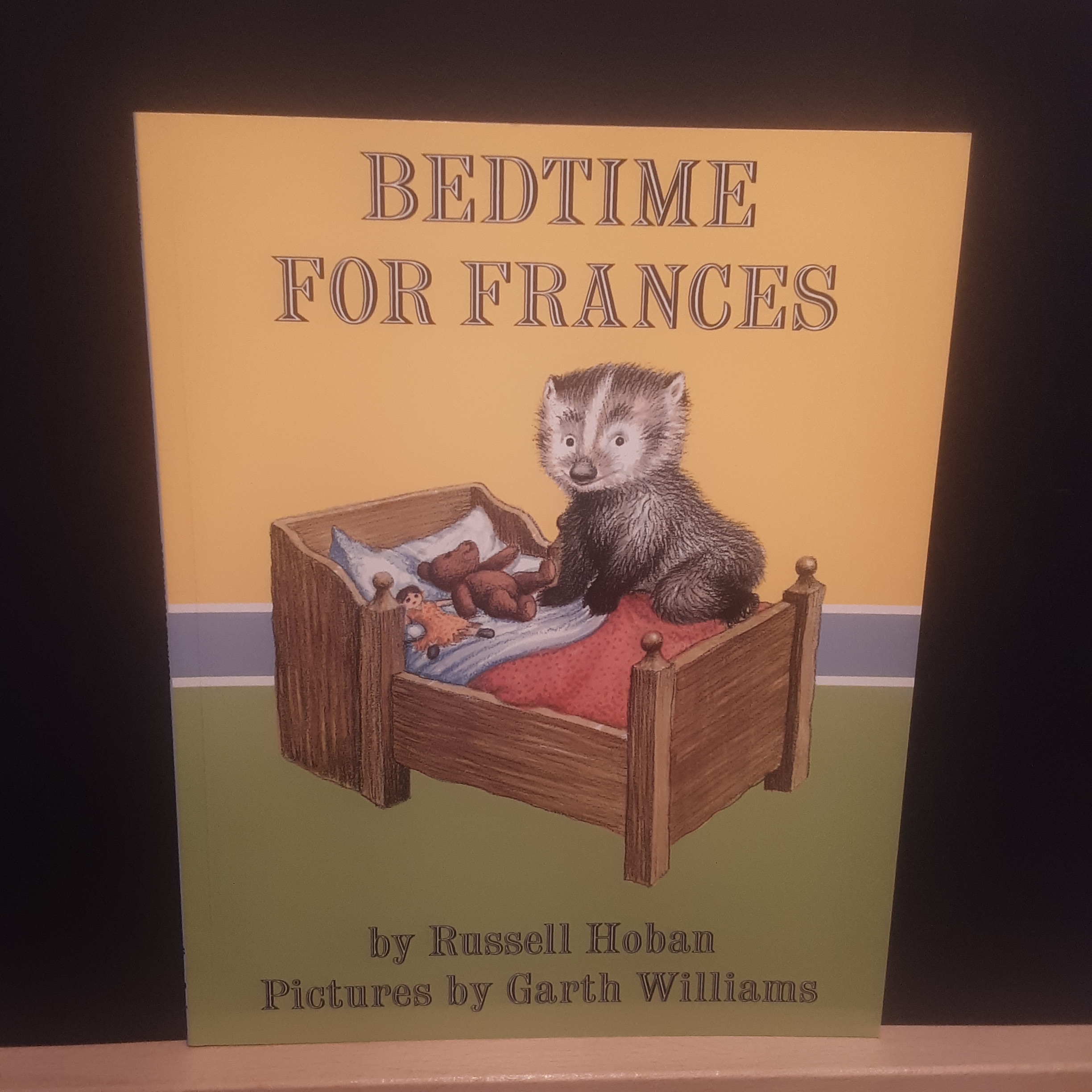
Bedtime for Frances by Russell Hoban with illustrations by Garth Williams c1960 HarperCollins : New York
What delaying tactics are employed when bedtime arrives at your house? Frances the badger knows them all. Longer summer days and warm weather are not conducive to snuggling down and getting to sleep. This bedtime classic will help with any fears of the dark for your not-sleepy-yets.