Hans Christian Andersen–The Essential Dane

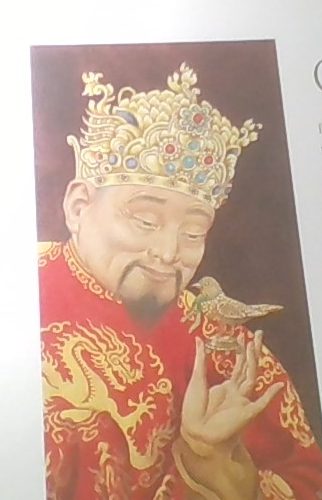
Illustration from The Nightingale by Hans Christian Andersen, retold by Stephen Mitchell and Illustrated by Bagram Ibatoulline Published by Candlewick Press c2002

Can we see ourselves with eyes glued to our cell phones just as this Emperor is gazing fondly at his mechanical nightingale? Anybody warning us about being overly beguiled by things artificial today?

Andersen’s tales still have a place in our world, and young readers have many options for encountering them. There seems to be always a new collection of his fairy tales in the works and there are also the ballets, plays, and films inspired by them. I remember adoring Liza Minnelli as the true princess in Faerie Tale Theatre’s TV production of The Princess and the Pea. Good one to share with the grandchildren some evening…

I sold an inexpensive hardcover edition of” The Emperor’s New Clothes”, illustrated by Virginia Lee Burton at book fairs. You know Virginia Lee Burton from” Mike Mulligan and his Steam Shovel”, and” The Little House”. There is probably an edition of “The Little Mermaid” for every taste and budget. My favorite collection is “Seven Tales by H.C Andersen” translated from the Danish by Eva Le Gallienne with pictures by Maurice Sendak. published in 1959. I have the 1991edition by Harper Trophy.
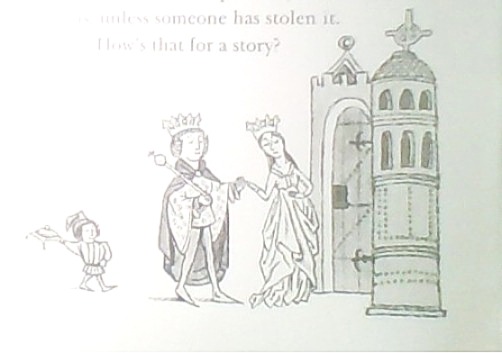
Illustration from “The Princess and the Pea” by Maurice Sendak from “Seven Tales by H.C. Andersen”

“The Ugly Duckling” was an important story to me as a child. I played that part in a school play, think the teacher sensed I needed to have the hope of a swan transformation in my future. Hans Christian Andersen’s tales are good companions. He put life in inanimate objects, and gave those lives meaning. A collection of his stories IS a home library essential.
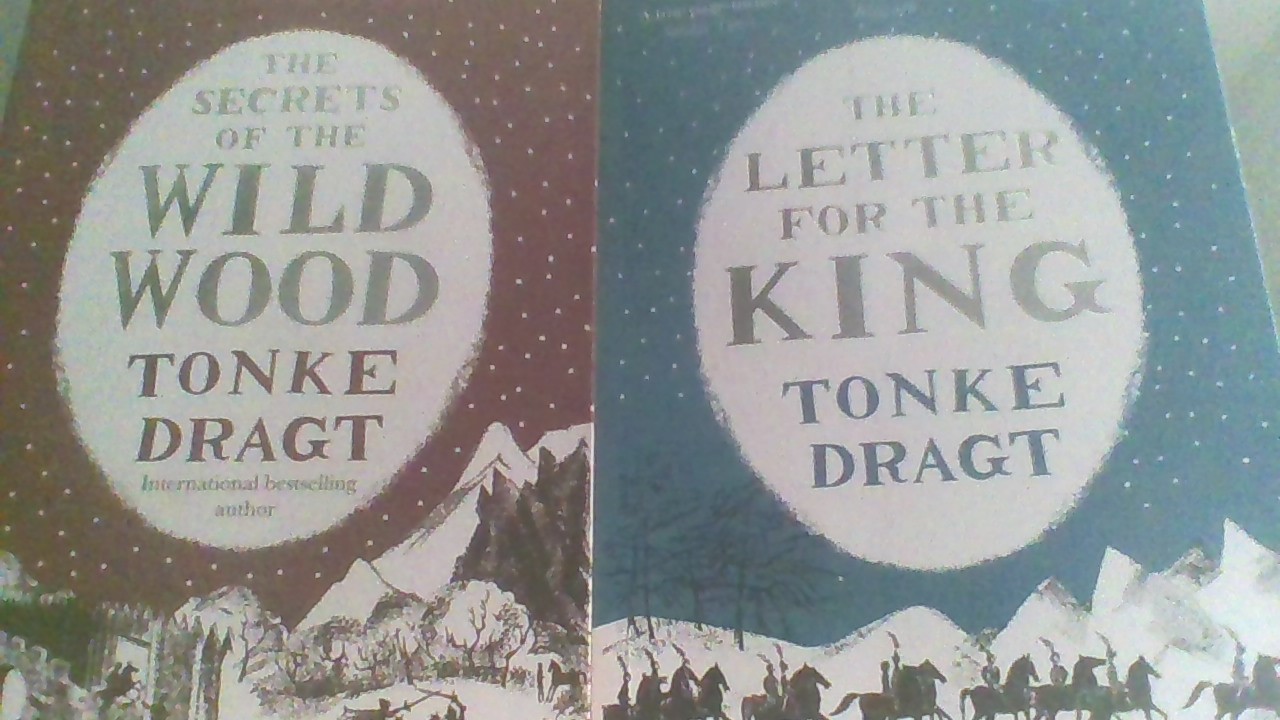
Medieval Flavored Fantasy: The Letter for the King

by Tonke Dragt. Publisher: Pushkin Children’s Books c 2017

Tonke Dragt’s “The Letter for the King” was first published in 1962, but readers of English had to wait until 2015 to get their hands on a translation of this splendid adventure story. Thanks to Pushkin Children’s books, ” The Letter for the King” and its sequel “The Secrets of the Wild Wood” are both available in fresh, attractive editions. They are fat books in which a young reader can dwell for a good length of time. The vocabulary is not difficult, and the story is divided into eight sections with short chapters that make it perfect to read aloud in a classroom. There are illustrations by the author at the start of each section. A map on the inside cover invites readers into this tale of two Kingdoms.

The story begins as five young men are keeping a vigil the night before they will become official Knights of King Dagonaut. They are to remain awake all night, without food or drink, and reflect on the task ahead. No one is allowed to enter their chamber, and the door must remain locked. Tiuri, son of highly respected Tiuri the Valiant, is the youngest at age sixteen. Daylight will be long in arriving and each of the young men know a knock on the door might tempt them to give up their chance at knighthood if they answer it. When a low voice at the window pleads, “In the name of God, open the door!” Tiuri’s mind is in turmoil. Can a knight pledged to defend and protect refuse to acknowledge a cry for help?

Tiuri accepts the responsibility of delivering an important and secret letter to a person known only as “The Black Knight with the White Shield”. The letter is meant to be delivered by the Black Knight to the king in the city of Unauwen, which lies on the other side of the Great Mountains. It should have been possible for Tiuri to put the letter in the correct hands and return by morning, but adventures never happen when things follow plans…

When I began to refresh my memory a bit with this book before writing my review, I got caught up in the story again. It really it is a page-turner! The author’s ability to create suspense will hold the reader completely. That is what I was looking for when I purchased this book with reluctant 7th grade boy readers in mind. Each of the challenges Tiuri faces, from traveling alone in strange places, to imprisonment in a castle, to loss of his companionable horse, are met with plenty of action. Helpful and honorable characters appear as well as a proper number of untrustworthy scoundrels. Tiuri bravely keeps his mission secret and wins respect from older, battle-tried knights. Yes, there are sword fights. These two richly satisfying books deserve a place in any royal banqueting hall or library serving Jr. High to Teen readers.

Tonke Dragt was born in Jakarta, Indonesia in 1930. When she was 12, her Dutch family began 3 years internment in a Japanese camp. She and a friend managed to produce her first book during that time. The family returned to the Netherlands after the war. The Letter for the King and its sequel have won awards and have had a loyal following in sixteen languages.