In the High and Far-Off Times… The Elephant’s Child

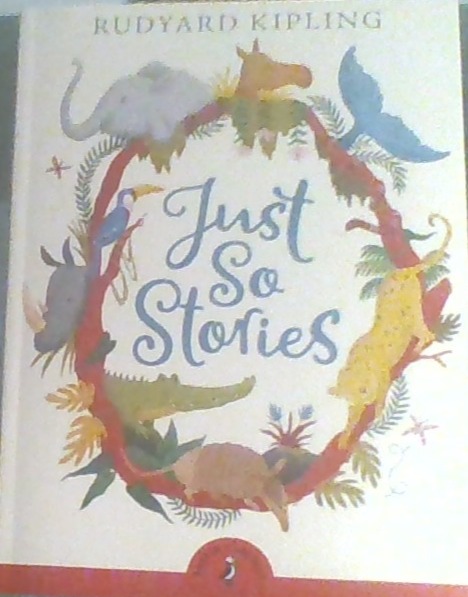
” The Elephant’s Child” from ” Just So Stories” by Rudyard Kipling originally published 1902. This edition Puffin Classics c2016

The Author’s Words:

“By and by, when that was finished, he came upon Kolokolo Bird sitting in the middle of a wait-a-bit thorn bush, and he said, ‘My father has spanked me, and my mother has spanked me; all my aunts and uncles have spanked me for my ‘satiable curiosity; and STILL I want to know what the Crocodile has for dinner!’

Then Kolokolo Bird said, with a mournful cry, ‘Go to the banks of the great grey-green, greasy Limpopo River, all set about with fever-trees, and find out.’ “

The Elephant’s Child had only a short, blackish, bulgy nose, and he left an untidy trail behind him of items he dropped because he had no way to pick things up. How he meets a crocodile and is given a new, much more useful appendage is a favorite Just So tale.

For richness of language, Kipling is your man. Has anyone enjoyed playing with words or reveled in the sounds of words more? “The Elephants Child” is fantastic fun to read aloud. Kipling’s words roll off the tongue, and adhere to the brain. I have had “The great grey-green, greasy Limpopo,etc.” phrase floating around in my mind since I first heard the words read aloud by my fifth-grade reading teacher. With a Kipling-enhanced brain, one can drift away to wonder what fever-trees look like and imagine the Bi-Coloured-Python-Rock-Snake and his scalesome, flailsome tail. There are picture book versions of this story, but perhaps something is lost if the listener is distracted from the charm and inventiveness of the language.

Reading the “Just So Stories” is reading for the ear. The listeners you share them with are introduced to poetry, exotic words and locations, and of course, all the fabulous origin stories. Try “The Sing-Song of Old Man Kangaroo” and “The Cat Who Walked by Himself”… “The wildest of all the wild animals was the Cat. He walked by himself, and all places were alike to him.”
Hans Christian Andersen–The Essential Dane

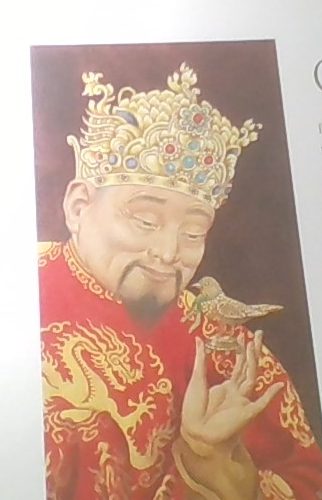
Illustration from The Nightingale by Hans Christian Andersen, retold by Stephen Mitchell and Illustrated by Bagram Ibatoulline Published by Candlewick Press c2002

Can we see ourselves with eyes glued to our cell phones just as this Emperor is gazing fondly at his mechanical nightingale? Anybody warning us about being overly beguiled by things artificial today?

Andersen’s tales still have a place in our world, and young readers have many options for encountering them. There seems to be always a new collection of his fairy tales in the works and there are also the ballets, plays, and films inspired by them. I remember adoring Liza Minnelli as the true princess in Faerie Tale Theatre’s TV production of The Princess and the Pea. Good one to share with the grandchildren some evening…

I sold an inexpensive hardcover edition of” The Emperor’s New Clothes”, illustrated by Virginia Lee Burton at book fairs. You know Virginia Lee Burton from” Mike Mulligan and his Steam Shovel”, and” The Little House”. There is probably an edition of “The Little Mermaid” for every taste and budget. My favorite collection is “Seven Tales by H.C Andersen” translated from the Danish by Eva Le Gallienne with pictures by Maurice Sendak. published in 1959. I have the 1991edition by Harper Trophy.

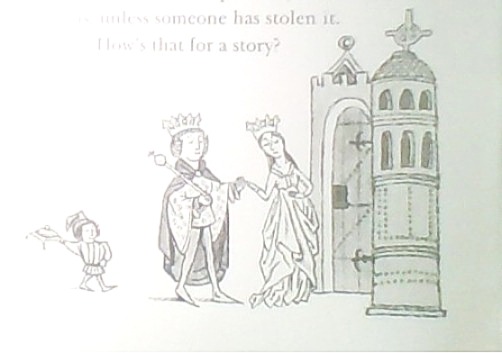
Illustration from “The Princess and the Pea” by Maurice Sendak from “Seven Tales by H.C. Andersen”

“The Ugly Duckling” was an important story to me as a child. I played that part in a school play, think the teacher sensed I needed to have the hope of a swan transformation in my future. Hans Christian Andersen’s tales are good companions. He put life in inanimate objects, and gave those lives meaning. A collection of his stories IS a home library essential.

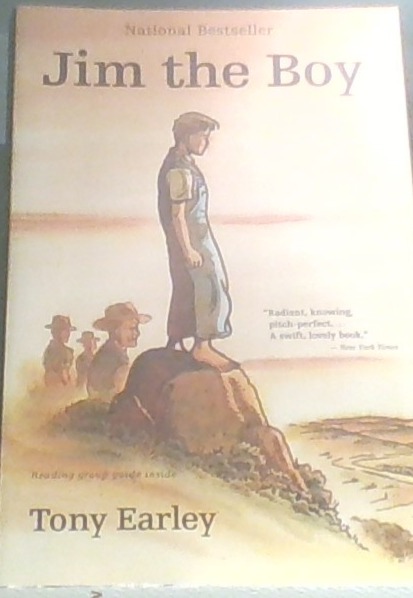
On the Way to Growing Up: Jim The Boy by Tony Earley

Jim the Boy by Tony Earley c2000 Little, Brown and Company

The author’s words:

“Oh Jimmy,” she said. “How in the world did you get to be ten years old?”

“I don’t know, Mama,” Jim said, which was the truth. He was as amazed by the fact as much as she was. He had been alive for ten years; his father, who had also been named Jim Glass, had been dead for ten years and a week. It was a lot to think about before breakfast.

Mama put the biscuits she pulled from the oven into a straw basket. Jim carried the basket into the dining room. The uncles sat around the long table.

“Who’s that?” Uncle Coran said.

“I don’t know,” said Uncle Al.

“He sure is funny-looking, whoever he is,” said Uncle Zeno.

“Y’all know who I am,” said Jim.

“Can’t say that we do,” said Uncle Coran.

“I’m Jim.”

“Howdy,” said Uncle Al.

. “Y’all stop it,” Jim said.

Jim is being raised by his widowed mother with the help of Jim’s three bachelor uncles, who all live in the houses they have built nearby. The time is The Great Depression and the place is a small farming town called Aliceville, North Carolina. The story covers Jim’s tenth year, beginning with an account of Jim’s birthday, with some ups and downs. Jim attends the new consolidated school, where the first electric lights are soon to be connected. A baseball game between the “town” boys and the “mountain” boys brings an unexpected friendship. Jim begins to learn about the wider world on some excursions out of town with Uncles. There is a sobering event that brings the hard times of the Depression home, and some racial tension when Jim, a friend, and the black field hand Abraham are confronted by a gang of toughs. In each case, an adult is present to protect and guide. You will leave this book feeling that the world is inhabited by decent people, and wanting to work harder at being one yourself. Can’t ask more of any book. It is accomplished naturally, almost magically, by a very gifted writer.

There is so much to think about and appreciate in Tony Earley’s depiction of the concerns and feelings of a young boy beginning to leave childhood behind. The writing is plain and simply elegant.. The characters are authentic and will live with you long after you close the book. I would place it in the top tier of books for young adult readers, and their parents. There is some great modeling of how to help a child through those times when the consequences of their actions are painful. The tone of this book is not dour, but hopeful and full of humor. This book got great acclaim and praise from The New York Times Book Review, The Denver Post, Christian Science Monitor, The Boston Globe, Los Angeles Times Book Review, and many others at its publication. It is too good to be lost in the avalanche of titles published each year. If you know someone who wants to write, make sure they get their hands on this book.

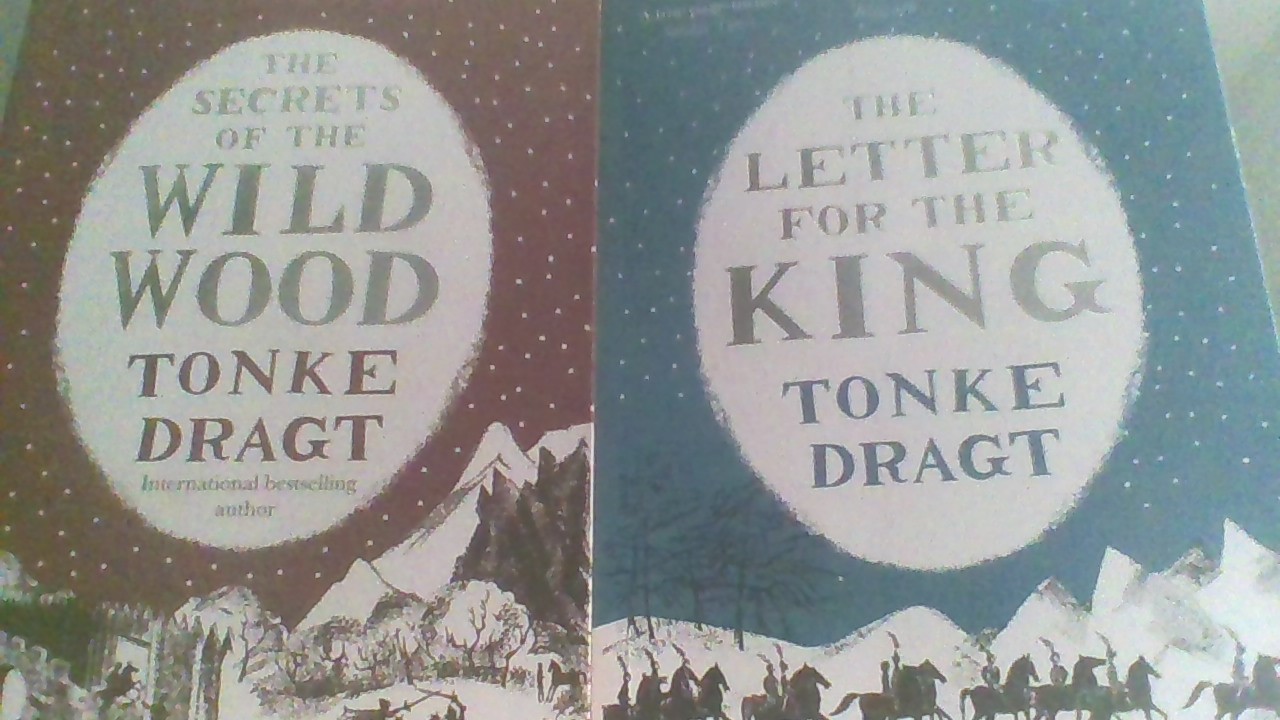
Medieval Flavored Fantasy: The Letter for the King

by Tonke Dragt. Publisher: Pushkin Children’s Books c 2017

Tonke Dragt’s “The Letter for the King” was first published in 1962, but readers of English had to wait until 2015 to get their hands on a translation of this splendid adventure story. Thanks to Pushkin Children’s books, ” The Letter for the King” and its sequel “The Secrets of the Wild Wood” are both available in fresh, attractive editions. They are fat books in which a young reader can dwell for a good length of time. The vocabulary is not difficult, and the story is divided into eight sections with short chapters that make it perfect to read aloud in a classroom. There are illustrations by the author at the start of each section. A map on the inside cover invites readers into this tale of two Kingdoms.

The story begins as five young men are keeping a vigil the night before they will become official Knights of King Dagonaut. They are to remain awake all night, without food or drink, and reflect on the task ahead. No one is allowed to enter their chamber, and the door must remain locked. Tiuri, son of highly respected Tiuri the Valiant, is the youngest at age sixteen. Daylight will be long in arriving and each of the young men know a knock on the door might tempt them to give up their chance at knighthood if they answer it. When a low voice at the window pleads, “In the name of God, open the door!” Tiuri’s mind is in turmoil. Can a knight pledged to defend and protect refuse to acknowledge a cry for help?

Tiuri accepts the responsibility of delivering an important and secret letter to a person known only as “The Black Knight with the White Shield”. The letter is meant to be delivered by the Black Knight to the king in the city of Unauwen, which lies on the other side of the Great Mountains. It should have been possible for Tiuri to put the letter in the correct hands and return by morning, but adventures never happen when things follow plans…

When I began to refresh my memory a bit with this book before writing my review, I got caught up in the story again. It really it is a page-turner! The author’s ability to create suspense will hold the reader completely. That is what I was looking for when I purchased this book with reluctant 7th grade boy readers in mind. Each of the challenges Tiuri faces, from traveling alone in strange places, to imprisonment in a castle, to loss of his companionable horse, are met with plenty of action. Helpful and honorable characters appear as well as a proper number of untrustworthy scoundrels. Tiuri bravely keeps his mission secret and wins respect from older, battle-tried knights. Yes, there are sword fights. These two richly satisfying books deserve a place in any royal banqueting hall or library serving Jr. High to Teen readers.

Tonke Dragt was born in Jakarta, Indonesia in 1930. When she was 12, her Dutch family began 3 years internment in a Japanese camp. She and a friend managed to produce her first book during that time. The family returned to the Netherlands after the war. The Letter for the King and its sequel have won awards and have had a loyal following in sixteen languages.

Favorite Baby Stories from Storytime (and one for bedtime)

Some of my former listeners are now parents themselves. This post is dedicated to them and the many happy readings we enjoyed together. Some of them might remember opening the magic cupboard to see what books were inside, or perhaps the moment a listener who was particularly attentive wore the Good Listener crown home. Here is a trio of their favorite stories featuring some unusual babies:

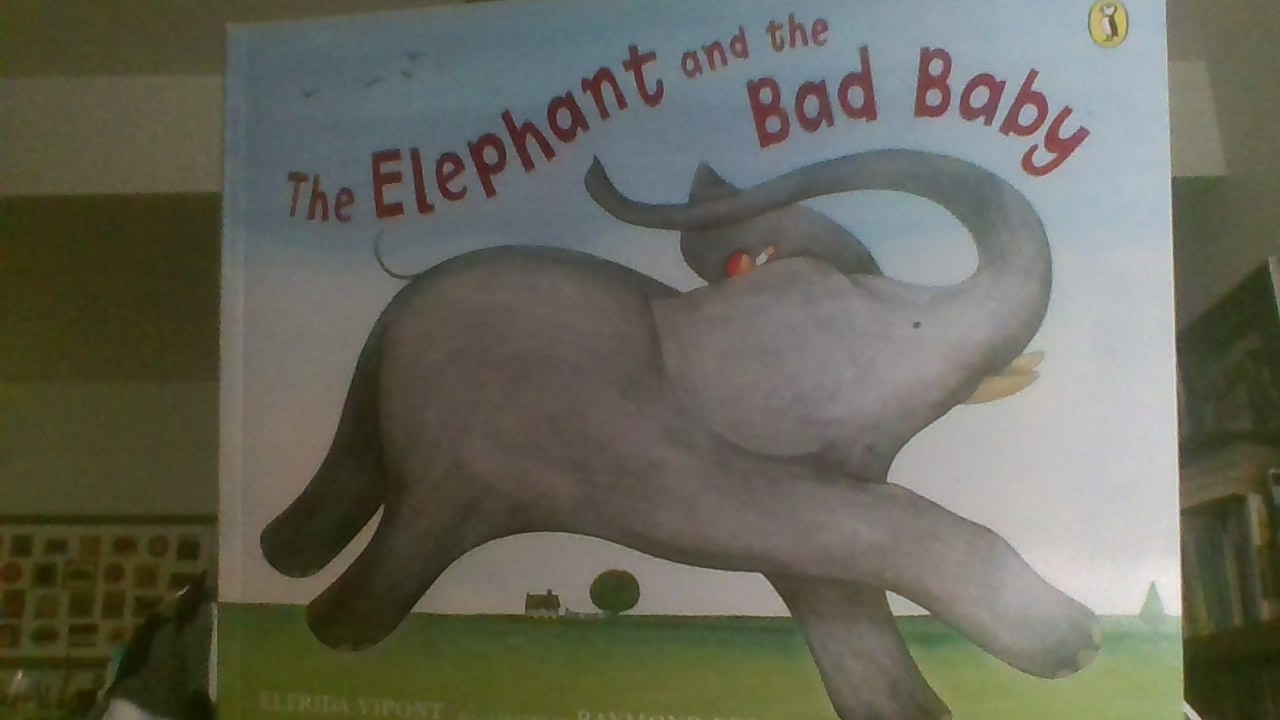
THE ELEPHANT AND THE BAD BABY by Elfrida Vipont with pictures by Raymond Briggs from Puffin Books

Once upon a time an elephant met a bad baby while taking a walk. When offered a ride, the bad baby said, Yes.” So begins a sneaky and wild romp as the elephant snatches various snacks from vendors, offers them to the baby, who always says yes, and nothing is legally purchased. A parade of angry people including the ice-cream-man, the grocer, the snack-bar-man, and others are soon running after the two who have not once said, “Please.” What will happen when the bad baby and all his his followers eventually meet up with his mommy?

One illustration shows a sly elephant trunk reaching for fruit from a cart, while the rest of his enormous bulk is hidden behind it. I read this to the kindergarten children, and toddlers will love it too. It has the predictable rhythm perfect for younger listeners. You will know illustrator Raymond Briggs from his marvelous wordless picture book “The Snowman”.

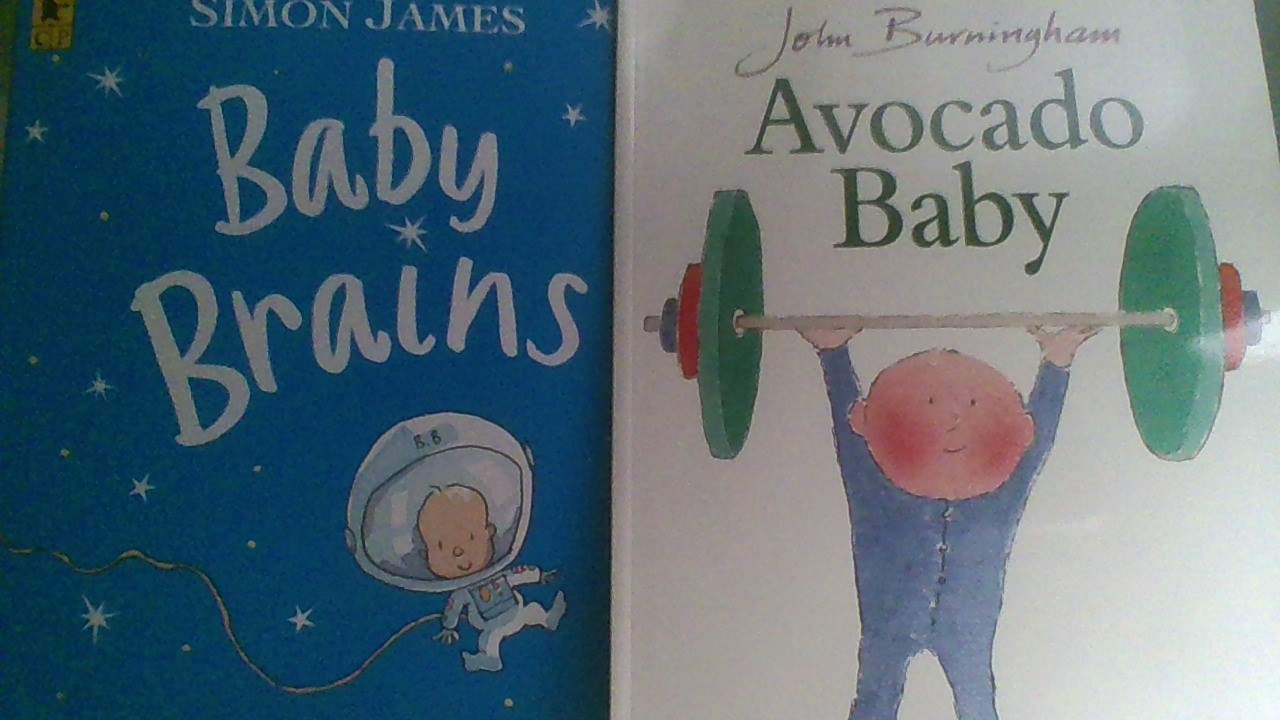
AVOCADO BABY by John Burningham, illustrations by the author Published by Random House Children’s Books

Mr. and Mrs. Hargraves and their two children cannot get the new baby to eat anything, and they are afraid it will turn out as weak as they all are. Things begin to improve when a mashed avocado is fed to the baby, and he likes it. Before you know it the baby is helping to carry in the groceries, move heavy furniture, and with each meal of avocado his strength increases. The Hargraves children have nothing to fear with Avocado Baby in the house, and perhaps outside as well….

One of my listeners gave avocadoes a try after we read this book. The idea of a baby with great strength was always incredibly funny to children sitting on the storytime carpet!

BABY BRAINS written and illustrated by Simon James Published by Candlewick Press

Mr. and Mrs. Brains took care to read aloud to their baby before he was born, turning up the news so baby Brains would be very smart from day one. When their baby was born, they were thrilled to bring home a new baby boy. “Sleep tight, Baby Brains,” his mother whispered as she put her baby to sleep in his brand new crib. The next morning she discovered Baby Brains sitting on the coach reading the morning paper. By evening Baby Brains was talking, and his first request was that he start school right away. News of this extraordinary baby brought an invitation for him to travel far from home. Will the parents accept and what is ahead for Baby Brains?

Baby Brains returns in two more books for his many fans. I shared this with second grade students and it kept their rapt attention to the gentle and sweet conclusion. Humor abounds in each detail of the illustrations which can be appreciated by readers of all ages.

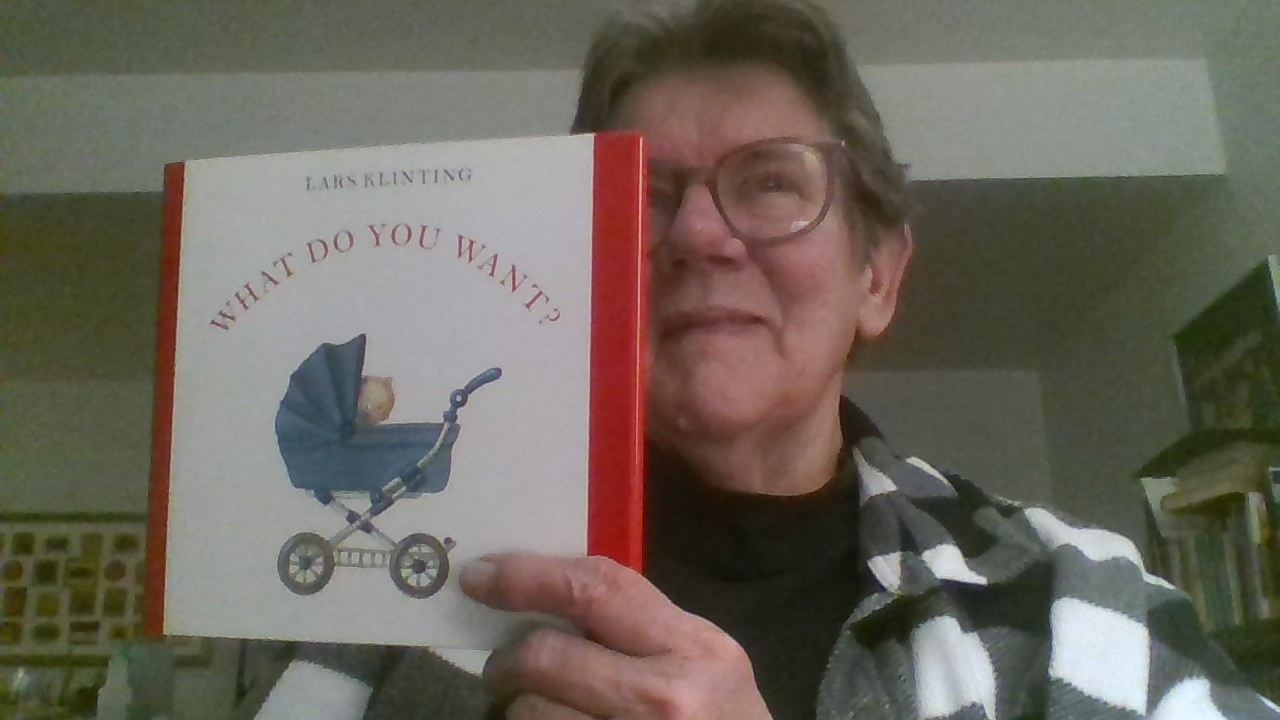
WHAT DO YOU WANT? Written and illustrated by Lars Klinting Published by Groundwood Books/ House of Anansi Press

The artwork in this very simple BEDTIME STORY is so appealing, you can’t help picking it up and sharing it with someone. A first page shows a rooster who wants…..flip the page and the answer is, his hen. A chair wants its table, a foot wants its shoe, and so on. Each object is clearly depicted with plenty of white space around it. This is available as a board book, so your toddler can have their own sturdy copy. It is all a first book should be, pages that reveal surprises, and a perfect pace down to the last picture of a pillow and its sleeping child.

Friendly, inadequate lighting photo of Miss Tobey